
What should you inspect before bringing secondhand furniture indoors?
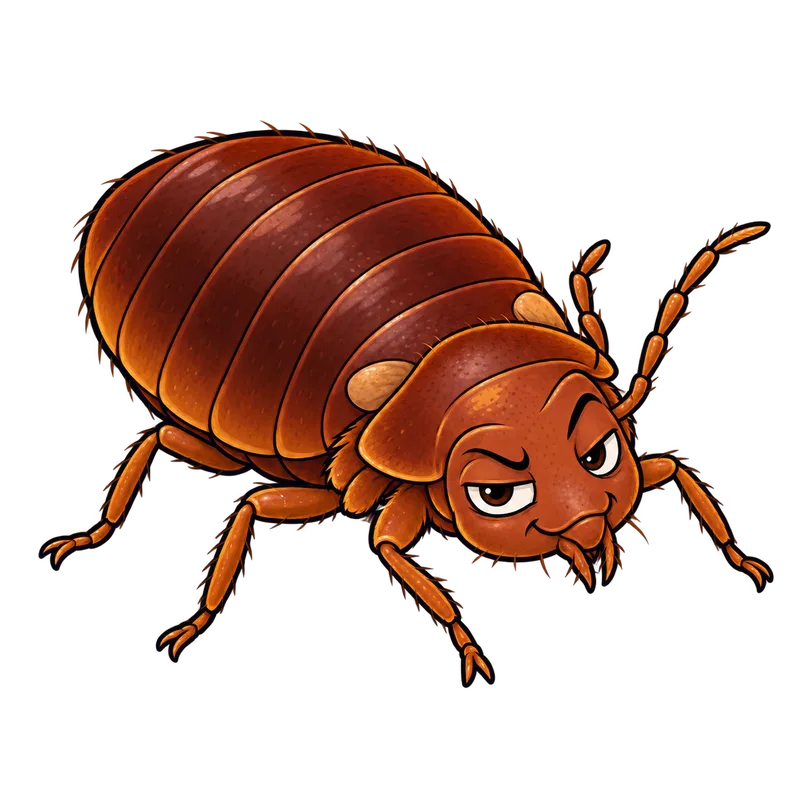
Before bringing secondhand furniture indoors, you need to conduct a thorough visual search of every single crevice, seam, joint, and dark void using a bright LED flashlight, a 10x magnifying glass, a flexible old credit card, and a damp white paper towel. Inspecting the piece while it is still outside helps you avoid accidentally inviting common bed bugs and other blood feeding pests into your living spaces.
What is actually going on
Picture this. You are driving through the neighborhood on a Saturday morning, and someone has left a remarkably handsome wooden dresser sitting right by the curb with a hand-lettered sign taped to the front. It is solid oak, the dovetail joints on the drawers are tight, and best of all, it is free. You load it into the back of your car, haul it inside, and slide it right into the bedroom. Within a month, you are waking up with itchy rows of red welts. Before you bring any secondhand furniture indoors, whether it is a curb find, a charity shop armchair, or an estate sale headboard, you need to conduct a thorough visual search of every single crevice, seam, joint, and dark void.
Secondhand seating, dressers, and mattress assemblies are the main ways people accidentally invite obligate blood-feeding pests like common bed bugs into their living spaces. These insects are exceptionally flat from top to bottom and hate bright light, which means they wedge themselves deep into tight structural gaps no wider than the thickness of a credit card. If you skip checking the piece while it is still outside, you are taking a major gamble with your home comfort.
How to tell for sure
Do not just glance at the surface and assume an item is clean because the wood gleams or the fabric smells like laundry detergent. You need a bright LED flashlight, a 10x magnifying glass, a flexible old credit card, and a damp white paper towel.
Start by moving the furniture to a well-lit, isolated exterior spot like a garage floor, a driveway, or a clean plastic tarp before it ever crosses your threshold. For upholstered sofas and recliners, take off every cushion and run your plastic card along the piping, zipper folds, and seams. Flip the piece upside down and look at the thin dust cover fabric on the underside. If there are holes or tears, shine your flashlight right into the interior wooden frame. For wooden dressers and nightstands, pull every single drawer completely out. Examine the rear outer corners, the drawer runners, and the screw holes.
You are usually looking for four specific signs of trouble: live insects that look like apple seeds, pearl-white oval eggs cemented into wood grain, papery tan shed skins, and dark brown or black fecal spots. When you spot suspicious dark specks, run the damp paper towel test. Dab the spot with moisture. If it dissolves and bleeds a reddish-brown hue, you are likely looking at digested blood excrement.
You also have to watch out for look-alikes. For instance, bat bugs look almost identical to common bed bugs, but they possess fringe hairs along the edge of their thoracic shield that are longer than the width of their eye. You usually need a magnifying glass to tell the difference. Mistaking bat bugs for common bed bugs is a frustrating error because treating your bedroom will not help if the real source is a colony of bats roosting in your chimney or attic.
What usually comes next
Once you finish looking over the piece, you have to decide what to do next based on what you found. If you spot live bugs, eggs, heavy spotting, or if the item came from somewhere completely unknown and you just cannot shake the feeling that it is risky, your best bet is to quarantine and treat it before letting it near your living areas, or simply walk away and leave it on the curb.
People often ask if they can just seal a piece of furniture inside a black plastic bag and leave it baking in the summer sun, or set off a bug bomb in the room with it. Skip those shortcuts. Black plastic bags rarely heat the core of dense furniture enough to kill anything, leaving plenty of bugs surviving in the cool interior. On top of that, aerosol bug sprays usually just scatter the insects deeper into hidden structural joints instead of killing them.
If you want to try heat treatment at home, bed bugs and their eggs cannot handle high temperatures for long, but reaching that exact heat deep inside a thick sofa cushion or a heavy wooden joint is nearly impossible without commercial thermal equipment. Encasements can protect items like box springs by locking existing pests inside and keeping new ones out, but they do nothing to solve an active infestation on a complicated piece of furniture.
When to get help
There are times when a quick home check and basic caution are simply not enough, and you need to bring in outside help. If your inspection reveals active evidence across multiple joints of a heavy piece of furniture that you cannot easily take apart or heat treat yourself, call a licensed pest control professional.
You should also reach out to an expert if you cannot tell whether the bugs you found are common bed bugs, bat bugs, or bird bugs, since the right treatment plan depends entirely on knowing the exact source. If you find large, cone-nosed bugs with reddish markings near outdoor or rustic furniture, do not touch them with your bare hands. These might be kissing bugs, which can carry the parasite responsible for Chagas disease. Use a gloved hand or a plastic bag to collect specimens if necessary.
If bites or skin reactions become severe, or if scratching leads to secondary skin infections, see a doctor or visit an urgent care clinic right away. Flashlights and magnifying glasses can show you what is hiding in furniture joints, but taking care of your health always requires medical expertise.