
How do you know whether a bed bug treatment needs follow-up monitoring?
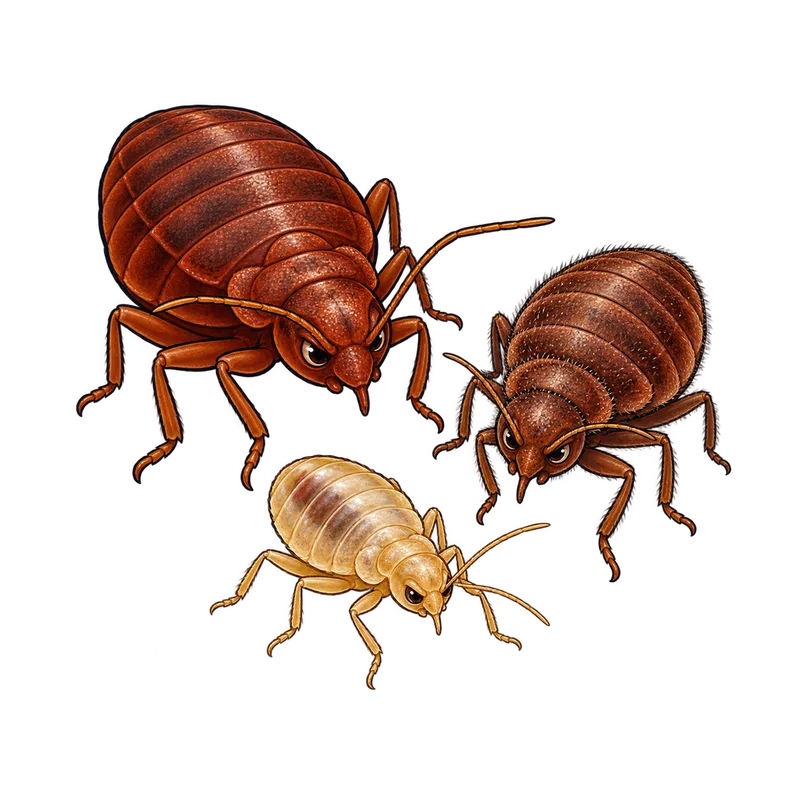
Virtually every bed bug treatment requires follow-up monitoring because insecticides usually do not kill unhatched eggs that hatch six to ten days later. To know for sure if you need monitoring, watch the calendar and use passive pitfall interceptors with checks scheduled for 10 to 14 days and again at 30 days post-treatment.
What is actually going on
You just paid a pest controller to treat your house, or maybe you spent your weekend wrestling with mattress covers and high-heat laundry cycles. You want to believe the nightmare is over. Then you find a bite on your arm, or you spot a tiny bug crawling near the baseboard, and your stomach drops. You start wondering if you threw your money away or if the bugs are mounting a comeback.
Here is the blunt reality. Virtually every bed bug treatment requires follow-up monitoring. Pest control professionals usually schedule these checks for 10 to 14 days and again at 30 days post-treatment. The main reason for this is biology, specifically the bed bug egg-hatch cycle. A female bed bug lays several eggs a day, and at normal room temperatures, those eggs hatch in about 6 to 10 days.
Most liquid chemical insecticides that professionals spray do not kill unhatched eggs, nor can they always reach eggs glued deep inside wall voids or mattress seams. A single chemical application mows down the active adults and nymphs crawling around at that exact moment, but it leaves behind an unhatched egg cohort. Those eggs hatch a week or two later, and suddenly you have a fresh batch of bugs ready to feed. Insecticide resistance adds to the problem, as many modern bed bug populations have built up a natural defense against common pyrethroid sprays, surviving contact that should have killed them.
How to tell for sure
You cannot rely on a quick glance around the room or a feeling that the bites have stopped to know if a treatment worked. Visual inspections miss a lot because these insects can squeeze into cracks as thin as a credit card edge. When a population is small or recovering from a treatment, a visual search often results in false negatives.
To tell for sure what is happening, you usually need a combination of physical traps and targeted checks. Passive pitfall interceptors, which are plastic dishes placed under the legs of beds and sofas, act like a tiny moat system. They use a textured outer wall that allows bugs to climb up and a slick interior coated in talc so the bugs fall in and cannot get back out. The design tells you a story based on where the insects land. Bugs trapped in the outer moat are crawling up from the floor, meaning you still have an active population in the room. Bugs in the center well originated from the bed frame itself.
You also have to watch the calendar. A first inspection at 10 to 14 days catches newly emerged nymphs before they can grow up and reproduce, which usually takes about a month. A final verification check at 30 days is typically required to certify that the structure is truly clear of live bugs, viable eggs, and fresh dark fecal spots.
What usually comes next
When you realize a single treatment is rarely a one-shot fix, you have to decide how to handle the next couple of weeks without panicking. The best practical step is to maintain your defenses and keep your sleeping space isolated. Pull your bed frame at least 6 inches away from the walls, make sure your sheets and blankets do not puddle on the floor, and keep those pitfall interceptors under every furniture leg.
If you are using zippered, bed bug-proof encasements on your mattress and box springs, leave them zipped up for at least a year and a half. This starves any insects or missed eggs trapped inside. Avoid the temptation to buy total-release foggers, often called bug bombs, from the hardware store. Entomologists and regulatory agencies consistently warn against them because the mists fail to penetrate deep harborages and instead drive surviving bugs deeper into your wall voids and into adjacent rooms.
When to get help
There are times when do-it-yourself vigilance or standard chemical treatments run into a wall and you need outside expertise. If you have done everything right and still find live insects after the second follow-up window, or if you live in a multi-family building where pests can easily migrate through shared walls and utility pipes, you need a licensed structural pest control operator.
You should also involve a professional if you suspect the insects might not be bed bugs at all. If an expert uses a microscope and discovers fringe hairs on the insect that are longer than the width of its eye, you are dealing with bat bugs rather than common bed bugs. Standard bedroom treatments will fail completely in that scenario because the real source is a bat roost in the attic or chimney that requires safe, legal exclusion.
Finally, if you or someone in your household suffers severe skin reactions, deep anxiety, or sleep deprivation from the ordeal, reach out to a primary care clinician or urgent care clinic for medical guidance. Keep in mind that medical professionals cannot diagnose bed bugs from a bite mark alone, but they can help treat secondary infections caused by scratching. Leave the chemical applications to licensed applicators who follow strict product label laws, and let wildlife control experts handle protected animals like bats when structural entries are involved.