
What should New York City apartment residents document after finding bed bugs?
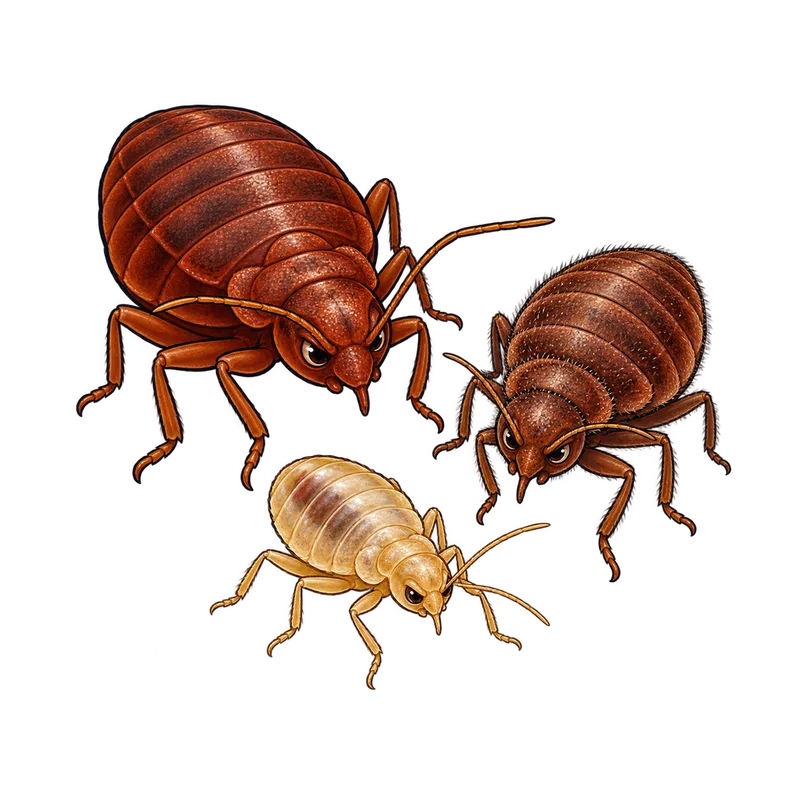
New York City apartment residents must document physical bed bugs by capturing the insects, taking scaled photos with a coin, testing suspicious dark spots with water, and keeping a dated log of every finding. Property managers require this hard evidence rather than panic or skin reactions to schedule building wide inspections and proper treatments.
What is actually going on
You wake up on a Tuesday morning in your Brooklyn walk-up, scratch a red welt on your arm, and instantly feel that cold drop in your stomach. Is it happening? You pull back the fitted sheet, check the mattress seams, and notice a few tiny dark specks you would have ignored yesterday. If you are renting an apartment in New York City, finding bed bugs is the kind of discovery that makes you want to pack your life into contractor bags and move to the woods. But before you start throwing away your furniture or scrubbing baseboards with bleach, you need to know what to document.
Landlords and housing authorities do not care about how panicked you feel, and they certainly do not accept itchy skin as proof. They operate on hard evidence. If you want a building-wide inspection and proper treatment, you have to build a small case file first. That means capturing physical bugs, taking scaled photos of where they live, testing suspicious dark spots with water, and keeping a dated log of every single finding before you send formal written notice to your property management.
Skipping these steps or relying on a doctor's note about bite marks gets you nowhere fast. Skin reactions vary wildly from person to person, and a solid portion of people bitten by bed bugs do not show any skin reaction at all. Initial bites can also take days to show up, which means a mark on your arm today tells you nothing about where or when you were actually exposed. Physical documentation is the only language property managers and pest professionals take seriously.
How to tell for sure
Identification always comes before control. You usually start by searching within an eight-foot radius of where you sleep or sit for long stretches, because these insects prefer to stay close to their resting hosts. Grab a high-powered flashlight and a magnifying glass, and check mattress piping, box spring corners, headboards, and the wooden joints of your bed frame.
An unfed adult bed bug looks remarkably like a small, flat apple seed or a dark lentil, measuring about five to seven millimeters long. If it has recently fed, it swells up and turns a darker, elongated reddish color. Nymphs, which are the younger versions, start out tiny and translucent, resembling a poppy seed or a grain of coarse salt. You might also spot their cast-off skins, which look like hollow, straw-colored ghosts of the insects, or tiny pearly-white eggs glued into tight crevices.
Do not confuse them with other household bugs. Carpet beetle larvae look fuzzy, German cockroach nymphs run fast and have long tails, and booklice are paler and prefer damp areas. If you find insects near an attic or ceiling line rather than a bed, you might be dealing with bat bugs instead of common bed bugs. Under a magnifying glass, bat bugs have longer hairs on their middle shield than bed bugs do.
If you find dark specks on your sheets or box spring, use a simple water test. Dab a spot with a damp cotton swab. Bed bug waste is made of digested blood, so it rehydrates and smears into a reddish-brown ring, whereas ordinary dirt or cockroach waste will not dissolve and bleed that way. Take clear, well-lit photos of what you find, placing a coin next to the insect or stain to show scale, and gently press a piece of clear adhesive tape over a live bug or shed skin to preserve it on a white card.
What usually comes next
Once you have your physical specimens, photos, and positive water tests, your next practical decision is to issue a formal written notice to your landlord or property management company. Do not rely on a hurried phone call to the superintendent while he is taking out the trash. Send an email or certified letter detailing the exact dates, room locations, and photographic evidence you gathered.
In a multi-unit apartment building, a single infested apartment is rarely an isolated island. Bed bugs travel easily through wall voids, electrical conduits, and pipe chases, meaning the source might actually be the unit next door or the apartment directly above you. When you present clear proof, you force management to bring in a licensed professional who can inspect the surrounding apartments rather than just spraying your unit and hoping for the best.
While you wait for management to act, keep your preparations sensible. Put your bed linens and clothes through a high-heat laundry cycle for thirty minutes, and seal clean items in heavy-duty plastic bags. Encase your mattress and box spring in a certified bed bug-proof cover and leave it zipped to trap anything inside. Never use total-release foggers, often called bug bombs, because the chemical mist only drives the insects deeper into wall voids and spreads them to your neighbors.
When to get help
There comes a point where DIY methods stop working and outside help becomes mandatory. All chemical treatments, heat remediation programs, and building-wide inspections must be carried out by a licensed pest management professional who understands local structural rules and product label laws. If your landlord drags their feet after receiving your written notice and evidence log, you should contact local housing preservation departments or tenant advocacy agencies to report the inaction.
If you or anyone in your household develops severe itching, signs of a secondary skin infection from scratching, or experiences a systemic allergic reaction, stop trying to manage the pest logistics and see a clinician right away. Pest technicians and landlords are not medical professionals and cannot diagnose bite reactions.
Finally, if your inspection reveals that your building has a co-infestation of bats or wild birds in the attic or wall voids, stop and call a certified wildlife control specialist. Many species of bats and birds are protected by state and federal laws, meaning you cannot legally harm, trap, or exclude them without proper permits. Let the professionals handle the wildlife side while management deals with the insects.