
When should you call a bed bug professional?
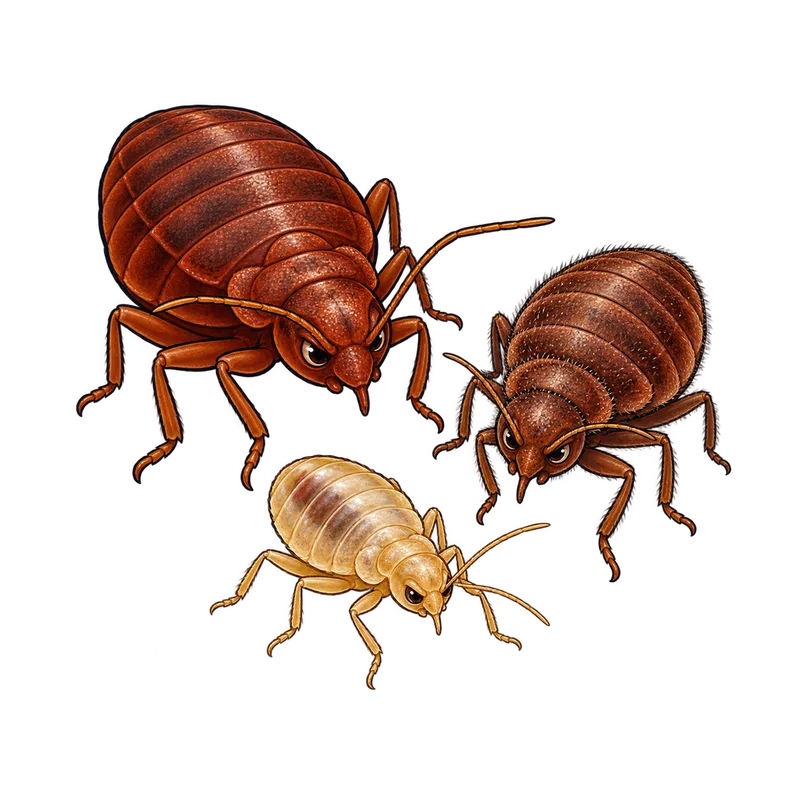
You should call a licensed pest management professional immediately upon confirming or strongly suspecting a bed bug infestation. This is especially important if you live in an apartment building, if you have tried do-it-yourself methods without success, or if you cannot figure out whether the bugs came from your bed or your attic.
What is actually going on
You wake up with a row of itchy red bumps on your arm, flip over the mattress seam, and spot a small, oval, reddish-brown bug crawling away like a slow ant. Panic usually sets in right about here, followed closely by a late-night internet spiral involving total-release foggers and throwing out your favorite nightstand. You want to know if you can handle this with a steam iron and a weekend of heavy scrubbing, or if it is time to hand the problem over to someone who does this for a living.
You should call a licensed pest management professional immediately upon confirming or strongly suspecting a bed bug infestation, especially if you live in an apartment building, if you have already tried do-it-yourself methods without success, or if you cannot figure out whether the bugs you are looking at came from your bed or your attic. Bed bugs are not an aesthetic failing or a sign of a dirty house. They are obligate blood-feeders drawn strictly to carbon dioxide and body heat, meaning a spotless luxury hotel room is just as welcoming to them as a cluttered guest room.
The biological reality is the main reason why do-it-yourself attempts so often stall out. Female bed bugs lay one to five eggs every single day, depositing them in tiny cracks and crevices as narrow as the thickness of a credit card. Those eggs have a natural defense against standard over-the-counter liquid sprays, and widespread genetic resistance means that routine store-bought pyrethroid insecticides usually bounce off modern bed bug populations without causing harm. When you use a total-release bug bomb, you generally just drive the bugs deeper into wall voids and electrical conduits, spreading the problem to rooms or apartments that were previously untouched.
How to tell for sure
Identification comes before any treatment, and you usually need to find physical proof rather than relying on bites alone. Between twenty and thirty percent of people show zero skin reaction to bed bug bites, and skin marks can easily come from dry air, laundry detergent, or entirely different household insects. A bite reaction cannot tell you what bit you. Instead, you want to look for the actual bugs, their cast skins, or their waste.
Adult common bed bugs measure about five to seven millimeters long, which is roughly the size of an apple seed or a lentil. First-instar nymphs, which are the freshly hatched babies, are about the size of a poppy seed and nearly translucent until they get their first blood meal. You might also spot tiny, pearl-white pinhead eggs or dark fecal spots along mattress piping and wooden headboard joints. If you press a damp paper towel against one of those dark spots and it smears red-brown like wet ink, you are usually looking at digested blood.
Sometimes, however, the bugs you find are not bed bugs at all. If you are spotting bugs crawling down upper walls, near ceiling coving, or close to a chimney, they are usually bat bugs or bird bugs that have wandered down from an attic or eave after their original wildlife hosts left. Under a high-magnification hand lens, an entomologist or experienced technician can check the fringe hairs on the side of the insect's pronotum, which is the shield-like segment right behind the head. If those fringe hairs are longer than the width of the insect's eye, you are dealing with bat bugs rather than true bed bugs. That distinction changes everything because spraying a bedroom mattress for bat bugs is a complete waste of time when the actual reservoir is a bat roost up in the wall void.
What usually comes next
When you decide to call in help, your first practical decision is choosing a licensed professional who relies on integrated pest management rather than just showing up with a can of generic spray. A qualified pest management professional will start with a thorough inspection of your living space, examining furniture seams, bed frames, baseboards, and surrounding electronics.
While you wait for the technician to arrive, you can take a few safe steps to keep the situation from spreading. You can gather your infested bed linens and clothing, seal them in plastic bags, and transfer them directly into a clothes dryer on high heat for at least thirty minutes, which kills all life stages on dry fabrics without needing a wash. You can also install certified, bite-proof zippered encasements over your mattress and box spring to trap any bugs inside where they eventually starve. If you want to isolate a sleeping area, pull your bed frame a few inches away from the walls, make sure no sheets or blankets touch the floor to act as a rope bridge, and place smooth-walled pitfall interceptor traps under each bed leg.
Do not tear apart your bedroom and drag unbagged mattresses down the hallway, as that is the fastest way to drop hitchhiking bugs across your entire home or apartment building. Leave your belongings where they are so the technician can trace the actual harborage paths during the inspection.
When to get help
You need to bring in a professional immediately if you live in a multi-family building, such as an apartment complex, condominium, hotel, or student dormitory. Bed bugs travel easily along utility chases and wall voids for over a hundred feet in a single night. In shared housing, professionals must follow contiguous unit inspections, evaluating every unit directly adjacent to, above, below, and across the hall from the confirmed infestation to track down hidden reservoirs.
You also need professional intervention if you have already spent two or three weeks running through home remedies, vacuuming, and laundering without stopping the bites. Stubborn infestations require heavy-duty strategies that belong strictly in trained hands, such as whole-room thermal remediation where industrial heating units raise the ambient temperature of a space to between one hundred eighteen and one hundred twenty-two degrees Fahrenheit for up to ninety minutes to kill every life stage including eggs in a single visit.
Call a professional right away if you suspect bat bugs or bird bugs linked to wildlife in your roof or chimney. Because bats and many migratory birds are strictly protected by federal and state wildlife laws, you cannot legally use lethal control on them. You need licensed wildlife handlers to perform safe exclusion using one-way eviction doors during the proper seasonal windows, followed by targeted dusting in the attic. Finally, if you find a large, cone-nosed bug outdoors or indoors in southern regions that resembles a kissing bug, do not touch it with bare hands. Capture it safely in a sealed container and submit it to a state public health agency or university extension service for proper verification.