
When is an inspected secondhand couch safe to bring home?
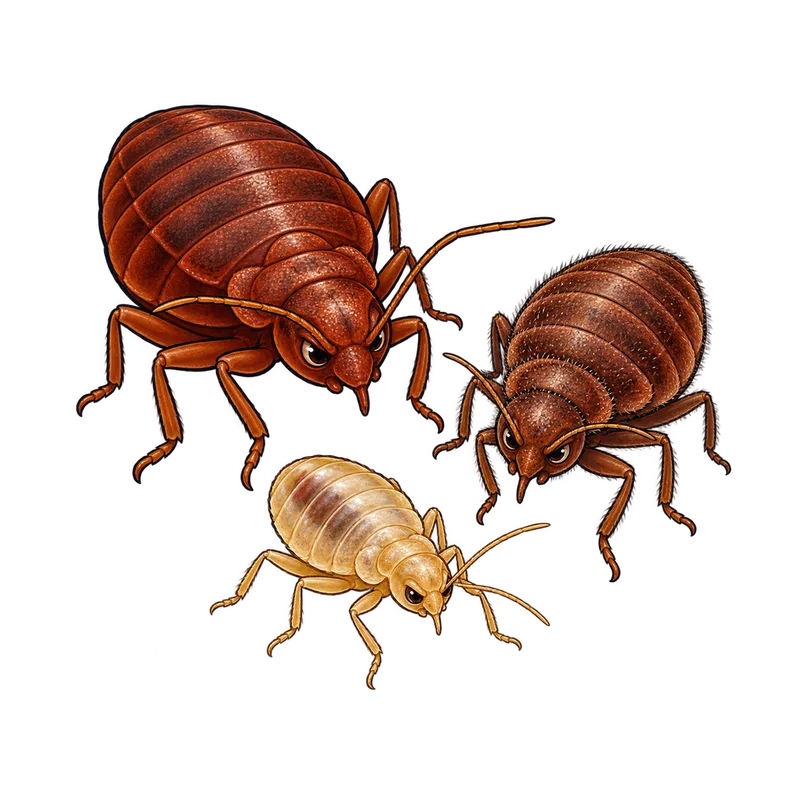
An inspected secondhand couch is safe to bring home only when a systematic physical examination of all seams, skirts, tufts, and internal frame voids reveals zero live insects, eggs, shed skins, or fecal spotting. Fully grown bed bugs are about the size of an apple seed, and their pearl white eggs look like tiny pinheads cemented into dark crevices.
What is actually going on
You spot a mid-century velvet sofa sitting on a neighbor's front lawn with a free sign taped to the armrest. It looks clean, the price is right, and you are already picturing it against your living room wall. Before you haul it up the stairs, take a deep breath. An inspected secondhand couch is safe to bring home only when a systematic visual and physical examination of all seams, skirts, tufts, zipper tracks, and internal wooden frame voids reveals zero live insects, eggs, shed skins, or fecal spotting.
The trouble with secondhand upholstered furniture is that common bed bugs are built to hide where human eyes rarely wander. These insects are about the size of an apple seed when fully grown, and their eggs look like tiny pearl-white pinheads cemented into dark crevices. If you can slide a plastic credit card into a gap on a couch, an entire bed bug family can comfortably hide inside it. They do not care about dirt or crumbs. They care about body heat and carbon dioxide, meaning a pristine luxury sofa from a high-end estate sale can harbor the exact same risks as a curbside find.
You might assume that if the previous owner never complained of itchy red bumps, the couch must be clean. Unfortunately, a large number of people show no visible skin reaction when bitten. A household can harbor a thriving population without anyone realizing a single insect is living in the fabric. Leaving the sofa in an unheated garage for a few weeks will not help either, because adult bugs and nymphs can survive for months without feeding, especially when indoor temperatures drop.
How to tell for sure
To know for sure whether a couch is clean, you have to get hands-on. Start by removing all loose cushions. Unzip the covers if they have them, and check the inner foam padding and zipper tracks. Run your fingers along every outer seam, piping cord, decorative button, and tuft. If the couch has a fabric skirt, lift it and check the folds underneath.
Next, flip the couch onto its back or end to expose the underside. This is usually where people stop, but it is not far enough. The single most important hiding zone is hidden behind the non-woven gauze dust cover stapled to the bottom of the frame. You will usually need to un-staple or carefully slit this fabric to shine a flashlight into the dark internal cavity. Examine the wooden support legs, corner braces, webbing, and spring joints.
Look for harborage artifacts rather than just waiting to spot a live bug. Bed bugs leave dark fecal spots that look like someone poked the wood or fabric repeatedly with a fine-tip black pen. To verify what you are looking at, dab one of those dark spots with a damp white paper towel or an alcohol wipe. If the mark dissolves and runs a rusty reddish-brown, you are looking at digested blood excrement. If you find strange insects that look vaguely like bed bugs but are roaming near a rural home with an attic bat roost, remember that bat bugs look nearly identical to the naked eye and usually require close magnification to tell apart by their fringe hairs.
What usually comes next
Once you finish your inspection and find zero evidence of pests, you still need to make a practical decision about how to transition the furniture into your living space. If you want to play it safe, implement a month-long isolation quarantine before letting the sofa anywhere near your main seating areas. Place the couch in a hard-surfaced room, a workshop, or a garage. Slide pitfall interceptor traps beneath every single leg, and pull the sofa at least six inches away from the surrounding walls so that no stray blankets touch the floor.
These interceptor traps feature a rough outer wall that lets crawling insects climb in and a slippery inner moat that prevents them from escaping. They act as passive barriers and highly sensitive detection tools. Check the moats weekly. If you prefer a chemical-free intervention before bringing the piece inside, you can hire a professional to run a whole-room or chamber heat treatment. The interior foam and wooden core must reach the correct high temperature and stay there for enough time to ensure complete mortality across every life stage, including unhatched eggs. Do not rely on black plastic trash bags left out in the sun, because while the top surface gets blistering hot, the thick core inside the cushions stays cool enough for pests to survive.
When to get help
There are moments when a do-it-yourself inspection simply is not enough and you need to call in reinforcements. If your inspection uncovers live insects, viable eggs, or extensive fecal spotting, stop what you are doing and involve a licensed pest management professional. The same goes for situations where an infestation has already spread beyond the furniture piece into baseboards, electrical outlets, carpeting, or adjoining apartment units.
If you live in a multifamily building like an apartment complex or a condominium, bringing an infested secondhand couch inside carries severe risks because bed bugs travel easily through wall voids, utility pipe penetrations, and shared hallways. Certified applicators have access to specialized commercial gear, such as high-temperature dry steamers and industrial thermal chambers, that can treat furniture safely without warping antique wood or melting internal frames. If you develop secondary skin infections from scratching persistent bites, consult a clinician or urgent care professional right away for proper medical evaluation.