
How do you get rid of bed bugs?
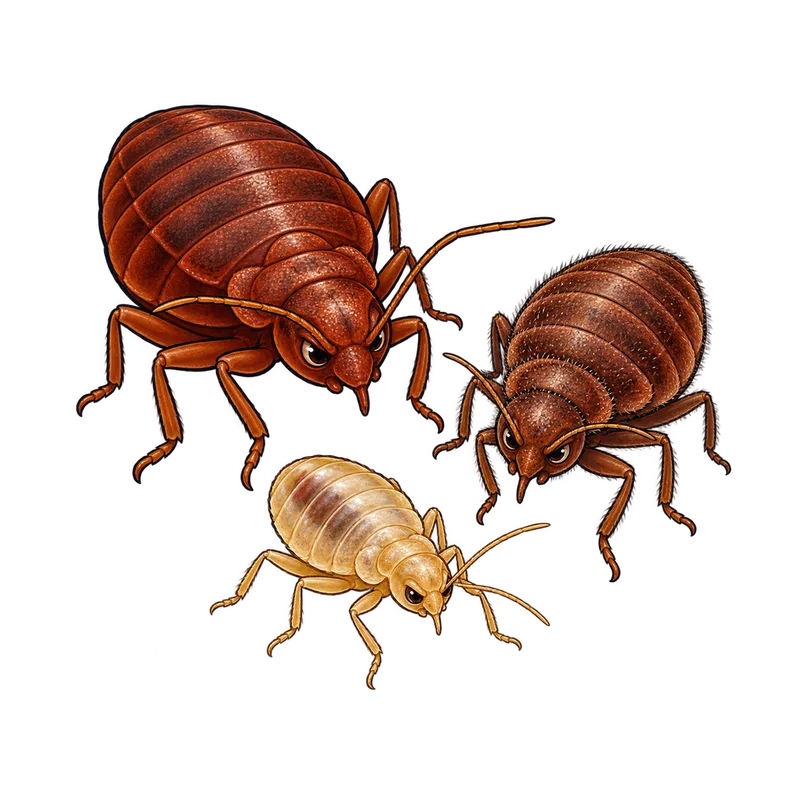
Getting rid of bed bugs requires treating the whole room ecosystem by isolating the bed, running laundry in a dryer on high heat for at least thirty minutes, and using targeted applications. The exact approach depends on whether you live in a single-family house where you can work alone or a multi-family building that requires coordinated treatments.
What is actually going on
You strip the sheets off the mattress on a quiet Tuesday morning and spot a cluster of tiny, rust-colored dots along the piping, or worse, a flat, oval insect the size of an apple seed crawling toward the headboard. Your stomach drops because you know exactly what that means. Getting rid of bed bugs is not something you solve by tossing out a single pillow or spraying a random aerosol can you found under the kitchen sink. It requires a complete shift in how you look at your bedroom furniture, your laundry routine, and the hidden cracks in your walls.
The reason these pests are notoriously hard to clear out comes down to basic biology. A female bed bug lays up to two eggs every single day in narrow structural crevices where standard spray nozzles cannot reach. Those eggs hatch in about a week, and the tiny nymphs immediately start searching for a blood meal before they can grow to the next stage. If you only kill the visible adults crawling on the surface, you are leaving behind hundreds of unhatched eggs that will simply emerge a few days later and start the cycle all over again.
Effective removal means treating the whole ecosystem of the room rather than hunting bugs one by one. You have to remove their hiding spots, trap the ones you cannot see, handle the laundry with high heat, and use targeted applications that do not just push the surviving insects deeper into your wall voids. It is a methodical process that demands patience and synchronization, not a quick weekend fix.
Before you buy a single product or tear your bedroom apart, you need to know what you are actually dealing with because misidentifying the pest ruins the whole plan. You usually start by looking for physical evidence rather than relying on skin bites alone, since reactions to bites vary wildly from person to person and often mimic fleas, spiders, or mosquitoes. Check the mattress seams, the wooden joints of the bed frame, and behind the headboard for small dark spots that look like fountain pen ink. If you press one of those spots with a damp cotton swab and it smears into a reddish-brown stain, you are usually looking at digested blood waste from bed bugs.
You also want to look closely at the bugs themselves, and sometimes that usually calls for a magnifying glass if you want to be certain. A common bed bug is wingless, reddish-brown, and flat unless it has recently fed. However, if your bed is positioned near an attic or a chimney, you might actually be dealing with bat bugs instead. These look almost identical to the naked eye, but a close look at the fringe hairs behind their head reveals whether they belong on humans or bats. If you have bat bugs, spraying your bedroom will usually fail because the real source is roosting wildlife in your roof void that needs to be excluded first.
How to tell for sure
Once you know you are dealing with bed bugs, you usually have to choose between calling a licensed professional immediately or trying a thorough do-it-yourself approach. If you live in an apartment building or a multi-family complex, that choice is usually taken out of your hands because treating your space while ignoring the neighbor next door almost always fails. Bed bugs crawl easily through shared wall voids and electrical lines, meaning a single-family house allows for DIY containment, while shared buildings require coordination across all units.
If you decide to handle a localized home infestation yourself, your first practical step is usually isolating the bed and dealing with soft fabrics. You pull the frame away from the walls so nothing touches the curtains, and you slide smooth plastic interceptor dishes under every leg of the bed frame. This turns your bed into an island where climbing insects get trapped in the slippery outer trench. From there, every sheet, blanket, and piece of clothing goes straight into a dryer on high heat for at least thirty minutes, which kills every life stage without needing harsh chemical washes.
What usually comes next
There are times when washing bedding and setting traps simply is not enough, and you need to hand the problem over to someone with heavy-duty equipment. You must call a licensed structural pest management professional if the infestation spans multiple rooms, if you live in a multi-family building where management coordination is legally required, or if basic physical controls and desiccant dusts fail to stop the biting after a couple of weeks. Professionals have access to whole-room thermal heat remediation units that raise core room temperatures high enough to kill every bug and egg hidden deep inside your walls in a single day.
When to get help
You also need to know when to step outside the realm of pest control and seek other kinds of assistance. If anyone in the home develops severe skin inflammation, spreading redness, or signs of an allergic reaction from excessive scratching, they need to see a clinician immediately to manage the bites safely. Similarly, if your investigation reveals bats or protected migratory birds nesting in your eaves or attic, do not attempt to remove them yourself. Federal wildlife laws protect those animals, and handling them incorrectly can expose you to serious diseases like rabies, meaning you must bring in a licensed wildlife control operator alongside your pest technician.