
How do you find bed bugs in a couch?
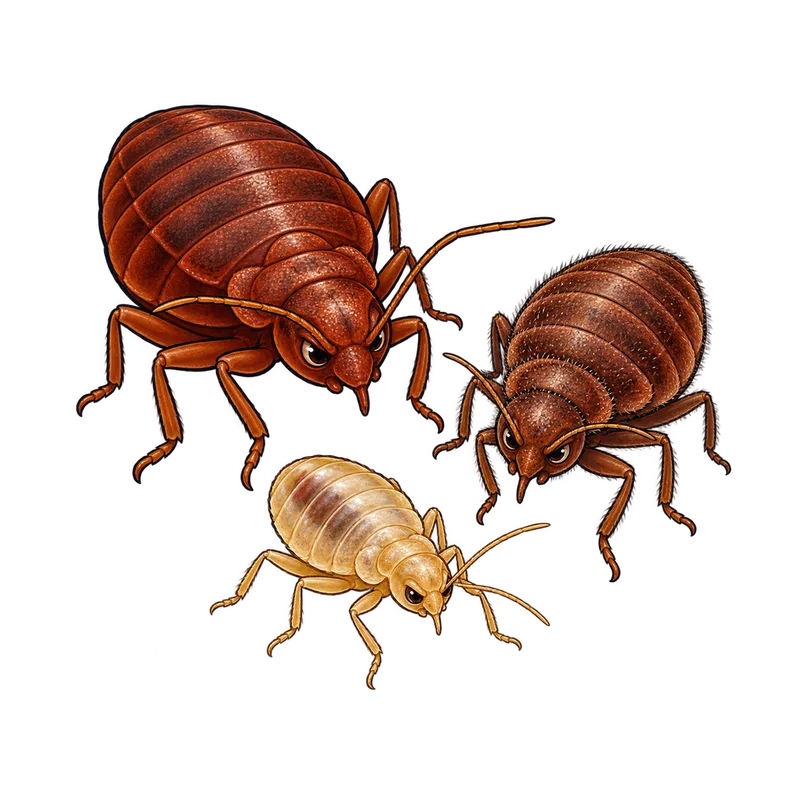
To find bed bugs in a couch, systematically inspect fabric seams, piping, tufts, and frame crevices using a high-intensity flashlight and a thin plastic card. You will be searching for live insects ranging from tiny translucent babies to brown adults the size of an apple seed, alongside shed skins, pearl-white eggs, and dark fecal spotting.
What is actually going on
You are sitting on the couch on a rainy Tuesday evening, watching television and absentmindedly scratching an itchy bump on your arm. Suddenly, a cold thought hits you. Could those bites be coming from the sofa itself? It sounds like a paranoid nightmare, but upholstered furniture gets plenty of use, which makes it a prime hiding spot for blood-feeding pests when they are not tucked away near a bed.
Finding bed bugs in a couch requires a systematic physical inspection using a high-intensity flashlight and a thin card along all fabric seams, piping, tufts, zipper folds, cushion joins, frame crevices, and the underside dust cover to identify live insects, cast nymphal skins, pearl-white eggs, or dark ink-like fecal spotting. Because these insects have remarkably flat bodies, they can squeeze into spaces as narrow as the thickness of a credit card. They do not build nests in the traditional sense, but rather gather in tight clusters where their bodies remain in constant contact with surrounding surfaces.
Couches are primary targets in living areas because people tend to remain stationary there for extended periods during the evening, giving the bugs a steady opportunity to feed. If an infestation takes hold, the insects stay hidden in the darkest, tightest structural cracks during the day and crawl out once the room goes quiet. Looking for them takes patience, a good light source, and a willingness to get down on the floor to examine parts of the furniture you usually ignore.
To check your couch properly, you usually want to gather a few simple tools before you start. Grab a bright flashlight, a thin plastic card like an old credit card to probe tight seams, and a magnifying glass if you have one. Start by removing all seat and back cushions. Examine all sides of each cushion, focusing closely on the perimeter piping, fabric seams, zippers, and manufacturer tags. Bed bugs love the dark crevices where the cushions meet the main sofa frame.
Next, inspect the flat fabric deck beneath the seat cushions, paying attention to button recesses and corner folds where everyday dust and crumbs accumulate. Then move on to the internal wooden frame and joints. Bed bugs usually prefer wood and fabric surfaces over smooth metal or polished plastic, so check wooden corner blocks, screw holes, and staple lines carefully. You should also tip the sofa onto its back to inspect the underside. Check the furniture legs and the thin non-woven fabric dust cover stapled to the bottom. If you see dark spotting along that staple line, the cover may need to be carefully removed to check the internal spring cavities.
How to tell for sure
During your search, you will be looking for four clear signs of trouble. You might spot live or dead bugs anywhere from tiny translucent babies to brown adults the size of an apple seed. Keep an eye out for tan, papery shed skins, tiny pearl-white sticky eggs, and dark brown fecal spots that stain porous fabrics. To make sure those dark marks are actually bug waste and not just ordinary dirt, dab the spot with a damp white paper towel. Because their waste is just digested blood, it usually dissolves and smears like wet dark ink. If you need to catch a specimen to show someone, press a piece of clear sticky tape over it and fold the tape closed, or gently brush the insect into a sealable plastic bag. Never crush suspected bugs with your bare hands.
What usually comes next
Once you find definitive proof of bed bugs in your couch, you have to decide whether to treat the furniture or get rid of it. Throwing the sofa away is usually unnecessary and often just spreads the infestation down the hallway as you haul it out. Instead, your best move is to strip away removable cushion covers and slipcovers, wash them in hot water, and tumble dry them on a high heat setting for at least thirty minutes. Dry heat alone at that temperature kills every life stage, including eggs. For non-washable fabric seams and crevices, a commercial dry steamer applied very slowly can kill bugs hiding deep in the material.
You can also install certified bed bug-proof zippered encasements over the main sofa frame and cushion bases to trap remaining insects inside where they eventually starve, while cutting off their favorite hiding spots for the future. Pull the couch a few inches away from the walls and place pitfall interceptor dishes under each leg to stop new bugs from climbing up or escaping. Avoid total-release foggers or bug bombs entirely, because aerosol propellants only scatter the insects deeper into your wall voids and adjacent rooms. If the couch is heavily infested or the bugs have spread to the surrounding baseboards and flooring, it is usually time to bring in a licensed professional.
When to get help
There are moments when a do-it-yourself approach stops making sense and you need to hand the problem over to someone else. You should call a licensed pest management professional when bed bug evidence is confirmed in multi-family housing like an apartment building, because infestations in shared structures frequently travel through wall voids and plumbing chases to neighboring units. A professional is also necessary when infestations have spread beyond the couch into walls and adjacent furniture, or when your own physical control efforts fail to achieve complete elimination.
If you are dealing with bites, remember that pest inspectors and writers cannot diagnose skin reactions, rashes, or medical symptoms. If you or someone in your household experiences severe itching, swelling, or signs of a secondary skin infection from scratching, you need to consult a licensed clinician or visit an urgent care center immediately. Finally, if your couch inspection reveals that the bugs entering your living space are actually bat bugs or bird bugs dropping down from the ceiling or chimney, you are dealing with protected wildlife. Bats and nesting migratory birds are protected under federal, state, and local conservation laws, meaning any wildlife exclusion or roost remediation must be performed by a licensed wildlife control professional in accordance with environmental regulations.