
How do you deal with bed bugs in a couch?
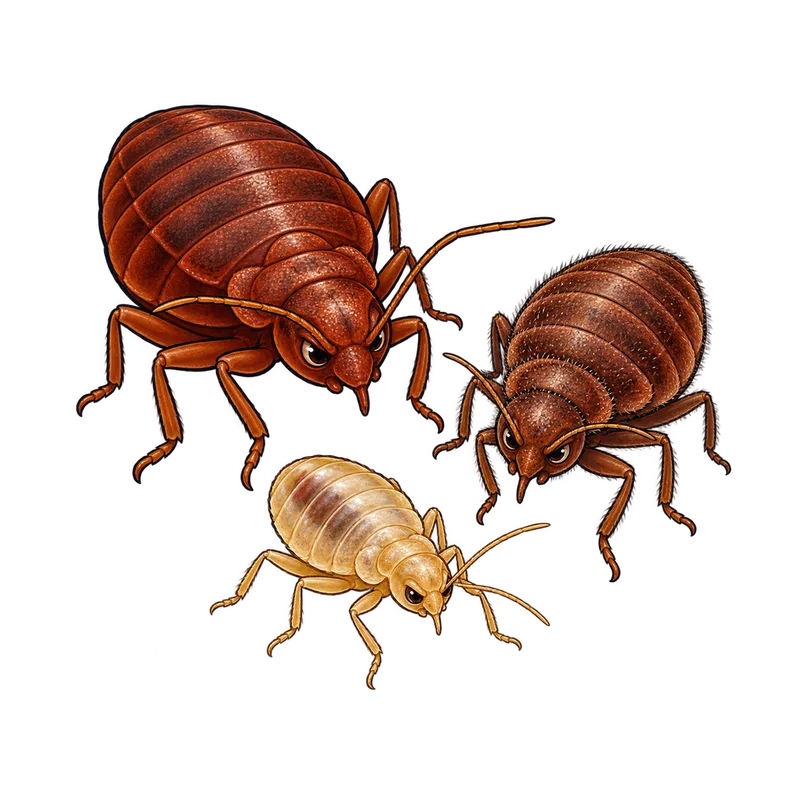
You can successfully treat bed bugs in a couch yourself using physical removal, heat, and barriers rather than throwing your furniture away. Vacuum every seam and joint, steam non-removable parts with a commercial dry steamer, wash removable covers in hot water, and install a zippered bed bug proof encasement.
What is actually going on
You are sitting on your favorite sofa on a quiet Tuesday evening, scrolling on your phone, when you notice an itchy red welt on your ankle. Then another. You lean down, peer into the crease between the cushion and the armrest, and spot a small, reddish-brown bug scuttling away from the light. Panic sets in immediately. Can you save your couch, or do you have to haul it out to the curb right now?
Dealing with bed bugs in a couch is entirely possible, and you usually do not have to throw your furniture away. Couches are actually prime real estate for these pests because humans sit in them for hours at a time, giving the bugs a steady meal ticket without forcing them to travel far. Because sofas have deep fabric folds, welted seams, wooden frames, and hidden dust covers underneath, they offer dozens of tiny, dark hideouts that protect insects and their eggs from casual glances.
The main reason people panic is that they think an infested couch is a lost cause. But dragging an unprotected sofa down the hallway and out of the house often makes things worse, as bugs and tiny eggs fall off along the way and spread the infestation into other rooms. Instead of surrendering your living room furniture to the trash collector, you need a methodical approach that relies on physical removal, heat, and barriers rather than a quick spray of a commercial can.
Before you start treating anything, you need to make sure you are actually looking at bed bugs and not some other uninvited guest. An adult bed bug usually looks like an apple seed or a lentil, measuring about 5 to 7 mm long, with a flat, oval, reddish-brown body. If it has recently fed, it swells up and looks a bit more elongated. Newly hatched nymphs are tiny, about the size of a poppy seed, and almost translucent until they get their first meal.
You should also look for the calling cards they leave behind. Check the fabric seams, buttons, and zippers for tiny dark spots that look like ink from a fine-point pen. If you dab one of those spots with a damp white paper towel, digested blood usually causes it to bleed out into a reddish-brown stain. You might also find shed exoskeletons that look like empty, ghost-like bug skins, or tiny pearly-white eggs tucked deep into the fabric weave.
There is one important mix-up to keep in mind, and that is the bat bug. They look almost identical to common bed bugs, but under a magnifying glass, their fringe hairs are longer than the width of their eyes, whereas bed bugs have much shorter hairs. If you live near an attic or chimney where bats roost, those bugs might wander down into your living space. Treating your couch for bed bugs will not fix a bat bug problem because you have to exclude the bats first.
How to tell for sure
Once you confirm you are dealing with bed bugs, your primary practical decision is whether to clean, isolate, and treat the couch yourself or call a professional right away. If you live in a detached home and caught the problem early, you can usually manage it with a thorough physical cleanup and a few specialized tools. If you live in an apartment building, however, your first move is to notify property management because pests easily crawl through shared wall voids and affect your neighbors.
For a standalone couch you plan to treat yourself, your best path forward is a strict, step-by-step physical routine. Clear a wide perimeter around the sofa, lay down a light-colored sheet to catch anything that drops, and remove all loose cushions. Take a narrow crevice wand on your vacuum and scrape it slowly along every single seam, tuft, and wooden joint. To keep bugs out of your vacuum, slip a nylon stocking inside the wand extension, tie it off, and throw it straight into an outdoor bin when you finish.
Next, you need to use heat. Take all removable cushion covers, slipcovers, and throw blankets straight to the laundry room, wash them in hot water, and tumble dry them on high heat for at least thirty minutes. For the non-removable parts of the sofa frame, a commercial dry steamer is your best friend. Pass the steam nozzle slowly along the fabric folds and wood joints, giving the heat enough time to penetrate and kill bugs and eggs on contact. Once everything is clean and completely dry, install a specialized, zippered bed bug proof encasement over the main sofa body and cushions to trap any survivors inside until they starve.
What usually comes next
There are moments when a do it yourself approach stops being practical and you need to bring in outside help. If you have tried vacuuming, steaming, and isolating your couch for a couple of weeks and you still see live bugs crawling around, it is time to call a licensed pest management professional. Professionals have access to thermal equipment, industrial heat chambers, and chemical rotations that handle resistant pest strains far better than over the counter sprays.
You should also contact a professional immediately if you live in a multi-unit apartment building. In those situations, treating just your couch is like bailing water out of a sinking boat with a teaspoon. Landlords and management companies usually coordinate building-wide inspections to check the apartments directly above, below, and beside yours.
When to get help
On the health side, if you develop severe skin swelling, blistering, or signs of a secondary bacterial infection from scratching your bites, consult a qualified healthcare provider right away. If anyone in your home accidentally gets exposed to a pesticide or swallows a chemical product, call your regional poison control center or emergency services immediately.