
How do you check a hotel room for bed bugs?
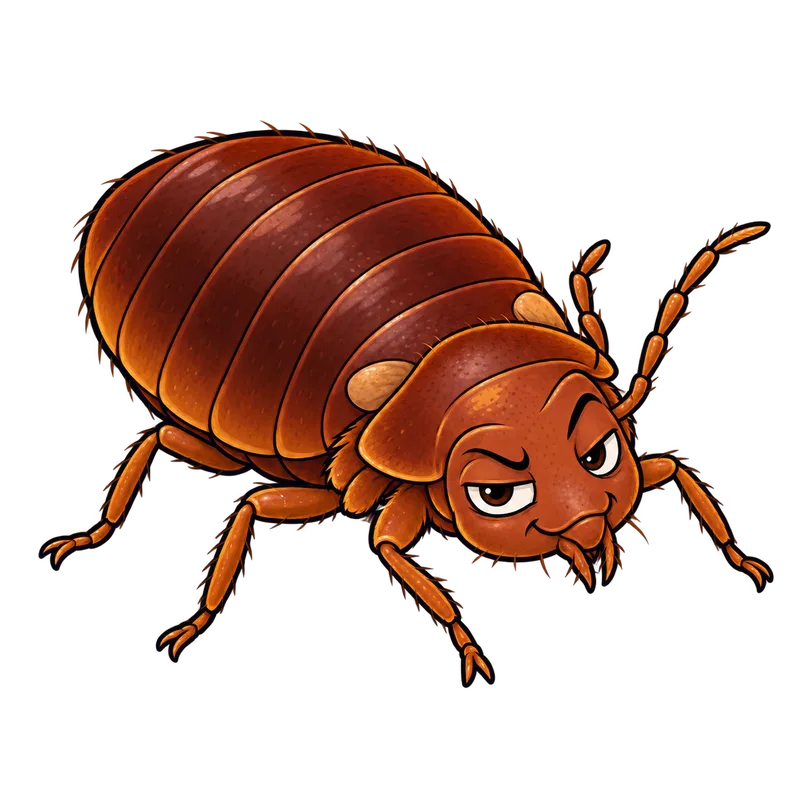
Checking a hotel room for bed bugs requires keeping your luggage on an elevated hard surface and doing a five minute visual inspection within an 8-foot radius of the bed. You should use a bright flashlight to search mattress piping, box spring joints, and behind wall-mounted headboards for live insects, pearly-white eggs, and dark fecal spots.
What is actually going on
You drop your suitcase on the hotel bed, kick off your shoes, and collapse onto the mattress after a six-hour drive. It is a completely natural move, but you might as well have rolled out a welcome mat for tiny, unwelcome guests. Checking a hotel room for bed bugs does not require a hazmat suit or an engineering degree. You just need a bright flashlight, about five minutes of patience, and a stubborn refusal to let your luggage touch the floor.
Checking a hotel room for bed bugs requires placing luggage on an elevated hard surface immediately upon entry, followed by a systematic visual inspection within an 8-foot radius of the sleeping area using an LED flashlight and card probe to look for live insects, pearly-white eggs, tan shed skins, and dark ink-like fecal spots along mattress piping, box spring joints, and behind wall-mounted headboards. Common bed bugs are nocturnal hitchhikers that naturally seek out tight, dark crevices as close to sleeping humans as possible. Because they travel in suitcases and clothing, your defense starts the second you walk through the door.
That first rule about your luggage is non-negotiable. Suitcases, backpacks, and coats should never go on the bed, the carpet, or upholstered armchairs. Instead, set your bags on a metal luggage rack, a hard desk, or right on the tile floor in the bathroom while you look the room over. Keeping your zippers closed until you clear the space stops a potential problem before it starts.
Once your bags are safely parked in the bathroom or on a rack, you can start the search within an 8-foot radius of the bed, which covers where the bugs usually hang out during a light or early infestation. Grab a high-intensity flashlight and hold it at a low angle to cast shadows across fabric seams. You can also use a thin plastic card to gently probe tight crevices where these insects love to wedge themselves.
How to tell for sure
You usually want to check the high-risk zones in a specific order. Start by pulling back the bedspread, duvet, and sheets to inspect the corners of the fitted sheet, mattress piping, tufts, and tags. Next, lift the mattress and examine the box spring. In commercial lodging, box spring joints and felt dust covers are major hideouts. Move on to the wooden or metal bed frame, checking every screw hole and joint. Finally, shine your light behind the wall-mounted headboard, which is documented as one of the primary establishment sites in hotel rooms.
If you spot tiny dark spots that look like ink splatters, you can perform the damp-cloth smear test. Dabbing bed bug fecal spotting with a wet cloth causes the digested blood excrement to dissolve and smear reddish-brown or black, whereas ordinary dust or cockroach frass does not run red. If you find an actual bug or a cast skin, secure it in a clear zip-top plastic bag or on a piece of clear tape. Field identification can get tricky without magnification, especially when ruling out look-alikes like bat bugs, which usually require 20x to 50x magnification to measure tiny hairs behind the head relative to their eye width.
What usually comes next
When your inspection turns up clear evidence of an infestation, your best practical decision is to request an immediate room transfer at the front desk. Make sure you ask for a room that is not directly adjacent to the infested space, meaning not right next door, directly above, or directly below, because bed bugs can travel through wall voids and electrical conduits.
Once you get home from any trip, your unpacking routine serves as your final safety net. Unpack your travel bags directly into the washing machine or drop your dry clothes straight into a clothes dryer on high heat above 120°F for at least 30 minutes, which kills all life stages instantly. For non-washable items or your luggage itself, sealing things in dark plastic trash bags and leaving them in a hot vehicle in the sun can achieve the same thermal decontamination.
When to get help
Bed bugs do not transmit human disease pathogens, but bite reactions can still cause intense itching, secondary bacterial skin infections from scratching, and severe anxiety or sleeplessness. Between 20% and 30% of human hosts show no visible skin reaction to bites at all, meaning you cannot rely on itchy marks to tell whether a room is safe. If you or a travel companion experience severe skin reactions, systemic allergic responses, or signs of a secondary infection, you need to consult a qualified clinician, urgent care facility, or poison control center.
When dealing with a persistent infestation at home, remember that total-release foggers or bug bombs are notoriously ineffective and usually just cause the insects to scatter deeper into wall voids and adjacent rooms. If an infestation gets out of hand, leave the chemical treatments to a licensed professional who understands local pesticide regulations and safety limits. Similarly, if your inspection reveals bat bugs or swallow bugs instead of common bed bugs, the underlying source is usually a wild animal roost in an attic or chimney. Because bats and migratory birds are protected under federal and state conservation laws, removing them requires a licensed wildlife professional rather than a standard pest control spray.