
What is a bed bug mattress encasement?
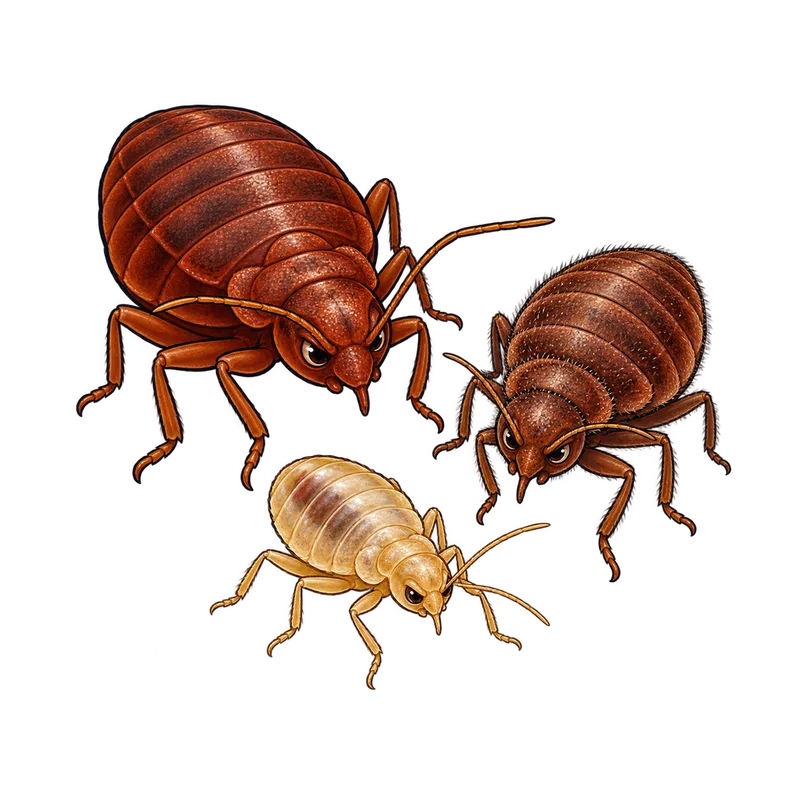
A bed bug mattress encasement is a specialized, bite-proof protective cover that completely wraps around your mattress or box spring on all six sides. It uses an escape-proof zipper system to trap any pests already inside and stop new bugs from getting in, eventually starving them out.
What is actually going on
You strip the sheets off the bed on laundry day, ready to wash away the week, and notice a few tiny, dark spots near the corner of the mattress seam. Panic usually follows right about then. If someone suggested buying a bed bug mattress encasement, you might picture a basic plastic sheet that turns your bed into a noisy, sweaty slipcover. That misses the mark completely.
A bed bug mattress encasement is a specialized, bite-proof protective cover that completely wraps around your mattress or box spring on all six sides. Unlike a standard fitted sheet or a five-sided allergy cover that leaves the bottom exposed, a true encasement seals the entire volume of the bed inside a continuous textile or polymer barrier. It uses an escape-proof zipper system designed to keep microscopic pests from getting in or out.
Why go to all that trouble? When bed bugs take up residence, they love to pack themselves into the hidden folds, tufts, and interior springs of a mattress or box spring. Encasing the bed traps any bugs and eggs already inside, cutting them off from their human blood supply. Because bed bugs cannot survive without feeding, the trapped insects eventually perish. At the same time, the smooth surface of the cover eliminates deep hiding spots and makes it much easier to spot new activity during regular checkups.
Do not expect this cover to act like a magic shield against every bug in the room, though. An encasement is a passive physical barrier. It locks what is inside and stops new bugs from moving into the mattress fabric, but it does not kill insects crawling around on the floor or hiding in your nightstand. Think of it as putting the mattress into a secure vault while the rest of the bedroom still needs attention.
Bed bugs possess flattened bodies that let them squeeze into any gap as narrow as the edge of a credit card. When an infested mattress or box spring is sealed inside an encasement, every single seam, tuft, and internal wire is locked away from the outside world. The bugs trapped inside are completely cut off from their host. Because they are obligate blood-feeders, nymphs cannot acquire the meals required to grow through their developmental stages, and females cannot lay viable eggs. Over time, the trapped population dies of starvation and dehydration inside what is essentially a microscopic vault.
Material choice matters quite a bit for how this system performs in daily life. Inexpensive vinyl covers are waterproof and cheap, but they tend to trap heat, make noise when you move, and easily tear on sharp frame corners. Woven fabric covers bonded to a breathable polyurethane membrane cost more, but they are quiet, comfortable, and much more durable. If there is even a tiny needle-point gap left at the zipper end-stop, a newly hatched nymph the size of a poppy seed can crawl right through, which is why quality covers include locking tabs or velcro flaps to seal the track securely.
How to tell for sure
Before you spend money on heavy-duty protective gear, you usually want to confirm you are dealing with bed bugs rather than another nuisance. Bed bugs move through distinct life stages, and their size changes significantly as they grow. An unhatched egg is roughly the size of a pinhead. A newly hatched nymph is about as tiny as a poppy seed. An unfed adult looks very much like an apple seed, while a fully fed adult swells up to the shape and size of a cooked grain of rice.
If you are inspecting a mattress, check the seams and piping with care. You are typically looking for live insects, tiny translucent shed skins left behind during molting, or dark ink-like fecal spotting that smears if you dampen it. Do not rely on bite marks alone to confirm an infestation. Skin reactions differ wildly from person to person. Around twenty to thirty percent of people bitten by bed bugs show zero visible skin reaction at all, whereas others develop very itchy red welts. Because bites can easily mimic mosquitoes or other household pests, physical evidence on the bed is what you actually need to find.
Take a close look at the insects you find, as well. If the bugs crawling about resemble bed bugs but you live near an attic or a chimney, you might actually be dealing with bat bugs or bird bugs that wandered inside looking for their usual animal hosts. True bed bugs prefer human hosts, while their close relatives require professional wildlife exclusion to resolve the underlying cause.
What usually comes next
Once you decide to use an encasement, your first practical choice is figuring out which part of the bed to cover first if you cannot afford both right away. Most people assume the mattress is the priority because that is where you sleep. Experienced pest control guidelines actually point the opposite way: encase the box spring first. Box springs contain raw wooden frames, stapled fabric dust covers, and complex interior spring matrices that offer hundreds of inaccessible hiding spots. A mattress is comparatively flat and easy to inspect, making the box spring the more dangerous harborage.
When shopping, read the packaging carefully to ensure the product is explicitly tested and rated as bed bug proof, rather than just an ordinary dust mite or allergy protector. Putting the cover on usually takes two people to avoid ripping the material against sharp wooden corners or metal bed frames. Once zipped completely shut, make sure the zipper is secured underneath its velcro flap or locking mechanism so there is no tiny gap left at the end.
An encasement must usually stay sealed continuously for a minimum of eighteen months to make certain that any trapped bugs and their hardy eggs have entirely died out from starvation. Unzipping the cover early to check inside breaks the seal and defeats the whole purpose. Pair the encasement with the bed as an island method by pulling your bed frame a few inches away from the walls, keeping blankets off the floor, and sliding interceptor cups under each leg to catch wandering pests.
When to get help
There are times when a do-it-yourself approach is simply not enough, and recognizing those limits keeps a minor issue from turning into a massive headache. If you live in an apartment or multi-family housing complex, an isolated infestation in one bedroom can easily spread through electrical conduits and wall voids to neighboring units. Treating your own bed while ignoring the rest of the building usually leads to a fast reinfestation. Property management and professional building-wide coordination are necessary in those settings.
Health concerns also call for outside assistance. If severe scratching leads to broken skin, secondary infections, or intense allergic reactions, visit a clinician or urgent care professional for proper treatment. While bed bugs do not transmit human pathogens, the physical distress and loss of sleep can take a heavy toll.
Leave the heavy treatments to the professionals when insecticides are involved. Never apply liquid sprays directly to mattress sleeping surfaces unless the product label explicitly states it is safe for that exact use. If you discover bat bugs or bird bugs tied to an active wildlife presence in your roof or attic, handling those animals requires a licensed wildlife control agency due to legal protections for bats and migratory birds.