
How do you deal with bed bugs in an apartment?
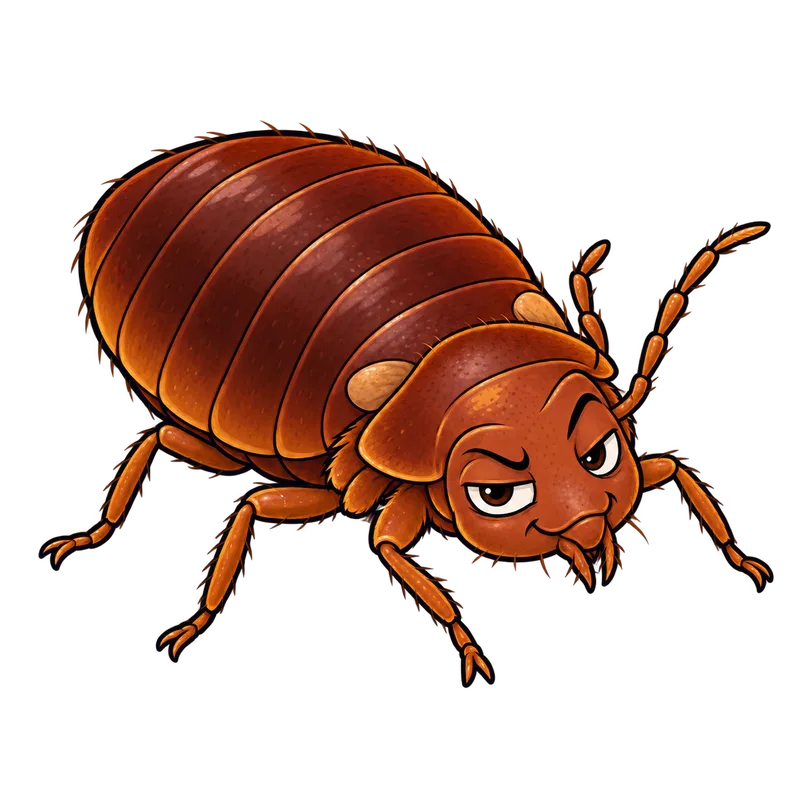
Dealing with bed bugs in an apartment requires immediate written notification to your property management so they can coordinate a professional inspection and treatment of every adjoining unit. You must skip retail bug sprays and instead focus on preparation, containment, and cooperation with building experts.
What is actually going on
You turn on the bedside lamp at two in the morning, scratch an itchy welt on your arm, and spot a small, oval-shaped brown bug scurrying across your white fitted sheet toward the headboard. Your stomach drops because you know immediately what it is, and worse, you live on the third floor of an apartment building. Dealing with bed bugs in an apartment is entirely different from tackling them in a detached single-family house because your living space is connected to a shared structural network of wall voids, electrical conduits, and plumbing chases that act like an interstate highway system for crawling insects.
If you treat only your own apartment while ignoring the units immediately touching yours, you are essentially bailing water out of a sinking boat with a teaspoon. Bed bugs can easily wander through gaps around baseboards or utility lines to shelter in an adjoining bedroom, only to return once the coast is clear. Eradicating them in a multi-unit building requires immediate written notification to your property management so they can coordinate a professional inspection not just of your apartment, but of every single adjoining unit sharing a wall, floor, ceiling, or hallway with you.
Management needs to schedule a licensed pest management professional to survey the affected zones within a day or two. At the same time, you have to shift your mindset away from quick fixes like retail bug sprays or total-release foggers. Those aerosol bombs are notoriously useless against bed bugs, as the mist merely settles on open horizontal surfaces and fails to penetrate the deep mattress seams or wall cracks where the bugs hide. Worse yet, the irritating chemical vapors drive the insects into a panic, scattering them deeper into wall voids and pushing them right through the outlets into your neighbor's apartment.
Successful apartment remediation relies on an integrated strategy combining physical barriers, targeted non-chemical tools, and professional treatments that bypass the widespread chemical resistance found in modern field populations. Standard pyrethroid sprays that used to knock insects down decades ago often fail today because bed bugs have developed genetic knockdown resistance. Your role centers on preparation, containment, and cooperation with building management, while the experts deploy modern non-repellent residual materials, insect growth regulators, or whole-room thermal treatments that can reach every hidden harborage at once.
Before you start tearing your bedroom apart, you usually want to confirm you are actually dealing with bed bugs rather than bat bugs, fleas, or carpet beetle larvae. You can visualize their size by comparing them to common kitchen items as they grow through their life stages. Eggs resemble tiny pinheads or specks of coarse salt, first-instar nymphs look like tiny poppy seeds, mid-stage nymphs resemble sesame seeds, and unfed adults are roughly the size and shape of an apple seed. Once an adult has taken a full meal, it can swell up to the length and shape of a cooked grain of long rice, but no life stage ever exceeds that scale.
You will usually find the highest concentration of bugs, shed skins, and pearlescent white eggs tucked away in primary harborage zones, which account for up to eighty percent of the population. Check mattress tufts, piping seams, the interior wood joints of box springs, and the screw holes of wooden bed frames or attached headboards. In heavier infestations, they disperse into secondary spots like baseboard gaps, carpet tack strips, behind electrical outlet faceplates, and inside the frames of hanging picture frames or alarm clocks.
One of the most reliable diagnostic clues is spotting dark fecal stains on your sheets or mattress edge. You can test these suspect marks using a simple fountain pen ink test. Take a damp paper towel and touch a black dot, and if it bleeds or smears a distinctive reddish-brown blood pigment, you are looking at digested blood residue rather than dry, solid cockroach droppings.
If you live in a building with an attic, a shared chimney, or a history of roosting wildlife, you might actually be dealing with bat bugs instead of common bed bugs. They look nearly identical to the naked eye, but telling them apart requires professional microscopic identification. A specialist needs twenty to fifty times magnification under a stereoscope to measure the fringe hairs on the thoracic shield right behind the head against the width of the insect eye. If those hairs are shorter than the width of the eye, it is usually a common bed bug, but if they are equal to or longer than the eye width, it is a bat bug, which completely changes how management must handle the source of the infestation.
How to tell for sure
Once you have reported the issue to management and confirmed the pest, your most important practical decision is choosing how to prep your personal belongings without spreading the insects further down the hallway. You should never drag unsealed, infested furniture or mattresses down public corridors because you will leave a trail of dropping eggs and crawling bugs for the rest of the building. Instead, keep your furniture in place and turn your bed into an isolated island that bugs cannot scale.
Pull your bed frame at least six inches away from the walls, nightstands, and any hanging drapes so that nothing touches the surrounding surfaces. Tuck your blankets and sheets up tightly so they never dangle down to brush the floor, and place each bed leg inside a dish-shaped pitfall interceptor cup. These monitors feature slick interior walls that act like a smooth castle moat, trapping any wandering bug that tries to climb up from the floor or escape down from the mattress.
Next, you need to deal with the soft goods and clothing scattered around the bedroom. Wash your linens, curtains, and wearable garments in hot water, or skip the washing machine entirely and toss dry, infested items straight into a clothes dryer on high heat for at least thirty minutes. That heat level achieves complete mortality for both live bugs and hidden eggs. As soon as those items finish drying, pack them tightly into heavy-duty, sealed plastic contractor bags and keep them zipped shut until the treatment process is entirely finished.
Finally, buy certified, bite-proof zippered encasements for both your mattress and box spring. These specialized fabric covers trap any surviving bugs securely inside, starving them out over time while preventing new bugs from nesting in the complex internal springs. They also create a smooth exterior surface that makes routine visual inspections much easier for you and your pest control technician.
What usually comes next
In any multi-unit apartment building, attempting a do-it-yourself chemical eradication is a losing battle that inevitably drags out the suffering of everyone living nearby. Professional intervention is mandatory for all apartment complexes, widespread structural infestations, and situations where chemical resistance or bat bug wildlife exclusion comes into play. Landlords and property managers are legally and operationally responsible for coordinating professional pest management services across the entire affected cluster of apartments to ensure hidden reservoirs are wiped out simultaneously.
When to get help
On the health side, bed bug bites typically cause intense itching, red welts, and swollen papules, but skin reactions vary wildly from person to person. Roughly twenty to thirty percent of people show no visible skin reaction at all, while others experience delayed welts appearing days later. Excessive scratching can break the skin barrier and introduce secondary bacterial skin infections, and the relentless stress can lead to severe sleep deprivation and anxiety. Pest information materials cannot diagnose medical conditions or prescribe treatments, so if you experience severe allergic reactions, spreading redness, or signs of an infected bite, you must consult a primary care physician, urgent care clinic, or dermatologist immediately.