
What should you check when you find bed bug eggs on a bed?
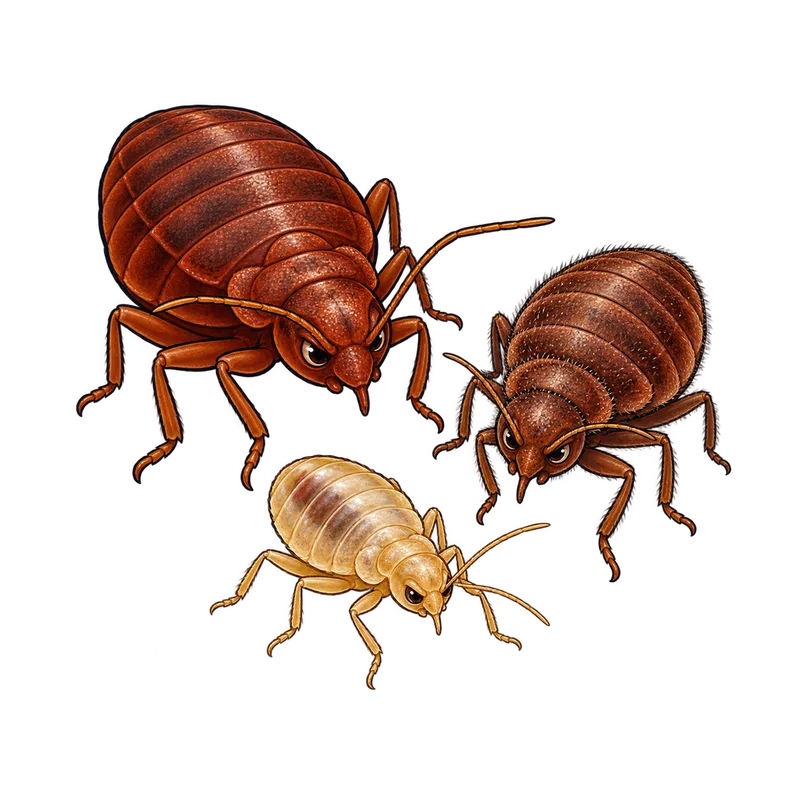
Finding bed bug eggs on your bed means the bugs are living and breeding there. You need to check whether the eggs are viable or hatched, where the rest of the colony is hiding, and how far the problem has spread beyond the mattress.
What is actually going on
You strip the sheets on a Saturday morning, and there, tucked into the piping along the edge of the mattress, sits a tiny cluster of pale specks. They look like grains of coarse salt, except they do not brush away. Your stomach drops a little, because you already suspect what they are.
Here is the short answer: finding bed bug eggs on your bed means the bugs are not passing through, they are living and breeding there, and you need to check three things. First, whether the eggs are still viable or already hatched. Second, where the rest of the colony is hiding, because eggs never show up alone. Third, how far the problem has spread beyond the mattress, because it almost always spreads.
A bed bug egg is about 1 mm long, roughly a pinhead, pearl-white and slightly elongated. When the female lays it, she coats it in a sticky cement that glues it to fabric, wood or metal, which is why the specks do not flick off like lint. That stubbornness is actually your first clue that you are looking at eggs and not debris. And where there are eggs, there is at least one mature, well-fed female behind them. A healthy female lays one to five eggs a day, so a modest cluster today becomes a crowd within a couple of weeks if nobody interrupts the schedule.
One more thing worth knowing before you finish your coffee: eggs usually hatch in about 6 to 10 days at normal room temperature. This is not a situation you can think over for a month. The clock is genuinely ticking, which is less dramatic than it sounds and more urgent than most people assume.
How to tell for sure
So what are you actually looking at? Start with the eggs themselves. A viable egg looks pearly and plump, and after about five days of development you can usually make out two tiny dark red dots inside, the eyes of the nymph forming in there. A flashlight held at a low angle helps. An egg that has already hatched looks different: duller, more translucent, with a little open cap at one end, like a tiny jar with the lid popped off. Empty husks mean bugs have already emerged. Intact pearly ones mean more are coming. Most infested beds hold both.
Then check the neighborhood, because eggs are never the whole picture. Adults are flat, oval and mahogany-brown, about the size of an apple seed. Young nymphs are straw-colored and as small as a poppy seed, which is why a cheap magnifier earns its keep here. You will usually also find shed skins, thin tan shells left behind each time a nymph molts, and small black specks that look like someone dotted the mattress with a fine marker.
Those black dots deserve a quick test, since they are the most useful clue you have. Dab one with a damp cloth or a wet cotton swab. Bed bug droppings are digested blood, so the spot dissolves and smears reddish-brown, like a faint ink stain. Ordinary dirt does not do that. If it bleeds red-brown, you have confirmation rather than suspicion.
Work outward in a sensible order. Mattress seams, piping, tags and tufts first. Then the box spring, honestly the favorite hiding place in most beds: check the plastic corner guards, the wooden joints, the staple lines, and peel back the gauzy dust cover underneath if you can. Then the frame, every screw hole and bracket, and the back of the headboard if it mounts on the wall. After that, widen the search to anything within about 8 feet of the bed: nightstands, dresser drawers turned over, baseboards, picture frames, the edge of the carpet. Unfed bugs usually stay close to where someone sleeps, but a growing population wanders.
One honest caveat. Bat bugs look nearly identical to bed bugs and turn up when bats roost in an attic or chimney, and telling the two apart takes 20x to 50x magnification to compare tiny hairs near the eye. If you have had bats in the building, or the bugs seem to come from above rather than clustering around the bed, save a specimen: press clear tape over a bug or egg, stick it on white paper, seal it in a bag. A university extension lab can usually confirm what you have, and it matters, because treating for bed bugs does nothing about a bat bug problem.
What usually comes next
The real choice in front of you is not “which spray do I buy.” It is “how do I keep this contained tonight while I line up treatment that actually works.” The most useful first move is to make the bed an island.
Pull the bed a few inches away from the wall so nothing touches it. Strip every sheet, blanket and pillowcase, then run the whole load through the dryer on high heat for at least 30 minutes. Sustained heat at 120°F and above kills every life stage, eggs included, and the dryer is the one genuinely lethal appliance most people already own. After that, put a certified zippered encasement on both the mattress and the box spring. Whatever is trapped inside stays inside and eventually starves, and the smooth cover takes away all those cozy seams and folds the bugs were using as furnished housing. The catch is patience: encasements need to stay sealed and intact for at least 18 months, because bed bugs can survive an insultingly long time without a meal. Finish by setting interceptor traps, the little dish-shaped cups, under each bed leg. Bugs trying to reach you at night fall in and cannot climb out, which protects your sleep and gives you a rough scoreboard for whether the population is shrinking.
Now for the thing you should specifically not do: the bug bomb. I know, it is sitting right there at the hardware store looking decisive and inexpensive. Total-release foggers are about as useful against bed bugs as a smoke detector is at roasting a chicken. The mist lands on open surfaces and never reaches the cracks where bugs and eggs actually sit, while the irritation drives the survivors through wall voids into the next room, or the next apartment. You end up with the same infestation, just better distributed and more offended.
Also resist the dramatic urge to drag the mattress to the curb. Most beds can be treated or encased, and hauling infested furniture through the hallway unwrapped is a fine way to seed the whole building like some kind of terrible gardener. If something ever does have to go, wrap it completely in plastic before it moves an inch.
When to get help
A few eggs caught early, in a single-family home, with no signs beyond one room: careful laundering, encasements, interceptors and thorough vacuuming can genuinely carry a lot of weight while you decide on next steps. But be honest with yourself about the scale, because bed bugs are very good at making “just a few” sound plausible. If you are finding bugs or fecal spotting in more than one room, if the headboard and the sofa are both involved, or if fresh eggs keep appearing after your first cleanup, that is a job for a licensed pest management professional. Proper treatment usually combines methods and includes a follow-up visit about 10 to 14 days later, because most sprays do not kill eggs and the newly hatched nymphs need to be caught in the second pass. A good pro builds that revisit into the plan. If someone promises one visit and done, be skeptical.
In an apartment or any multi-unit building, bring in your landlord or property manager right away instead of quietly battling alone. Bugs travel between units through wall voids and utility lines, and the neighbors above, below and beside you usually need inspection at the same time, or the problem just rotates around the building like a bad rumor. In most places, habitability rules put treatment responsibility on the property owner anyway.
Two more situations deserve a phone call instead of a DIY attempt. If the bugs turn out to be bat bugs, the real fix is excluding the bats, and bats are legally protected wildlife with strict rules about when and how they can be removed, so that goes to a licensed wildlife specialist. And if anyone in the house develops a severe skin reaction, signs of infection from scratching, or anything that looks like an allergic response, skip the internet diagnosis and see a doctor. While you are at it, remember that bites alone never confirm bed bugs: plenty of people do not react at all, and plenty of other things cause similar welts. The evidence on the mattress is what counts, and now you know how to read it.