
How long do bed bug eggs take to hatch?
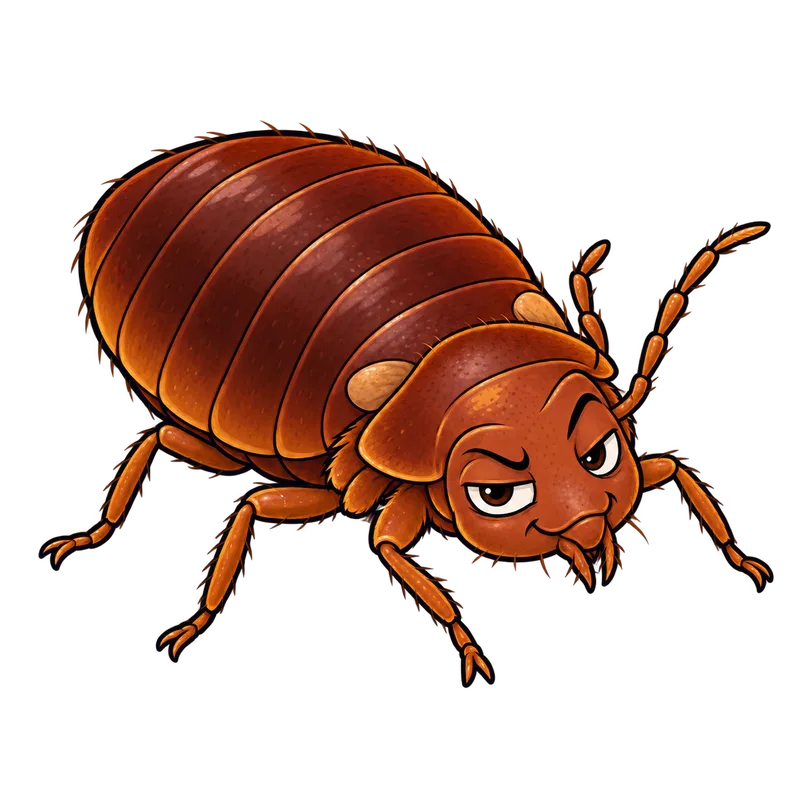
Common bed bug eggs hatch in 6 to 10 days at typical indoor temperatures between 70 degrees and 80 degrees Fahrenheit. If your house runs cooler around 72 degrees, that hatching window stretches out slightly to 10 to 12 days. Temperature changes dictate how fast these embryos develop.
What is actually going on
Picture yourself standing in the bedroom with a bright flashlight, squinting down at the seam of your mattress because you spotted something suspicious yesterday. You are probably wondering how long you have before those tiny specks turn into a full-blown crawling nightmare. At typical indoor room temperatures between 70 degrees and 80 degrees Fahrenheit, common bed bug eggs hatch in approximately 6 to 10 days. If your house runs a bit cooler around 72 degrees, that hatching window stretches out slightly to 10 to 12 days.
Temperature decides how fast these embryos develop. A female bed bug lays between 1 and 5 eggs every single day, using a sticky, waterproof secretion to glue them tightly into sheltered crevices. If the weather outside drops and your indoor climate plunges below 50 degrees, development slows down drastically or halts entirely. On the flip side, steady indoor warmth acts like an accelerator pedal for the tiny creatures growing inside those pearl-white shells.
You might wonder why a drop in temperature only pauses the problem instead of wiping it out. Bed bug eggs are remarkably resilient against mild cold, meaning unheated winter rooms or drafty garages will not reliably kill them off. They simply wait in stasis until the environment warms up again. That stubborn biology is the exact reason why a casual cleaning spree or a sudden blast from an ordinary household fan heater rarely solves an active infestation on the first try.
Finding the eggs in the first place requires knowing what you are looking at, since they usually blend right into the dark seams and folds of furniture. A single bed bug egg is about 1 mm long, which roughly translates to the size of a pinhead, a speck of dust, or a single grain of coarse salt. They are usually pearl-white or translucent and oblong, anchored firmly to wood, fabric, or paper by that glue-like secretion. You can rarely brush them away with your finger because they are permanently cemented to the surface.
If you grab a magnifying glass and check an egg that is about 5 days old, you will usually spot two tiny red eye-spots developing inside the shell. When the nymph finally emerges, it leaves behind an empty, translucent husk with a tiny cap popped open at the top. Those empty shells stay glued in place long after the baby bug has crawled away to find a blood meal.
People often mistake dust clumps, lint, or mold spots for bed bug eggs. The easiest way to tell the difference is to test their grip. Lint and dust smear or brush away effortlessly, while a genuine bed bug egg stays glued tight to the fabric piping of a box spring or the underside of a wooden headboard. If you find tiny white ovals tucked deep inside screw holes or baseboard cracks within 8 feet of a bed, you are usually looking at the real thing.
How to tell for sure
Figuring out how to tackle the problem right now usually comes down to one major reality check about how standard sprays work. Most liquid residual insecticides that you buy or apply yourself will kill active crawling bugs on contact while wet, but they usually fail to penetrate the tough outer shell of an unhatched egg. This means that even after a thorough chemical treatment, any eggs that were safely glued inside a mattress seam will keep ticking along and hatch a week or two later.
Faced with that reality, your most practical decision is to time your next move around the hatching window rather than assuming one application finishes the job. If you rely on chemical methods, a scheduled follow-up visit or re-application must happen within 10 to 14 days after the first treatment. That specific timing ensures you intercept the newly hatched nymphs before they have a chance to feed, mature, and lay a fresh generation of eggs.
Skipping that second step is why many home treatments seem to fail after looking successful for a few days. The bugs you killed were the easy targets, while the hidden eggs simply waited out the storm. Committing to a multi-stage approach, or opting for whole-room thermal remediation that blasts every life stage with heat in a single day, is the only way to break the cycle permanently.
What usually comes next
There are moments when handling an infestation on your own stops being practical and starts becoming a recipe for disaster. If you live in an apartment complex, a multi-family building, or a hotel, bed bugs travel easily along shared wall voids, electrical chases, and hallway corridors. In those shared housing situations, you need to involve a licensed pest management professional immediately so they can inspect adjacent units above, below, and on either side. Treating just one apartment while ignoring the neighbors guarantees the bugs will march right back through the wall.
You should also bring in an expert if you suspect the culprits are actually bat bugs instead of common bed bugs. Distinguishing between them requires specialized microscopic measurements of the tiny hairs behind their heads, and bat bugs will keep infesting your living spaces as long as bats are roosting in your attic or chimney. Because bats are protected by wildlife laws, a licensed wildlife control operator must handle the exclusion work safely and legally.
When to get help
On the medical side, remember that bed bug bites are medically non-diagnostic, meaning a skin reaction alone cannot confirm an infestation or tell you how severe it is. If you or someone in your household experiences severe itching, signs of a secondary skin infection from scratching, intense allergic reactions, or overwhelming anxiety, consult a healthcare provider, an urgent care clinic, or your local poison control center right away. Pest control technicians and articles like this one can help you clean your home, but they cannot diagnose skin lesions or prescribe medical treatments.