
How does bed bug heat treatment work?
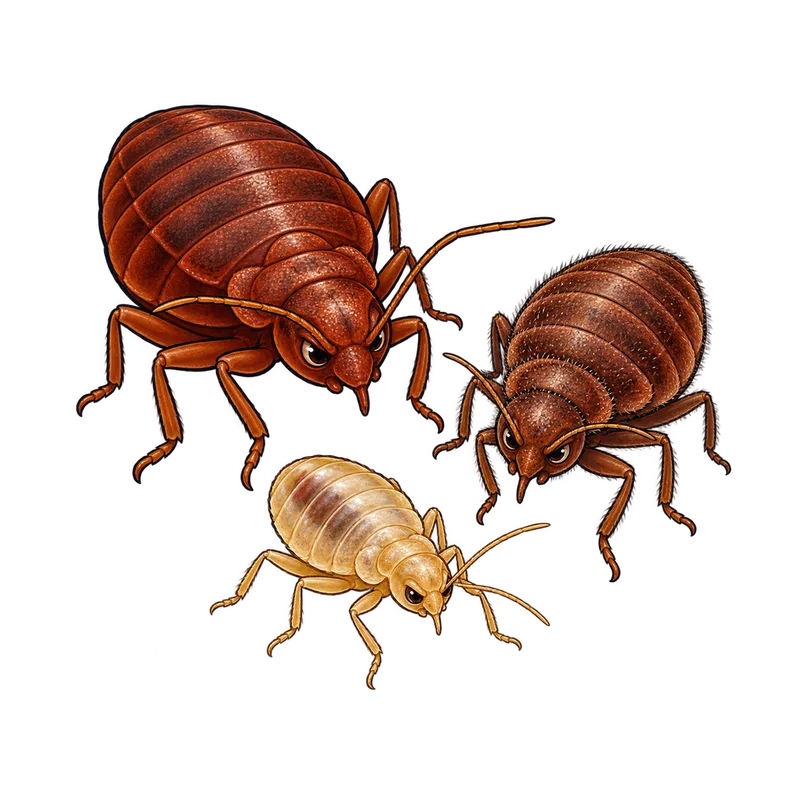
Bed bug heat treatment works by using heavy industrial heaters and high-powered fans to raise ambient structural temperatures to between 120 and 130 degrees Fahrenheit. This process forces thermal energy into every fabric fold and wall void, holding the heat long enough to cook the bugs and their eggs.
What is actually going on
You strip the sheets off the mattress at midnight, find those small rusty dots on the piping, and suddenly your skin starts itching in sympathy. If you are researching bed bug heat treatment, you have likely moved past the denial stage and are looking for a way to fix this without turning your living room into a chemical testing ground. So, how does it actually work? Professional technicians bring in heavy industrial heaters and high-powered fans to bake your entire room or home until the air temperature hits somewhere between 120 and 130 degrees Fahrenheit, holding it there long enough to cook the bugs and their eggs.
Think of it like roasting a large holiday turkey in an oven. If you just crank the dial up high for ten minutes, the outside might scorch while the center stays completely raw. Structural thermal remediation works the same way, requiring a slow, steady climb in temperature so that the thermal energy can soak all the way through thick mattresses, dense couch cushions, and baseboard crevices. The goal is to drive the core temperature of every single hiding spot past the lethal threshold of 118 degrees Fahrenheit and keep it there for a couple of hours.
At that temperature range, bed bugs across all developmental stages lose the ability to retain water and suffer irreversible damage to their essential proteins. While adult bugs and tiny translucent nymphs collapse within minutes once the heat surrounds them, the eggs require a bit more sustained exposure because they are protected by a tougher shell. The fans are critical here because they keep the hot air moving, preventing cold spots from forming under heavy furniture or inside dark closets where savvy pests might otherwise find a temporary refuge.
Bed bug heat treatment works by raising and sustaining ambient structural temperatures to a lethal threshold between 120 and 130 degrees Fahrenheit, forcing thermal energy into every crevice, fabric fold, and wall void to denature proteins and desiccate all life stages in a single non-chemical application. Unlike conventional liquid sprays that rely on chemical contact or residual ingestion, thermal remediation uses thermodynamic energy transfer to elevate the core body temperature of the insect above its thermal limit. Because adult bugs and nymphs succumb within minutes at temperatures exceeding 120 degrees Fahrenheit, and eggs possess a thicker chorion requiring sustained heat, professional technicians use high-BTU portable heaters paired with industrial air-circulating fans to eliminate dead air pockets and heat stratification. Wireless temperature sensors are embedded into deep insulated heat sinks, such as under carpets or inside couch cushions, to verify that target harborage zones maintain the required hold time. One notable consequence of this method is that heat leaves zero chemical residual once the equipment is shut down and the structure cools, meaning that a reintroduced bed bug can establish a new infestation if secondary barriers are neglected.
How to tell for sure
Before anyone brings in the heaters, you need to know what you are actually dealing with, because heat treatment for the wrong insect is a waste of time and money. The common bed bug usually measures about five to seven millimeters long, roughly the size and shape of an apple seed, with a flat, reddish-brown body if it has not fed recently. If it has fed, it swells up into an elongated, darker shape. The tiny first-stage nymphs are about the size of a poppy seed and look almost clear, while the eggs are pearly white and tiny enough to resemble grains of salt cemented into fabric seams.
However, you can easily mistake a bed bug for a bat bug or a swallow bug if you rely on the naked eye alone. If your bedroom happens to sit right beneath an attic or a chimney where bats are roosting, those biting insects crawling up your walls might actually be bat bugs rather than human bed bugs. Telling them apart usually requires magnification to look at the tiny fringe hairs on the shield right behind the head of the insect. If those hairs are longer than the width of the eye, you are usually looking at a bat bug.
That distinction matters immensely for your treatment plan. If you heat treat a living room for bed bugs while a colony of bats lives undisturbed in your roof, the problem will simply return once the temperature drops. Also, never try to identify an infestation by your skin reactions alone. Bite marks are notoriously unreliable indicators because up to thirty percent of people show no visible skin reaction to bites at all, while others develop delayed red welts days later that look identical to mosquito or spider bites. Confirmation always requires finding physical evidence like live bugs, cast skins, or dark fecal spotting.
What usually comes next
Once you confirm you are dealing with bed bugs and decide to pursue thermal remediation, your main practical decision usually comes down to whether you can handle the necessary preparation yourself or if you need to pay the pest management company to help you pack. Professional heat treatment requires you to clear out anything that will melt, warp, or explode under high heat. That means gathering up indoor plants, pets, aerosol cans, wax candles, medications, vinyl records, and delicate oil paintings, then moving them out of the treatment zone before the equipment is turned on.
You also have to decide what to do with your clothing and bedding. Fortunately, high-heat structural treatments usually eliminate the need to wash every single fabric item in your home beforehand. You can safely pack dry clothes and linens into plastic contractor bags, transport them to a household dryer, and run them on medium-to-high heat for thirty minutes to achieve complete eradication in those items alone. The worst thing you can do at this stage is start randomly moving uninspected boxes of clutter into untreated rooms or hallways, which only scatters the bugs further across the house.
When to get help
Bed bugs are notoriously stubborn, and there comes a point where do-it-yourself methods or store-bought total-release foggers will only make things worse by driving the insects deeper into wall voids and adjacent apartments. You should call a licensed pest management professional immediately if the infestation has spread beyond a single isolated bed into multiple rooms, structural voids, or a multi-family building like an apartment complex or a rental property. Industrial heaters, precise thermal sensors, and the regulatory oversight required to heat a building safely belong strictly in the hands of trained operators.
On the health side, you should involve a primary care clinician, an urgent care doctor, or a dermatologist if you or a family member experience severe allergic reactions, widespread hives, excessive swelling, or secondary skin infections from scratching the bite sites. While public health agencies confirm that bed bugs are not known vectors of infectious diseases, the psychological stress, sleeplessness, and skin irritation can take a heavy toll. If your landlord or property manager fails to act on a severe infestation in a shared building, reach out to your local health department or housing agency to understand your rights and local municipal codes.