
How do bed bugs get into your house?
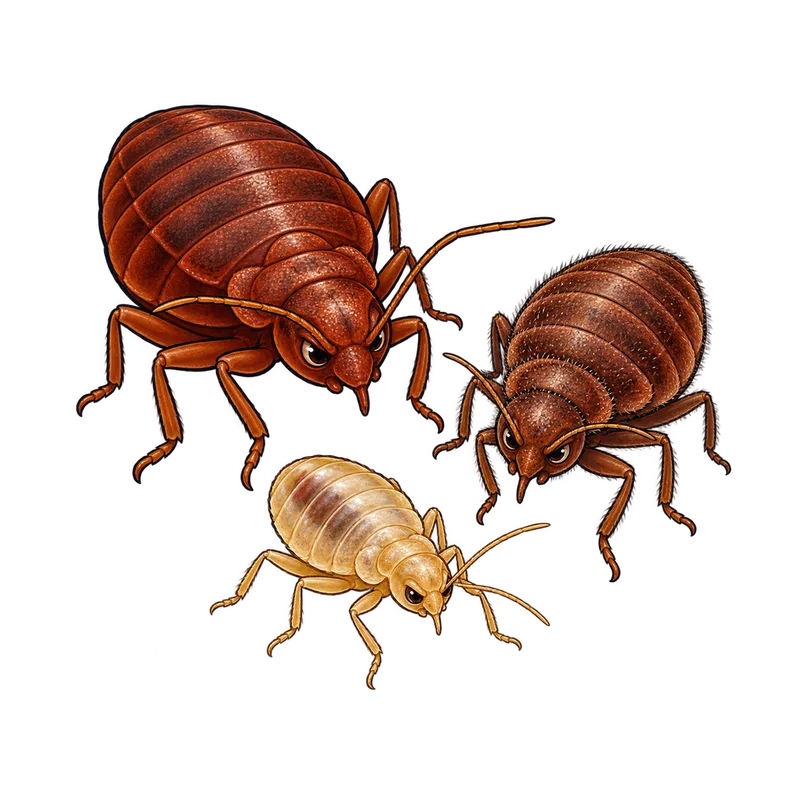
Bed bugs enter your house primarily as stealthy hitchhikers on luggage, clothing, backpacks, footwear, and secondhand furniture. They also arrive by actively crawling between adjacent apartments through shared wall voids, hallway doors, and utility conduits. Because they do not fly or jump, they rely entirely on external transportation or direct crawling to colonize new environments.
What is actually going on
You are standing in your hallway, staring at a small, reddish insect crawling across the baseboard, and you wonder how on earth it got there. You have not bought any secondhand furniture, and nobody you know has mentioned an issue. So how do these creatures find their way into a home that was completely clear just yesterday?
Bed bugs enter homes primarily through passive transport as stealthy hitchhikers on luggage, clothing, backpacks, footwear, and secondhand furniture or mattresses. In other cases, they arrive through active crawling between adjacent apartments via shared wall voids, hallway doors, and utility conduits. They do not fly or jump. Instead, they rely entirely on external transportation or direct crawling to colonize new environments.
The most common route involves human travel. An adult bug or nymph crawls into a fold of fabric or a zipper seam on a suitcase during a night at a hotel, a stay in a short-term rental, or even a trip on public transit. Once you bring that bag inside your house, the insect steps out, finds a dark crack near your bed, and settles in. In multi-family housing, they can also walk right through plumbing penetrations or electrical conduits from an adjoining apartment.
It helps to distinguish between a minor introduction, where a stray insect is brought in on a coat, and an established infestation, where a breeding female lays eggs and builds a self-sustaining population near a sleeping host. A single wandering bug does not automatically mean your whole house is infested, but it is a clear warning sign to check your surroundings before the situation escalates.
The physical journey of a bed bug usually starts with proximity to a human host. Because these insects lack wings and cannot jump, they depend entirely on the movement of people and the physical connections of buildings. When you travel, an adult bug or a tiny nymph can easily climb onto a piece of luggage sitting on a hotel carpet or hitch a ride inside the cuff of a jacket left on a chair.
Once inside a residential structure, their flat bodies allow them to slip into remarkably tight spaces. If a crack or seam is wide enough to slide the edge of a plastic credit card into, an adult bed bug can comfortably hide inside it. They congregate near places where people rest for long periods, which is why mattresses, box springs, and headboards remain the primary hubs of activity.
In apartment buildings or townhomes, active migration becomes a major factor. Bed bugs can crawl through wall cavities, along pipes, and through electrical outlets. If an adjacent unit has an untreated population, foraging bugs will eventually wander through these structural gaps in search of a meal, especially when the original harborages become crowded or the primary occupants are absent.
How to tell for sure
Before you do anything else, you need to know what you are looking at because confusing a bed bug with a harmless beetle leads to wasted effort. An adult bed bug usually looks like an apple seed, measuring about 5 to 7 millimeters long with a flat, oval, mahogany-colored body. If it has recently fed, it swells up and resembles a grain of cooked rice. Immature nymphs are much smaller, starting out about the size of a poppy seed and looking almost clear or straw-colored until they take a meal.
You rarely spot the bugs out in the open during daylight hours because they prefer tight, hidden spaces. They love to squeeze into cracks where their top and bottom surfaces touch something solid. If a crevice or mattress seam is wide enough to slide the edge of a plastic credit card into, an adult bed bug can usually hide inside it.
Look closely for secondary evidence rather than just the insects themselves. You will usually find tiny, dark, tarry spots along mattress piping, wooden bed frames, or behind headboards. These are digested blood spots left behind by the bugs. You can perform a simple home test by dabbing one of these dark specks with a damp cotton swab. If it dissolves and smears like fresh reddish-brown ink, you are dealing with bed bug waste rather than standard dust or cockroach droppings.
Be aware that bat bugs look almost identical to common bed bugs to the naked eye. If you have bats roosting in your attic or chimney, insects that look like bed bugs might actually be bat bugs wandering down through wall voids after their primary hosts leave. Confirming the exact pest usually requires professional identification under magnification, as separating them depends on subtle fringe hairs behind the head.
What usually comes next
Your single most practical decision right now is to stop and inspect rather than rushing out to buy random over-the-counter chemical sprays or total-release foggers. Using a bug bomb is a common mistake that rarely solves the problem. The mist settles on open surfaces, fails to penetrate deep harborage cracks, and irritates the bugs, causing them to scatter into wall voids and adjacent rooms where they make the infestation worse.
Instead, isolate your sleeping area to keep you and your family comfortable while you figure out the extent of the issue. Pull your bed frame 4 to 6 inches away from the surrounding walls so it no longer touches baseboards or curtains. Encase both your mattress and box spring in certified zippered bed bug-proof covers, and place smooth plastic pitfall interceptors under every leg of the bed frame.
Make sure your blankets, sheets, and comforters do not drape down to touch the floor, turning the bedding into a bridge for wandering insects. By turning your bed into an isolated island, you trap any bugs trying to crawl up to feed and prevent new ones from reaching you while you arrange for a proper inspection.
When to get help
Eradicating an established bed bug infestation requires a licensed pest management professional equipped with commercial tools, such as thermal heat treatments or specialized non-chemical strategies, because standard consumer sprays often fail against modern resistant populations. If you live in an apartment, condominium, or multi-family building, structural spread means the management or landlord must be notified immediately so that mandatory adjacent unit inspections can take place to check for hidden reservoirs.
On the health side, bed bug bites cause itching, sleeplessness, and psychological stress, but these insects are not proven vectors of human disease pathogens. However, if you or a family member experience severe skin irritation, widespread allergic reactions, or signs of a secondary skin infection from scratching, you should consult a licensed medical clinician, urgent care facility, or poison control center right away.
Finally, never attempt to handle bat bugs or bird parasites by yourself if they originate from wildlife roosting in your roof or chimney. Bats and certain nesting migratory birds are protected under wildlife laws, meaning their removal must follow strict seasonal guidelines and legal regulations coordinated with the appropriate authorities or licensed wildlife control operators.