
What do bed bug bites look like?
Bed bug bites usually appear as small, red, or pink raised bumps that feel intensely itchy and often show up in a straight line or tight cluster. On darker skin tones, these spots might look purplish. Because other pests and skin conditions produce identical bumps, diagnosis depends on finding physical evidence in the bedroom rather than looking at the skin alone.
What is actually going on
You wake up on a Tuesday morning, stretch, and catch a glimpse of your forearm in the mirror. There is a cluster of small, red, intensely itchy bumps staring back at you. Naturally, your mind races. Did you brush against something in the yard, or are you sharing your mattress with uninvited guests? If you suspect bed bugs, you want to know what their bites actually look like and whether those marks on your skin can tell you the whole story.
Bed bug bites usually show up as small, red or pink, slightly raised bumps on skin that was left uncovered during the night. They can be intensely itchy, and they often appear in a straight line or a tight little cluster. That linear arrangement usually happens because the bug got nudged while feeding, pulled back its needle-like mouthparts, and started up again an inch away. On lighter skin tones, these spots look bright red or pink, while on darker skin tones they might look purplish or hyperpigmented, though they itch just as fiercely.
Here is the catch that surprises most people, though. You cannot actually diagnose a bed bug problem by looking at the skin alone. Dermatologists and pest control experts will tell you that bed bug bites are absolute mimics. Fleas, mosquitoes, mites, hives, and even contact dermatitis from a new laundry detergent can produce identical red bumps. If you rely solely on how the skin looks, you are mostly guessing.
Another frustrating wrinkle is how your body reacts over time. If you have never been exposed to bed bugs before, your immune system might take eight to 10 days to even register the bite, meaning those marks could be delayed souvenirs from a hotel stay a week ago. On the flip side, if you live with an established infestation, your body reacts almost immediately with a classic raised welt surrounded by a red halo. And to make things even more confusing, roughly 20 to 30 percent of people are completely anergic, meaning their immune system mounts no visible response at all. You could share a bed with someone who wakes up covered in welts while your own skin remains totally spotless, even though both of you are getting bitten.
How to tell for sure
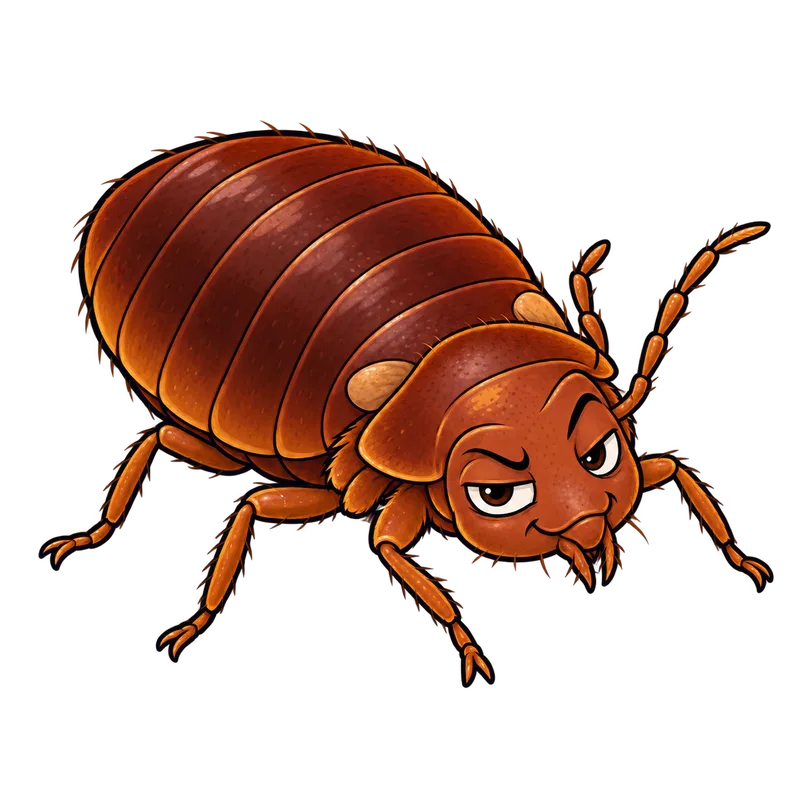
Since your skin cannot give you a definitive answer, you have to look for physical evidence in the bedroom. Bed bugs are tiny, flat, mahogany-colored insects about the size of an apple seed when fully grown, while their translucent young are closer to the size of a poppy seed. They cannot fly or jump, so they tend to stay close to where you sleep.
Start your search within an eight-foot radius of the bed, which is usually as far as these insects care to travel for a meal. Grab a bright flashlight and an old plastic credit card, and probe the tight crevices where fabric meets wood. You will usually want to check the mattress piping, the folds of the box spring, the joints of the wooden bed frame, and even behind the headboard mounting brackets.
You are hunting for three distinct physical signs rather than waiting to catch a bug in the act. Look for live crawling insects, paper-thin tan shed skins that young bugs leave behind as they grow, and dark fecal speckling on the fabric or wood. Those tiny spots look like someone dabbed the area with a fine-tip black marker. If you wet a clean cloth and press it against the dark speck, it will usually smear red because it is made of digested blood.
Be careful not to mistake bed bugs for other pests that might invade your living space. If you live near an attic or a chimney, you might deal with bat bugs, which look nearly identical to common bed bugs to the naked eye. Telling them apart requires specialized magnification to check the length of the tiny hairs on their thorax. If bat bugs are migrating down into your living quarters because their primary hosts left the attic, treating your mattress with insecticides will fail if you do not seal off the bats upstairs first.
What usually comes next
Once you find physical proof of bed bugs, your next practical decision is choosing between professional pest management and calling it quits on store-bought sprays. Consumer foggers and random bug bombs from the hardware store rarely solve the problem. In fact, those aerosol chemicals often just scatter the insects deeper into wall voids and surrounding rooms, turning a localized issue in one bedroom into a whole-house headache.
A licensed pest management professional will use a comprehensive approach known as integrated pest management, combining targeted treatments, heat remediation, and strategic monitoring to clear the infestation at its source. If you confirm bed bugs are present, skip the guesswork of aerosol cans and bring in someone equipped to handle the entire nesting area.
When to get help
There are specific moments when you need to step back and hand the situation over to an expert, whether that means a medical professional or a licensed exterminator. If you notice signs of a secondary bacterial infection from scratching the skin, such as spreading redness, increasing pain, localized warmth, or pus, visit an urgent care clinic or your primary care doctor.
Seek emergency medical attention immediately if you or someone in your home experiences signs of a severe allergic reaction, such as sudden widespread hives, facial swelling, dizziness, or trouble breathing. While common bed bugs do not transmit infectious diseases, certain look-alike biting insects like kissing bugs can carry dangerous pathogens or trigger severe allergic reactions in some regions. If you find physical evidence of bugs and cannot locate the source, or if an infestation persists despite washing bedding and laundering items on high heat, call a licensed pest control professional to take over.