
What are the signs of bed bugs?
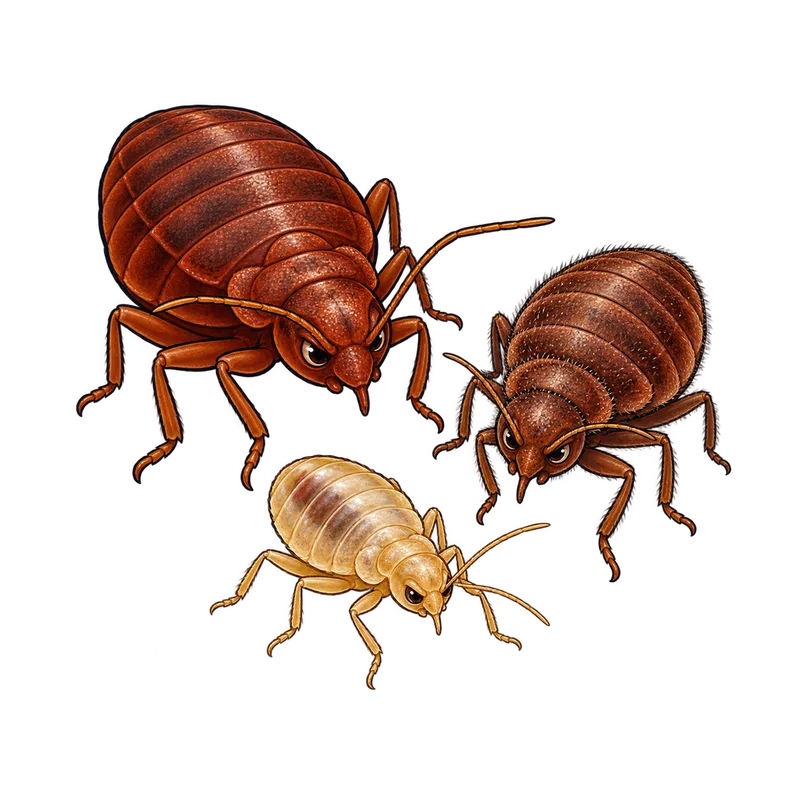
The signs of a bed bug infestation include live five to seven millimetre insects, shed skins, pear-white eggs, and dark fecal spots. Relying on skin welts alone is unreliable because bite marks are non-diagnostic. To find physical evidence, search within an eight-foot radius of your bed or couch.
What is actually going on
You are sitting on the couch on a quiet Tuesday evening, scrolling on your phone, when you notice a tiny, rust-colored speck crawling across the fabric near the cushion seam. Or maybe you wake up with an itchy red welt on your arm, and your mind immediately jumps to the worst possible conclusion. Naturally, you start wondering what the actual signs of a bed bug infestation look like, hoping it is just an errant mosquito bite or a speck of lint.
The short answer is that finding a bed bug infestation requires actual physical evidence, such as live insects, shed skins, tiny eggs, or dark fecal spots. Relying on skin bites alone is a gamble because bite marks on human skin are completely non-diagnostic. Two to three out of every ten people show zero physical reaction to bed bug saliva, meaning an entire family can share a room while only one person ever breaks out in welts. Furthermore, other household insects like fleas, mites, or mosquitoes leave marks that look identical to a bed bug bite.
To know what is truly going on in your home, you have to look past your skin and start searching where these insects actually live. Bed bugs are cryptic, meaning they prefer absolute darkness and squeeze themselves into tight crevices where they stay hidden during the day. Because they need regular access to a sleeping host, over nine out of ten early-stage sightings happen within an eight-foot radius of your bed or couch. Think of it like looking for a lost television remote. You do not start your search in the garage. You look right where people sit or lie down for hours at a time.
Spotting bed bugs requires knowing what size and shape to look for at each stage of their life cycle. Unfed adult bed bugs usually measure about five to seven millimetres long, which is roughly the size of an apple seed, with a flat, oval, mahogany-brown body. Once they finish taking a blood meal, their bodies engorge, stretch out like a grain of cooked rice, and turn a darker red. Nymphs, which are the immature versions, start out much smaller. First-instar nymphs are only about one and a half millimetres long, resembling tiny poppy seeds, and are translucent until they feed and show bright red blood inside their bodies.
Eggs are another clear giveaway if you know how to spot them. They are about one millimetre long, pear-shaped, and pearl-white, usually glued tightly in clusters along rough fabric seams or wooden joints using a sticky secretion from the female. You will also usually find cast-off exoskeletons, which are the hollow, tan, paper-thin skins nymphs shed as they grow larger. These skins tend to accumulate in tight clusters inside mattress piping or behind headboard brackets where you can slide a thin plastic credit card.
How to tell for sure
Fecal spotting is often the most widespread sign you will encounter. Bed bugs leave behind small, dark brown or black dots resembling fine marker ink near their hiding spots. To confirm whether a mystery speck is actually bed bug waste, you can perform a simple damp-cloth test. Take a moist cotton swab or wet paper towel and dab the spot. Because bed bug feces consist of digested blood, the mark will dissolve and bleed a reddish-brown color, much like a drop of watercolor paint on a wet paper towel. Cockroach droppings and environmental dirt do not do this. If you need to distinguish common bed bugs from look-alikes like bat bugs, however, that usually requires a professional with a microscope to examine the tiny fringe hairs behind their heads.
What usually comes next
Once you find physical evidence of bed bugs, your immediate priority is to stop moving things around the house and isolate your sleeping area. Resist the urge to strip the bed, drag the mattress down the hallway, or throw your clothes onto carpets in other rooms, because that is how a localized problem turns into a whole-house issue. Instead, make your bed an island. Pull the bed frame four to six inches away from the walls so the bedding never drapes onto the floor, and install certified, zippered encasements over both your mattress and box spring to trap anything already inside while keeping new arrivals out.
From there, you need to decide whether this is a localized introduction you can manage with targeted cleaning or an established infestation requiring specialized treatment. If you found a single insect on a backpack after a hotel stay, hot-laundering your travel clothes and vacuuming your bag might be enough. But if you are finding live bugs, eggs, and multiple fecal spots tucked deep inside the wooden joints of a bed frame or sofa, the most sensible next step is to stop using over-the-counter foggers, which are known to scatter bugs deeper into wall voids, and prepare to bring in a professional.
When to get help
There are moments when handling bed bugs on your own stops being practical and becomes a risk to your household or your peace of mind. If you live in an apartment building or multi-family housing complex, professional help is mandatory. Bed bugs easily travel through wall voids, utility pipes, and shared hallways, meaning an issue in one unit usually requires inspecting all the adjacent apartments above, below, and next door to find the source.
You should also call a licensed pest management professional when an infestation has spread beyond the immediate sleeping area into multiple rooms, or if you discover that wild animals like bats or birds are roosting in your attic or chimneys, which often introduces bat bugs that mimic bed bugs. On the medical side, if bite reactions become severely inflamed, extremely painful, or show signs of secondary bacterial infection from scratching, you need to see a clinician or visit an urgent care clinic immediately for proper medical evaluation. Never try to diagnose skin conditions yourself or rely on home remedies when an infection is developing.