
Why does pest control pricing vary by pest and property?
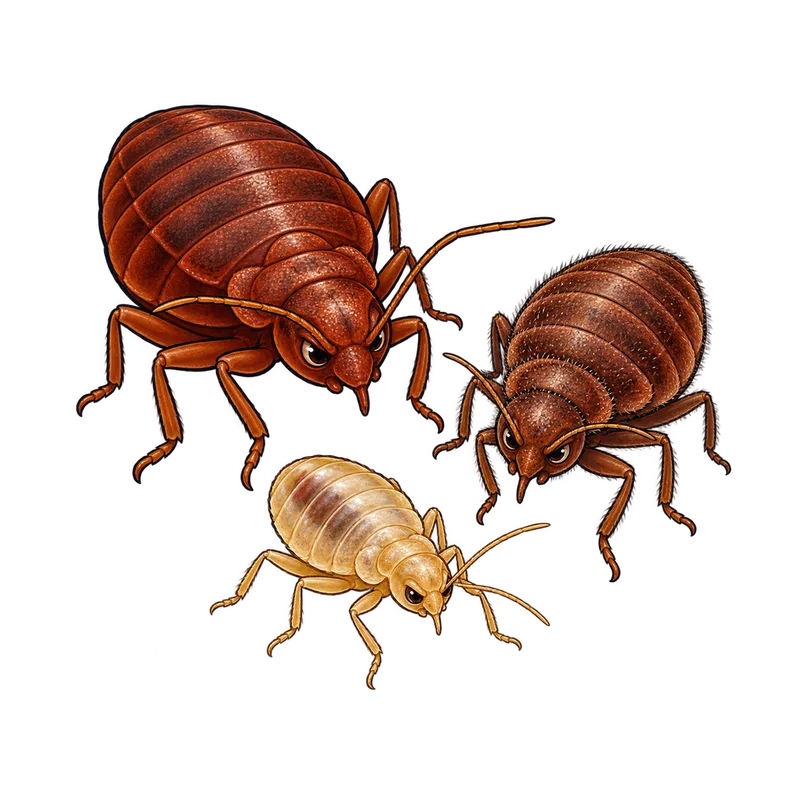
Pest control pricing varies by pest and property because different insects require specialized active ingredients, heavy equipment, and multi visit schedules. Your home foundation design, architectural access, and structural layout also dictate the physical volume of material and labor intensity needed for true eradication.
What is actually going on
Imagine getting two wildly different quotes for pest control on your home. One company wants a few hundred dollars to spray the baseboards for ants, while another quotes a few thousand dollars to deal with a termite or bed bug problem. You might wonder if the second technician is trying to fund a new boat.
The price difference comes down to biology and physics, rather than an arbitrary markup. Different pests demand entirely different chemical active ingredients, specialized equipment, labor hours, and multi-visit application schedules. At the same time, your home foundation design, architectural access, and structural layout dictate the physical volume of material required and the labor intensity needed to achieve actual eradication.
Take a subterranean termite job versus a bed bug treatment. Termites require establishing continuous chemical barriers in soil or installing bait monitoring systems. Soil treatments demand a massive volume of liquid termiticide calculated by linear and square footage. A standard perimeter trenching job might require four gallons of diluted chemical per ten linear feet for every foot of depth along the foundation. That means a medium-sized house can easily require hundreds of gallons of solution, mixed on-site, and often pumped through concrete slabs using heavy-duty injection rigs.
Bed bugs, by contrast, do not care about soil barriers. Their pricing is driven by widespread resistance to standard insecticides, egg incubation cycles that span five to fourteen days, and intricate harborage behavior in mattress seams and wall voids. Beating them often requires two to six weeks of multi-visit chemical treatments or whole-room thermal remediation using industrial heaters and remote sensors. Treating an apartment building adds another layer of complexity because pests travel through shared wall voids and plumbing chases, forcing technicians to treat all adjacent units to prevent a quick reinflation of the pest population.
How to tell for sure
Identification always comes before control, and guessing based on a bite or a vague sighting usually leads to wasted money. If you are dealing with subterranean termites, you will usually find earthen mud tubes on your foundation or walls, along with soft, channeled wood or shed wings near windows. Drywood termites leave behind distinct six-sided fecal pellets that look like little piles of sand beneath kick-out holes, usually with no mud tubes in sight.
Bed bugs typically announce themselves through dark fecal spotting on mattress seams, cast nymphal skins, and the flat, reddish-brown bugs themselves hiding in box springs or furniture joints. Remember that you cannot reliably identify an insect from a skin mark or a bite alone, as dozens of unrelated environmental factors cause similar reactions.
For wood-boring beetles, look for pinhead-sized emergence holes and powder-like frass accumulating below timbers. Carpenter ants leave behind coarse sawdust mixed with insect body parts as they excavate galleries in moisture-damaged wood. Pharaoh ants show up as tiny yellow foragers in kitchens and bathrooms without ever staging a dramatic swarming flight. If you cannot match your find to a clear visual cue, do not guess. A professional pest management technician uses ten-times magnification hand lenses and structural moisture meters to confirm the exact species before opening a single bottle of product.
What usually comes next
When someone hands you a steep pest control quote, the smartest move is insisting on an in-person inspection before you sign anything. Do not let anyone quote you a final price over the phone for complicated invaders like termites or bed bugs, because the technician genuinely needs to walk your property, check your foundation type, measure the linear footage, and see what obstacles are hiding in your crawlspace.
Once you have a proper inspection and a written battle plan, you can actually save yourself some money and speed up the results by handling the messy prep work on your own. If bed bugs are the issue, wash your sheets on high heat, toss them in the dryer for at least thirty minutes, box up your clutter, and vacuum every mattress seam before the exterminator shows up. If you are fighting wood-boring pests or ants, grab a wrench to fix that leaking pipe under the sink, dry out your damp basement, and clear away the overgrown shrubs touching your siding.
Think twice before buying cheap shortcuts at the hardware store. Those aerosol bug bombs and plug-in sonic repellents will not touch a real structural infestation, and total-release foggers usually just panic the bed bugs, driving them deeper into your wall voids and spreading them to the next room so you end up paying double later.
When to get help
Wood-eating insects will quietly chew through your floor joists, wall studs, and roof supports until the house loses its strength. If a piece of structural timber sounds hollow when you tap it or gives way under the push of a screwdriver, drop the DIY project and call a licensed structural pest expert to look at the framing before something sags.
Remember that pesticides are potent chemicals subject to strict federal and state laws, and dumping extra product on a problem because you are frustrated is illegal. If anyone in your home starts feeling sick, shows signs of poisoning, or has a bad skin reaction after a treatment, call a doctor, urgent care clinic, or your local poison control center immediately. Pest control workers are great with bugs, but they are not doctors and cannot diagnose bites or treat symptoms.
Some situations also involve strict legal rules that completely rule out a DIY fix. Bats roosting in your attic are often protected by wildlife conservation laws, meaning you cannot just spray them out and must instead rely on licensed wildlife operators using specialized one-way doors after the pups are old enough to fly. If you run into protected species, heavy structural damage, or hoarding conditions where the mess makes standard treatment impossible, step back and let licensed professionals and local authorities handle the job.