
How do you check luggage for bed bugs after a trip?
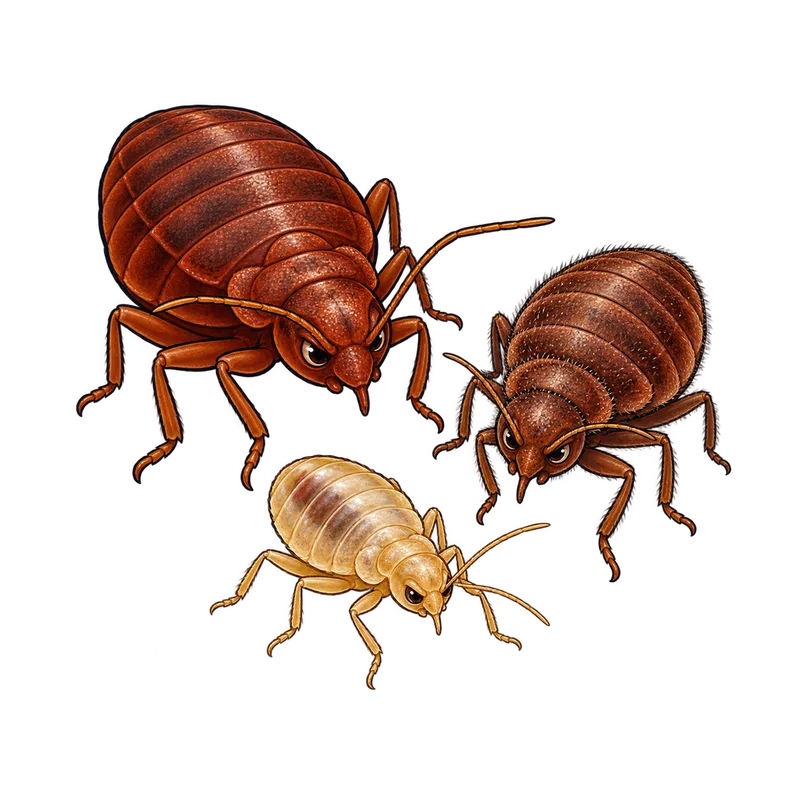
Check luggage for bed bugs by placing the suitcase on a hard surface like a tiled floor or bathtub, far away from bedrooms. Use a bright flashlight held at a low angle to inspect zippers, seams, and wheel wells for apple sized adult bugs, poppy sized nymphs, or dark fecal spots.
What is actually going on
Imagine getting back from a great trip, dragging your suitcase through the front door, and feeling that sudden urge to collapse on the couch. Right before you unpack on the bed, though, a familiar thought crosses your mind about what might have hitched a ride in your bags. Checking luggage for bed bugs after a trip is not just an overly cautious chore, and it definitely should not happen on your mattress or living room rug.
Those flat little travelers can easily squeeze into gaps as thin as a credit card, hiding out in zipper tape, lining folds, and fabric piping. If you unpack on a soft surface, anything inside the suitcase can wander off into your home before you even notice. You want to set up a neutral inspection zone first, far away from bedrooms. A tiled bathroom floor, a clean garage workbench, or even your bathtub works wonders because it gives escaping bugs nowhere to hide and keeps them off your floors.
Moving your travel gear straight into an isolated spot creates a reliable checkpoint for your homecoming. Think of it like setting up a border control station for your belongings, ensuring nothing travels into your living spaces until you have audited every seam. Luggage accumulates microscopic dust and stray fibers during transit, which can mask tiny insects unless you use bright illumination and a methodical approach. By keeping bags off carpeted rooms and soft upholstery, you eliminate the primary pathways that wandering pests use to find a permanent home in your house.
How to tell for sure
Once your suitcase is isolated on a hard surface, grab a bright flashlight and hold it at a low angle so it casts shadows across zippers, seams, and wheel wells. You are looking for a few specific signs. An unfed adult bed bug usually measures 5 to 7 mm, which is roughly the size of an apple seed and has an oval, reddish-brown body. Younger nymphs can be as tiny as a poppy seed, and their eggs look like pearl-white, sticky specks about 1 mm long.
You might also spot dark blackish-brown fecal spots, which are basically digested blood left behind on the fabric. To verify a suspect spot, dab it with a damp cloth or a wet paper towel. Real bed bug residue will usually dissolve and bleed a distinct reddish-brown ink, unlike standard household dirt or cockroach droppings. If you find insects that look slightly different, remember that distinguishing common bed bugs from bat bugs usually requires professional magnification to check hair lengths behind the head, so do not panic over a single strange bug without a close look.
It helps to remember that about 20% to 30% of people show zero skin reaction when bitten, meaning the absence of marks on your skin tells you nothing about whether your luggage is clean. You have to rely entirely on physical evidence rather than how you feel. When inspecting tiny dark specks, think of testing a fountain pen leak. If the mark runs red or brown under moisture, it points directly toward digested blood rather than random garage grime or soot.
What usually comes next
After you finish looking over the physical structure of the bag, deal with the contents immediately. Take all your washable clothing and soft items, place them directly into sealed plastic bags, and transfer them straight to your clothes dryer. Running a dryer on medium-to-high heat for 10 to 30 minutes generates a thermal environment that exceeds the lethal threshold of 122 degrees Fahrenheit (50 degrees Celsius), killing every life stage from eggs to adults instantly.
For the empty suitcase itself, a careful pass with a vacuum crevice tool helps remove any remaining dust, shed skins, or hidden nymphs. To keep those bugs from escaping the vacuum bag, slip a knee-high nylon stocking into the suction tube first to trap them securely before you empty it outside. If you have delicate leather bags or electronic smart luggage that cannot handle high heat or heavy laundering, freezing the items at 0 degrees Fahrenheit (-18 degrees Celsius) for a minimum of 4 days or using sealed container treatments usually provides a safe alternative.
Tossing dry garments into a hot dryer is often the easiest win in pest control because it destroys bugs and eggs effortlessly without needing any chemicals. Avoid total-release foggers or rubbing alcohol sprays for your luggage, as foggers fail to penetrate deep seams and alcohol evaporates too quickly while creating fire hazards. If you decide to freeze items, make sure your freezer maintains the proper sub-zero temperature consistently for the full four days so the cold actually reaches the core of dense fabrics.
When to get help
Most post-trip luggage checks are entirely manageable at home if you catch a stray hitchhiker early and take care of your laundry right away. However, finding widespread fecal spotting, multiple live bugs, or live insects emerging from structural baseboards and bed frames means an established infestation has taken root. At that point, you should bring in a licensed pest management professional to handle integrated control measures.
You should also consult a clinician if bites become severely inflamed, show signs of secondary bacterial infection from scratching, or trigger unusual allergic reactions. Keeping a cool head, inspecting methodically on hard surfaces, and using heat for your laundry will usually keep your home safe without needing harsh chemicals or panic.
Remember that finding a single stray bug on an otherwise pristine suitcase after a trip does not automatically mean your entire house is infested. If a thorough inspection of your luggage and the surrounding bedroom area reveals no other evidence, you might simply be dealing with an isolated traveler that never made it into your home. When uncertainty surrounds bat bugs or structural issues, letting an expert evaluate the situation prevents wasted effort and ensures correct treatment.