
When is a second pest inspection useful?
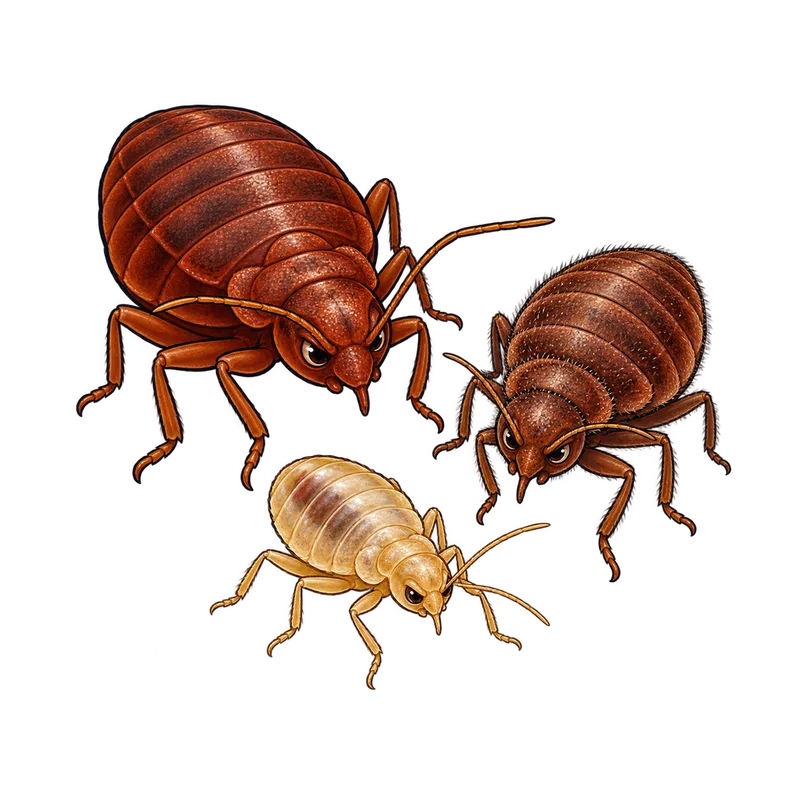
A second pest inspection is useful because initial treatments rarely finish the job on their own due to hidden structural voids, cryptic bugs, or unhatched eggs. For bed bugs, scheduling a re-inspection seven to 14 days after the first visit catches newly hatched nymphs before they mature and start reproducing.
What is actually going on
Picture walking into your guest bedroom two weeks after a pest control visit, hoping the nightmare is over, only to spot a single, tiny bug crawling across the mattress seam. Panic sets in. Did the first treatment fail completely, or do you need to start over from scratch? Most people assume that one thorough chemical spray should wipe out an infestation in a single afternoon. Unfortunately, biology rarely cooperates with our cleaning schedules. A second pest inspection becomes useful precisely because initial treatments rarely finish the job on their own, especially when dealing with cryptic bugs, hidden structural voids, or legal real estate requirements.
Think of a standard pesticide application like washing dishes while a batch of bread dough is still rising in the oven. The spray handles what is crawling around right now, but it usually lacks ovicidal activity, meaning it cannot kill insect eggs protected inside tough outer shells. For common pests like bed bugs, those eggs sit quietly for five to fourteen days before hatching into nymphs. A second inspection scheduled during that specific window catches the new generation before they mature and start reproducing.
Beyond biological timing, structural realities often force a return visit. During an initial walkthrough for a home purchase or a routine check, inspectors frequently encounter locked rooms, stacked boxes in a crawlspace, or insulation-filled attics. When those areas are finally cleared, or when construction trades finish landscaping and pouring concrete near a foundation, a second evaluation is necessary to confirm that physical or chemical barriers remain unbroken. High-density environments like apartment buildings also demand follow-up checks in adjoining units because pests simply migrate through shared wall voids and utility chases.
How to tell for sure
Knowing when a second inspection is actually justified comes down to concrete observation rather than guesswork. If you are dealing with bed bugs, standard chemical programs usually span two to six weeks, with a mandatory re-inspection scheduled seven to 14 days after the first visit. You are usually looking for newly hatched nymphs or fresh fecal spotting using a magnifying hand lens, since adults and early instars look drastically different. If the property underwent a whole-room thermal remediation reaching extreme heat across every cold spot, a routine second inspection is usually unnecessary unless live bugs or bites persist.
Wood-boring beetles present a completely different timeline. To confirm whether powderpost beetles are actively destroying your framing, a pest professional typically marks previous exit holes, vacuums up the accumulated frass, and returns in spring or early summer. Active infestations usually leave light-colored, flour-like frass sifted from fresh pinhead-sized holes, whereas old damage features caked, yellowed dust. In jurisdictions requiring formal moisture checks, wood must test at or above eighteen percent moisture across multiple locations to justify preventive treatments.
Termites and other subterranean invaders require their own verification rules. If a real estate transaction relies on a standard wood-destroying insect report, any inaccessible subfloor or blocked attic demands a secondary look once clearance is achieved. Furthermore, whenever landscaping, paving, or plumbing modifications occur around a structure, an inspection is usually required to ensure that physical termite shields or chemical soil treatments were not breached by post-installation trade work.
What usually comes next
Deciding what to do after a primary treatment comes down to a bit of patience and knowing when to keep your hands to yourself. The classic blunder is grabbing the mop and scrubbing the baseboards forty-eight hours after a residual spray goes down. Doing that just washes away the invisible chemical film meant to take out emerging nymphs over the next few weeks. Leave the treated surfaces alone, and stick to whatever timeline your technician laid out for the follow-up.
If you are handling the prep work yourself, like washing bedding in hot water and running the dryer on high heat for at least half an hour, seal those clean items right away in thick plastic bags so nothing wanders back in. Never be tempted to mix a stronger batch of pesticide than the label allows, or let yourself ignore the required waiting period before going back into the room. The product label is not just a polite suggestion, and ignoring those rules is breaking the law.
As for keeping the property in shape, maintain a bare strip of ground right against your exterior walls. Keeping those inspection zones wide open and making sure crawlspaces have enough breathing room forces foraging pests out where you can actually spot their mud tubes or entry points during a second walkthrough.
When to get help
Some situations move past standard weekend chores and demand a professional right away. If you are still seeing live bugs or fresh bites weeks after a treatment, or if the infestation decides to spread into rooms that were previously clear and into hidden wall voids, put down the retail sprays and bring in a licensed pro. Landlords and property managers also need to call in help quickly to check the units right next door before a localized problem takes over the whole building.
Health and safety warnings need to be taken literally. Never try to figure out what bit you by looking at a mark on your skin, since those reactions vary wildly from person to person and look just like other rashes or medication side effects. Anyone dealing with severe bites, skin lesions, or allergic reactions needs to see a doctor, and any suspected chemical exposure goes straight to poison control.
Structural wildlife calls for a completely different playbook. If you find bats, nesting birds, or protected wildlife living in your attic or wall voids, do not try to trap them or spray them out. Bat exclusion relies on putting up one-way doors, and those can only go up after the young are grown and flying, because shutting out adults while flightless babies are trapped inside creates a major legal and sanitary mess. Call a state wildlife agency or a licensed wildlife rehabilitator instead.