
What should you document when bed bugs are found in a rental apartment?
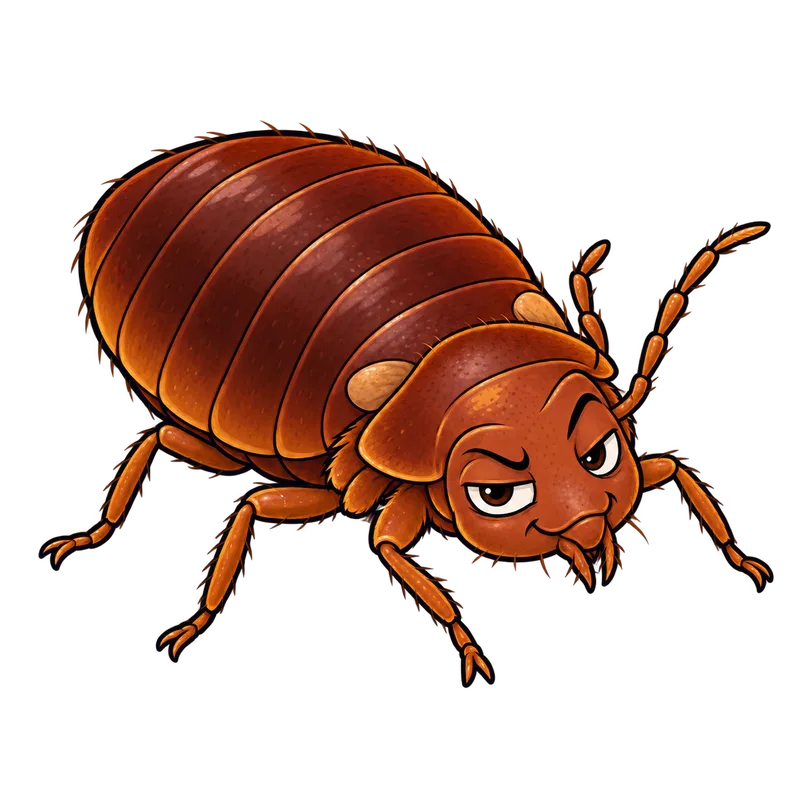
When bed bugs are found in a rental apartment, you should gather physical proof like timestamped photos and collected specimens, create administrative logs of all management communications, and keep strict records of pest control treatments. This builds a legally sound paper trail to protect your rights.
What is actually going on
Imagine coming home after a long week, dropping your bag by the door, and sitting down to relax on the sofa. Later, you notice a few suspicious red bumps, or worse, you spot a small, oval-shaped brown insect scurrying across the mattress seam. Finding bed bugs in a rental apartment immediately triggers a rush of panic, followed closely by the urge to throw out half your belongings and call the landlord in a fury. Before you start dragging the mattress down to the sidewalk or dousing your baseboards in household cleaners, you need to know what to document.
Documentation is the currency that turns a frustrating dispute with property management into an orderly, legally sound remediation process. Landlords and property managers receive frantic calls about bugs all the time, and unfortunately, many dismiss them as mere tenant paranoia or unproven claims until concrete proof is presented. Establishing a thorough paper trail protects your rights under residential lease agreements, ensures that the actual scope of the infestation gets addressed, and prevents you from footing the bill for a problem you did not cause.
Documenting an infestation is not about scribbling down that you woke up with itchy legs. It requires gathering physical proof, creating administrative logs, mapping out where the bugs are hiding, and keeping strict records of any pest control treatments that take place. When you present property management with a neat package of photographs, collected specimens, and formal notices, they have very little room to stall or deflect responsibility.
How to tell for sure
Before you write down a single word in an incident log, you need to be certain you are actually dealing with bed bugs and not some other nuisance. Start with a visual check using a bright flashlight. An unfed adult common bed bug usually measures about five to seven millimeters long, which is roughly the size and shape of an apple seed. Once they feed, they swell up to nine millimeters and look more like a dark, bloated grain of rice. Newly hatched nymphs are tiny, measuring about one and a half milliseconds, resembling pale poppy seeds, while their pearl-white eggs are as small as a pinhead.
You will usually find them hiding in narrow crevices within an eight-foot radius of where humans sleep or sit. Think about the upper mattress seams, the corners of box springs, headboard screw holes, nightstands, and behind baseboards. If a crack or gap is wide enough to slip a credit card into, it is usually wide enough to hide a bed bug. You might also spot tiny, dark black or brown fecal speckling along fabric seams or wood grain. You can verify these spots with a simple damp-cloth test by dabbing the speck with a wet white paper towel. Bed bug feces consist of digested blood, so the mark will usually dissolve and smear like dark-red or black ink. Cockroach frass, by contrast, is solid and granular and does not dissolve into a red smear.
You should also look for shed nymphal skins, which look like hollow, tan ghosts of the insects. One major myth to discard immediately is that you can identify an infestation by looking at skin bites. Dermatological reactions vary wildly from person to person. In fact, roughly twenty to thirty percent of people exposed to bed bugs show zero cutaneous immune response and never develop a single welt or itch. Because of this anergic reaction rate, skin marks are entirely non-diagnostic. You need physical bugs, shed skins, or ink-smearing fecal spots to confirm what is happening.
What usually comes next
Once you have your physical proof in hand, the next sensible move is setting up a paper trail while making sure you do not accidentally make things worse. Do not sit back and hope the problem simply goes away on its own, and definitely do not rush out to buy bug bombs from the hardware store. Those aerosol foggers fail to reach deep wall voids or mattress seams, and the chemical fumes tend to scatter the insects into neighboring apartments, turning a localized headache into a building-wide disaster.
Instead, send a written notice to your landlord or property manager through a trackable method like email, a tenant portal, or certified mail. Attach your timestamped photos, preferably with a coin or ruler in the shot to show the real scale. If you managed to save a live bug or a shed skin, pop it into a small hard vial or a zip-top bag without squishing it. Keep a neat logbook where you note down every phone call, visit date, and promise made by management.
While waiting for professional help, you can usually keep things contained by isolating your bed. Pull the frame a few inches away from the walls so nothing hangs down to touch the floor. Slip certified, zippered bed bug covers over both the mattress and box spring to trap any bugs already inside and stop new ones from getting in. You can also slide smooth-sided interceptor cups under every bed leg to catch anything trying to crawl up or down. If you need to wash bedding or clothes, drop them straight into a dryer on medium-high heat for at least thirty minutes at one hundred twenty degrees Fahrenheit or higher to kill every life stage, including the eggs, without even needing a prior wash cycle.
When to get help
Bed bug infestations in multi-family apartments almost never get fixed by DIY methods. You should call in a licensed pest control professional the second you have physical proof, largely because these insects can crawl sixteen feet in five minutes and move quickly through shared walls and utility pipes. A proper inspection usually needs to check your neighbors in the units directly above, below, and on either side to track down where the problem actually started.
There are also times when health and safety concerns mean you need to act fast. If bites get terribly inflamed, turn into open sores, or show signs of infection from scratching, you should see a doctor or visit an urgent care clinic right away. In the same way, if you or someone in your home starts suffering from severe anxiety, lack of sleep, or real mental distress because of the bugs, talk to a healthcare professional for support.
The law also tells us when it is time to step back and hand things over to the experts. Putting down commercial pesticides without a state applicator license goes against pesticide safety rules, and using those products incorrectly where people sleep creates serious poisoning risks. Treatments must always be done by licensed pros who leave behind proper records of what chemicals were used and when it is safe to return. Also, if a close-up look shows that your apartment actually has bat bugs instead of common bed bugs, the trouble is coming from wildlife roosting in the roof or chimney. Because bats and certain birds are protected by conservation laws, you have to bring in a licensed wildlife removal expert and let the local state agency know rather than trying normal pest control.