
When should a recurring bed bug bite concern prompt an inspection instead of another spray?
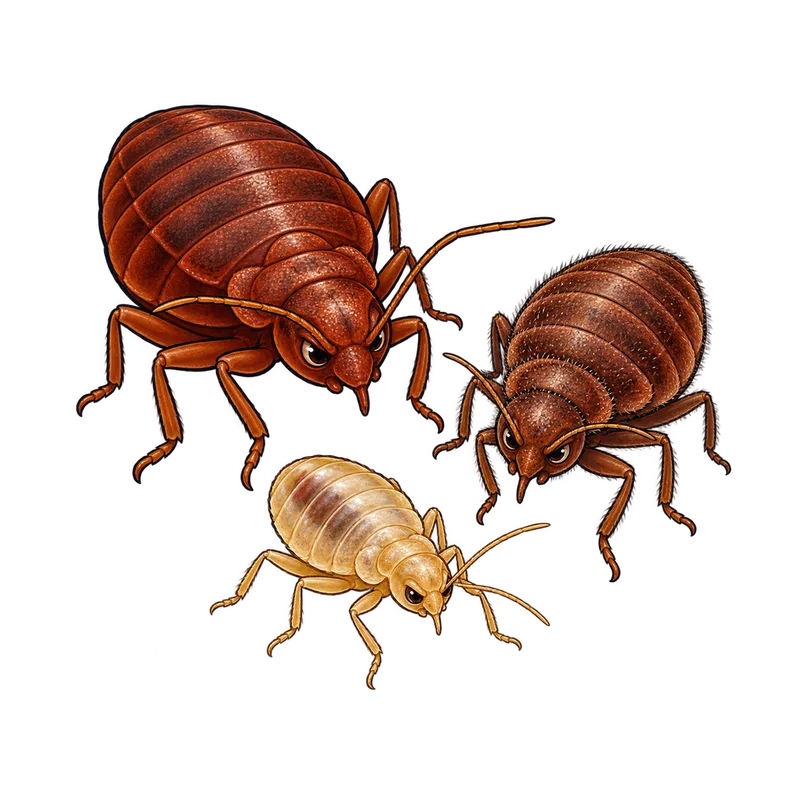
You should stop spraying and schedule a physical inspection whenever live insects, viable eggs, cast skins, or ink-like fecal spots have not been physically confirmed by a specialist. Skin lesions alone cannot diagnose a pest species. Repeatedly applying chemical sprays without finding the actual culprit wastes money, creates unnecessary chemical exposure, and drives resilient pests deeper into your walls.
What is actually going on
You wake up on a Tuesday morning with three itchy welts on your forearm, immediately assume the worst, and call the pest control company you used last year. They show up, spray a liquid chemical across your baseboards and mattress seams, and hand you a bill. Two weeks later, the mysterious bites are back. You are left wondering why the treatment did not work, and whether you need yet another round of expensive spraying.
The short answer is that you should stop spraying immediately and schedule a thorough physical inspection whenever live insects, viable eggs, cast skins, or ink-like fecal spots have not been physically confirmed by a specialist. Skin lesions alone cannot diagnose a pest species. Repeatedly applying chemical sprays without finding the actual culprit wastes money, creates unnecessary chemical exposure, and drives resilient pests deeper into your walls.
It is easy to see why people reach for the spray bottle first. Waking up with itchy marks feels like an urgent crisis, and a professional-looking can of residual pesticide feels like a direct counterattack. But human skin is notoriously unreliable regarding the identification of bug bites. Up to thirty percent of people exposed to bed bug bites show zero skin reaction at all, a state called anergy. Meanwhile, sensitive individuals can experience delayed reactions that take up to two weeks to appear.
This mismatch leads to plenty of false assumptions. One partner in a bed might wake up covered in angry red bumps while the other remains completely clear, leading them to believe only one person is being targeted. In reality, the unreactive partner is often getting bitten just as frequently, hosting an active population right under their nose. Spraying a room blindly based on skin marks is like taking a prescription medication without knowing what disease you have. It addresses a symptom while completely ignoring the underlying cause.
How to tell for sure
Before anyone brings out a chemical tank, you need hard physical evidence. Bed bugs leave distinct calling cards that are much more reliable than human skin. You want to look for live insects in various life stages, white pearl-like eggs measuring about one millimeter, translucent shed skins, or dark fecal spots that look like someone tapped a fine-tip black marker against your sheets or mattress seams.
There is a simple field test you can use for suspicious dark spots on fabric or wood. Dab the speck with a wet cotton swab or a damp cloth. If it is bed bug waste, which is digested blood, the black dot will dissolve and smear a distinct reddish-brown. Common dirt or cockroach droppings will not run red.
When you actually find an insect, identification usually gets tricky because of look-alikes. Distinguishing a common bed bug from an eastern or western bat bug requires magnification using a hand lens or microscope. A specialist has to measure the tiny fringe hairs on the sides of the insect's middle body section and compare them to the width of its compound eyes.
This distinction matters because of where these pests live. If your biting pest turns out to be a bat bug, spraying your bedroom baseboards will yield zero control. Bat bugs live in attic roosts and chimney chases alongside roosting animals, and they only wander into living spaces when their primary hosts leave. Treating the bedroom while ignoring an attic wildlife issue is a guaranteed way to keep getting bitten.
Other look-alikes include bird mites, rodent mites, and microscopic oak leaf itch mites. None of these respond to standard bedroom treatments. They usually originate from abandoned nests or outdoor trees, requiring environmental cleanup or exclusion rather than a mattress spray.
What usually comes next
Once you stop the endless loop of guessing and spraying, your smartest move is turning your bed into a secure island and finding out where the bugs are hiding. Pest control professionals usually set up monitoring tools and physical barriers before they even touch a chemical container.
You can isolate your bed easily enough. Pull the frame away from the baseboards and make sure your comforter or dust ruffle never drags on the floor. Slip tight, zippered covers designed specifically for bed bugs over your mattress and box spring. These traps lock any existing insects inside and stop new ones from settling in. Put smooth plastic interceptor dishes under every leg of the bed frame. These little cups catch bugs trying to climb up or crawl down, giving you a daily read on whether the insects are hiding in your bedroom or marching in from another room.
When monitoring proves you have an active infestation and simple steps like washing linens on high heat or steaming seams do not solve it, a licensed pro might step in with targeted treatments. They might dust dry mineral powders into hidden wall cracks or apply specific non-staining liquids where bugs actually travel. The whole point is letting the physical evidence guide the treatment instead of blindly hoping for the best.
When to get help
There are times when a persistent bug problem stops being a simple DIY puzzle and demands outside help. You really need to call a licensed pest control operator if you live in an apartment building, condo complex, or any shared housing. Bed bugs travel easily through electrical outlets, pipe chases, and common walls. Treating only your own flat while the neighbors stay infested means the bugs will just keep coming back.
You should also bring in an expert when physical clues point to bat bugs, bird mites, or kissing bugs. Those cases need specific building repairs, roof work to keep out wildlife, or medical awareness that goes way beyond normal extermination work.
If scratching those itchy welts breaks your skin, you can end up with a nasty secondary bacterial infection. Anyone noticing spreading redness, warmth, pus, or fever around a bite needs to see a doctor or head to an urgent care clinic right away. Severe allergic reactions or trouble breathing always call for emergency medical attention. Living with biting pests ruins your sleep and wears you down mentally, so getting an accurate diagnosis is the quickest way to regain your peace of mind.