
Why might bed bugs appear after a first treatment?
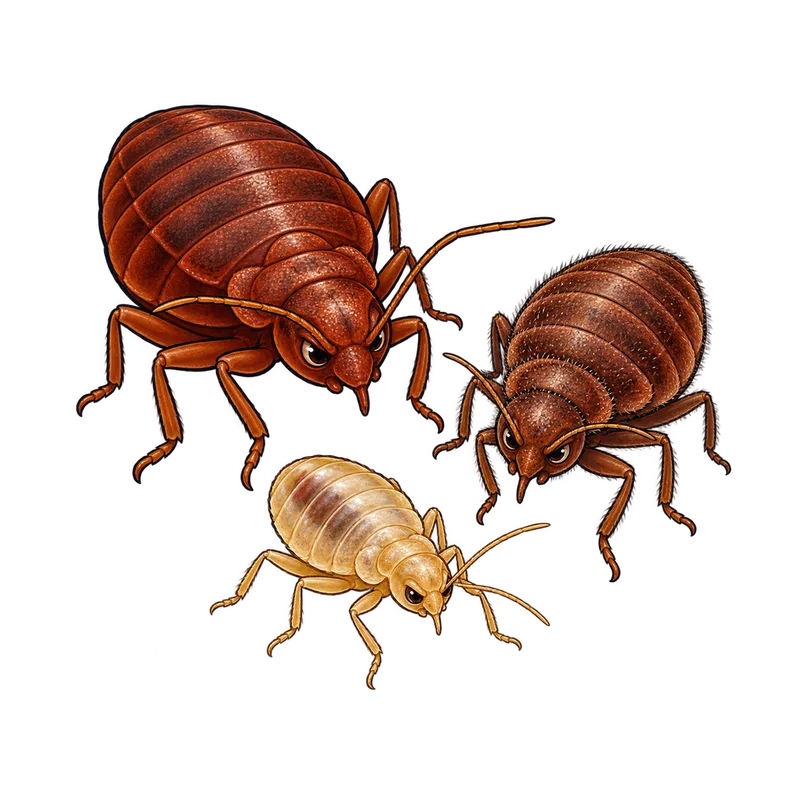
Bed bugs might appear after a first treatment because most liquid contact sprays do not kill eggs hidden deep inside wood joints and mattress seams. At normal indoor temperatures, those surviving eggs hatch roughly six to ten days later, while other insects survive due to genetic resistance against standard insecticides.
What is actually going on
Picture walking into the bedroom two weeks after the pest control technician left. You pull back the covers, feeling hopeful for the first time in a month, only to spot a tiny, pale insect scurrying across the fitted sheet. Naturally, your stomach drops. You paid good money and spent an entire weekend bagging up every piece of clothing in the house, so why are bed bugs appearing after a first treatment?
The short answer is that most liquid contact sprays do not kill bed bug eggs. When the technician sprayed your bedroom, they wiped out the active adults and crawling nymphs present on that specific day, but the females had already cemented hundreds of microscopic eggs deep inside wood joints, mattress seams, and baseboard cracks. Those eggs operate on a biological timer. At normal indoor temperatures, they hatch roughly six to ten days later, releasing a brand new wave of tiny, straw-colored nymphs that make it look like the treatment did nothing at all.
Beyond the egg cycle, modern bed bugs often carry genetic resistance to standard pyrethroid insecticides, meaning dry chemical residues left on baseboards fail to deliver a lethal dose. Instead of dying, the bugs are simply annoyed into moving deeper into wall voids, electrical outlets, or neighboring apartments if you live in a multi-family building. An initial service is never a one-and-done magic trick. It is the opening move in a biological chess match that requires scheduled follow-up visits to catch that second generation as soon as they emerge.
How to tell for sure
Before you panic and throw out your bed frame, you need to verify what you are actually looking at. Do not rely on bite marks or itchy welts to confirm an infestation, because up to thirty percent of people show zero skin reaction to bed bug bites, and skin marks can easily stem from dry air, allergies, or completely different insects. You usually need to find a physical specimen, a cast-off skin, or dark fecal spots on mattress piping.
If you manage to trap one of these recurring bugs in a piece of clear tape, take a close look at it under a magnifying glass or a phone macro lens. If it looks like a flat, mahogany seed when adult or a translucent pinhead when young, you are dealing with common bed bugs. However, if the sighting happens in an upper bedroom while the rest of the house stays clear, you might be dealing with bat bugs migrating down from an attic or chimney. Bat bugs look almost identical to bed bugs to the naked eye, but under twenty times magnification, you will usually notice long fringe hairs on the sides of their middle body segment that are longer than the width of their eyes. Standard bedroom treatments will usually fail on bat bugs until you deal with the actual wildlife in the attic.
What usually comes next
Your next smart move is shifting your mindset away from chasing stray bugs with aerosol cans and toward sealing your sleeping zone while you wait for the scheduled follow-up visit. Skip the total-release bug bombs at the hardware store entirely. Those chemical foggers just force surviving insects out of their hiding spots and scatter them into neighboring rooms or right through the electrical outlets into the apartment next door.
Instead, double down on physical barriers. Zip your mattress and box spring inside heavy-duty, certified covers meant to lock existing bugs inside and stop new ones from getting a grip on the fabric seams. Pull the bed frame a few inches away from the walls and furniture so nothing touches the surrounding surfaces. Slide smooth plastic interceptor dishes under every leg of the bed to serve as a barrier. Any bug trying to crawl up to feed or wander down from the mattress slides right into the slick outer trough and stays put, giving you clear proof of whether the numbers are actually dropping.
When to get help
There comes a time when home remedies and a single professional visit simply will not cut through a stubborn infestation. If you share walls in an apartment building or condo complex, notify your landlord or property management right away. Treating one apartment while the unit next door is ignored is like bailing a leaky boat while someone else pours water back inside. Management needs to arrange whole-building checks and coordinated treatments across shared walls to stop bugs from moving back and forth.
You should also bring in a licensed pest control operator if you find bat bugs or swallow bugs, since clearing wildlife out of a roof or chimney needs specific training and follows strict wildlife rules. On top of that, if anyone in the house gets a bad skin infection from scratching, has a severe allergic reaction, or struggles to breathe from using too much dust pesticide, reach out to a doctor or local clinic immediately. Professional exterminators use commercial heat equipment and specialized sprays that kill eggs and break the hatching cycle for good, saving you months of restless nights and guesswork.