
Bed bug nymph vs adult: which features can you identify at home?
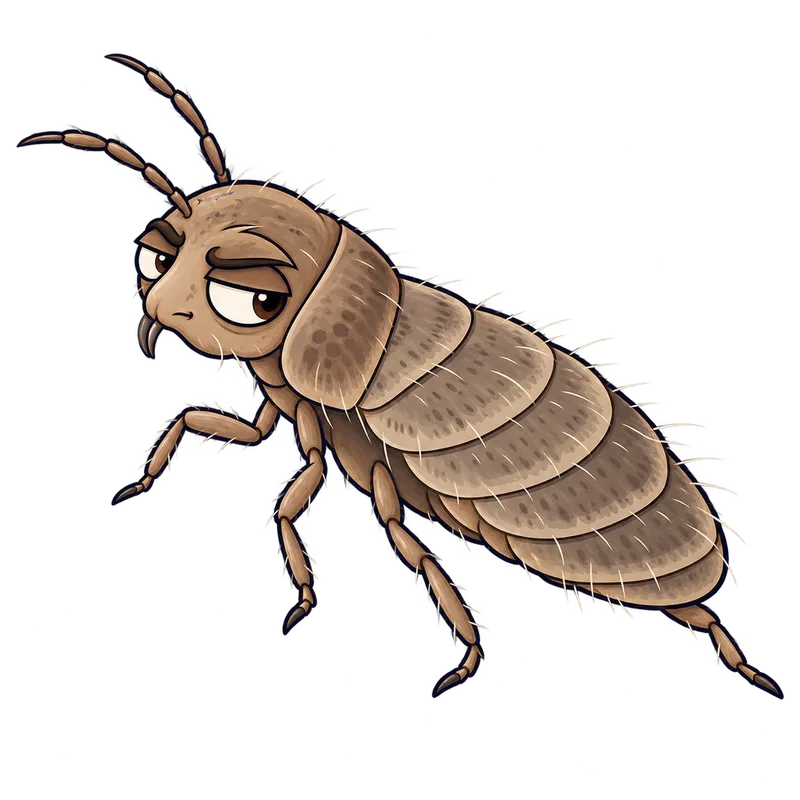
You can identify bed bug nymphs versus adults at home by looking at their size, color, and how recently they fed. An unfed adult bed bug measures five to seven millimeters long, while immature nymphs start as tiny translucent poppy seeds at just one and a half millimeters.
What is actually going on
You are standing in the dim light of your bedroom, holding your phone flashlight inches away from the mattress seam, staring at a tiny, oval bug that just scuttled out of sight. Is it a baby bed bug or a full-grown adult? If you are trying to figure out what you are looking at right there in the dark, the answer comes down to size, color, and how much dinner that little creature recently had. An unfed adult bed bug is about the size of an apple seed, measuring five to seven millimeters long, and wears a flat, oval coat of mahogany or reddish-brown. Nymphs, which are the immature versions passing through five growth stages called instars, start out looking like tiny translucent poppy seeds at just one and a half millimeters long and gradually grow larger and darker with each blood meal they take.
You might wonder why a bug you spotted yesterday looked flat and round like a copper coin, while the one you found today looks like a plump, dark red grain of cooked rice. The change happens because bed bugs are obligate blood feeders. When they are unfed, their bodies are squeezed thin from top to bottom so they can slip into crevices as narrow as a credit card. Once they finish a quick meal, they swell up into an elongated cylinder and shift from pale straw or light brown to a deep crimson.
People often assume that if a bug is crawling around in broad daylight, it must be an adult looking for trouble. In reality, nymphs are just as active as adults, driven by the same quiet need to find a host, digest, and molt into their next stage. They do not fly, and they certainly do not jump like fleas or ticks. They just crawl at a steady, deliberate pace across bedsheets, box springs, and baseboards, sticking close to where you sleep.
How to tell for sure
If you want to know what stage you are looking at without guessing, use familiar kitchen objects as your scale. A freshly hatched first-stage nymph is roughly the size of a black poppy seed, while a second-stage nymph matches a sesame seed. By the third stage, they look like coarse sea salt, moving up to flax seeds in the fourth stage, and split red lentils in the fifth stage before they finally reach that apple-seed adult size.
You usually will not need a magnifying glass for most of these stages because anything past that initial poppy-seed hatchling is clearly visible under ordinary room lighting. However, there is one major catch you should keep in mind. If you find bugs crawling near your ceiling or high up on a wall, you might usually not be looking at human bed bugs at all. You could be dealing with bat bugs or swallow bugs, which look almost identical to the naked eye. Differentiating a true bed bug from a bat bug requires looking at the tiny hairs behind its head under high magnification to measure whether those hairs are longer or shorter than the width of the bug eye.
Beyond the bugs themselves, look for the quiet clues they leave behind in an eight-foot radius around your bed. You will often spot tan, paper-thin shed skins, pearly white pinhead-sized eggs tucked into mattress seams, and dark fecal spotting. If you dab those dark spots with a damp cotton swab, they smear like wet fountain pen ink or reddish blood residue, which helps separate actual bed bug waste from harmless household dust. Never smash a suspicious bug if you can avoid it, because crushing it destroys the delicate physical features an expert might need later.
What usually comes next
Once you spot a nymph or an adult, you need to make a practical choice about handling the space without ripping your entire house apart. Resist the temptation to dump every drawer onto the floor or grab random aerosol cans from under the sink. Instead, focus your attention squarely on the primary sleeping zone. Pull your bed frame a few inches away from the wall so it stands like an isolated island, and check that sheets and blankets never drag down to touch the floor where crawling bugs can climb.
Gather all your bedding, pillowcases, and washable garments, seal them securely in bags so nothing drops out in the hallway, and put them through a hot dryer cycle for at least thirty minutes. That sustained heat reliably destroys every single life stage, from fragile, pinhead-sized eggs all the way up to resilient adults. For the mattress and box spring, putting on a tightly zipped encasement locks anything inside, covers the deep fabric seams where pests love to congregate, and leaves a smooth white background where any fresh arrivals stand out immediately.
You can also place smooth plastic interceptor dishes right beneath each leg of the bed frame. These clever little moats catch bugs trying to climb up or drop down, giving you an honest count of whether you are facing a lone traveler or a hidden colony residing nearby.
When to get help
There comes a moment when home remedies hit a wall and you have to call in qualified professionals. If you have washed everything, zipped up the bed, and set out traps, yet you keep spotting fresh bugs week after week, the core problem is likely tucked deep within wall cavities, behind baseboards, or inside furniture joints where everyday gear cannot reach.
You should also bring in an expert if you suspect the bugs actually came from animal nests up in the attic or down in the chimney. Bat bugs and swallow bugs often wander into living areas after their animal hosts leave or get removed, and spraying your bedroom will never fix a wildlife situation living behind your drywall. Because many bats and birds are legally protected, dealing with those nests takes special permits and careful removal methods that licensed pest or wildlife operators must handle.
On the health side, keep in mind that skin marks alone can never tell you the whole story about an infestation. A good portion of people show no reaction at all when bitten, while others break out in red welts that look just like mosquito bites or contact dermatitis. If you or someone in your home experiences severe itching, spreading inflammation, or signs of infection from scratching, put down the flashlight and consult a healthcare clinician or pharmacist right away.