
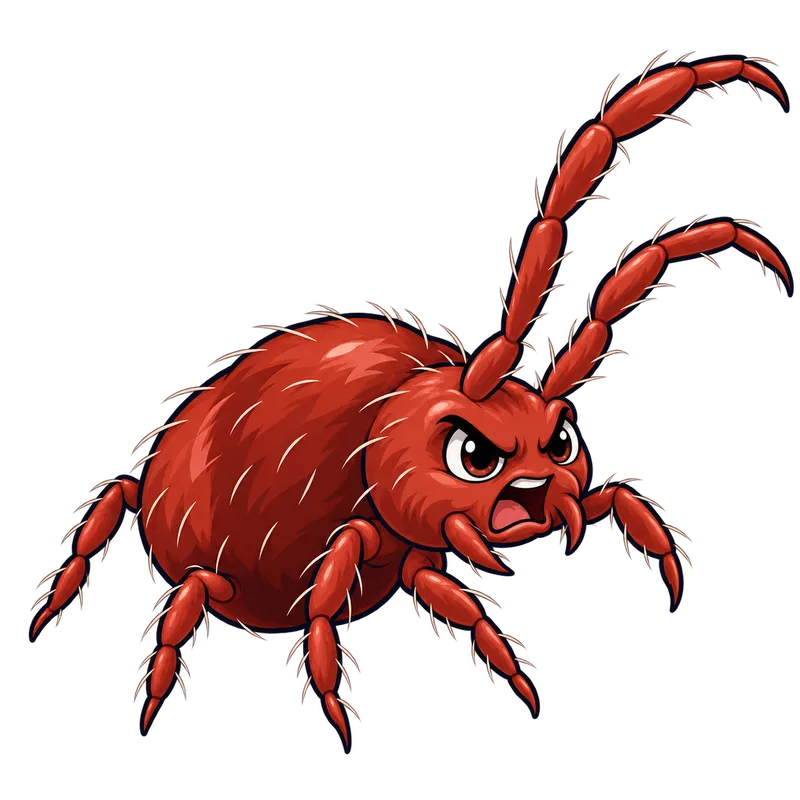
Clover mites
Bryobia species
- Size
- Very small specks requiring optical equipment
- Color
- Not established
- Habitat
- Turf, gardens, and outdoor vegetation
- Diet
- Not established
- Life cycle
- Egg, larval, nymphal, and adult stages
Clover mites are tiny arachnids in the same broader family as spiders and ticks, often first noticed when they march in their hundreds across a sunny windowsill. Trying to identify them without optical equipment is an exercise in frustration because they appear to the naked eye as nothing more than moving specks of dust. You will not find precise measurements or distinct color patterns in standard field guides for this specific creature, and smartphone photographs are entirely useless for confirmation.
Identity
An adult specimen possesses eight jointed legs and an oval, unsegmented body plan entirely lacking wings. Because they cannot fly or jump, their movement across a surface is strictly a slow crawl. Confident identification requires placing a physical specimen under a microscope for examination by a qualified professional. Relying on skin reactions or a casual description of a mark on your arm will lead you astray every time, especially since these mites are frequently confused with grass itch mites, oak leaf itch mites, straw itch mites, bird mites, rodent mites, chigger mites, and the human scabies mite. None of those look-alikes can be told apart by looking at a rash, so definitive separation demands actual physical collection and microscopic examination.
Habitat & behaviour
These creatures live in naturally occurring outdoor environments, making their homes in turf, gardens, and vegetation that hugs the exterior of human structures. They thrive in outdoor spaces where favorable conditions let their populations grow. You are most likely to encounter them during routine gardening or yard work when your movements intersect with their favored spots, or when a population surge sends them wandering toward the warmth of a building foundation. Mites do not possess wings, which means they must crawl across surfaces to get around. They cannot parachute in on the wind or leap onto your clothes. When conditions shift outdoors, they simply keep walking, which occasionally brings them up against the walls of a house.
Visual variations
Like many arachnids, clover mites move through distinct physical stages as they grow, starting out as an egg before hatching into a six-legged larval stage. As they mature into nymphs and eventually adults, they pick up the remaining pair of legs to hit the standard eight-legged configuration arranged along their sides. Because the exact duration of each stage is rarely spelled out in standard field literature, a casual observer will struggle to tell a juvenile from a fully grown adult without high magnification. Whether you are looking at them from directly above or catching their profile from the side, the one constant across mature forms is that oval, unsegmented body sitting on eight legs with zero trace of wings or flight structures.
Why it matters
Spotting these tiny visitors around your home usually sparks immediate worry about property damage or health risks, but the reality is thankfully mild. Human health effects from outdoor exposure generally stay limited to localized, raised, red, or blistering skin reactions, and technical consensus confirms they are unlikely to transmit disease-causing microorganisms. If itching flares up, standard anti-itch creams usually calm the skin down, though you should consult a clinician if severe blistering or secondary bacterial infections from scratching set in. Keeping outdoor populations under control usually comes down to clearing away plants or debris that give the mites a place to hide. Any chemical treatments require strict adherence to the product label, and decisions regarding commercial or structural applications belong squarely in the hands of a licensed pesticide applicator.
Similar species
 ChiggersFamily Trombiculidae
 Twospotted spider miteTetranychus urticae
 Concrete / sidewalk mitesBalaustium species
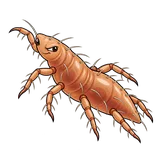 Oak leaf itch mitePyemotes herfsi
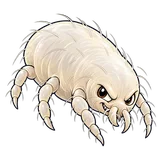 House dust mitesDermatophagoides species
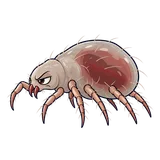 Bird mitesDermanyssus and Ornithonyssus species