
What are concrete mites?
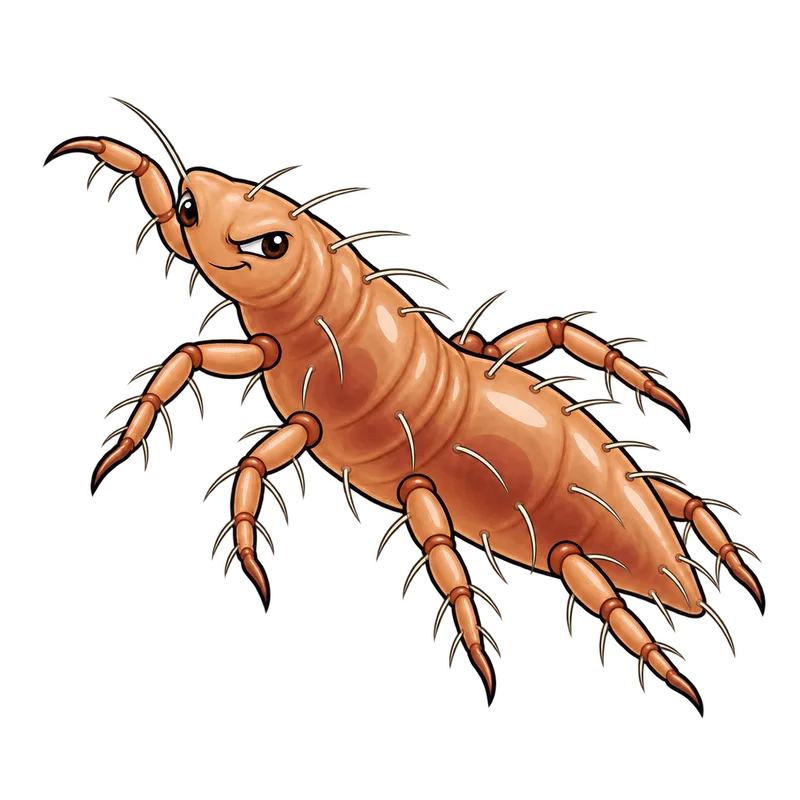
Concrete mites are bright red or reddish-tan arachnids that swarm on sun-exposed masonry and paving stones, though the term also covers other microscopic eight-legged outdoor travelers. Depending on the species, these tiny wanderers include plant-feeders, tree-dwelling itch mites measuring zero point two millimeters, or nest-dwelling bird mites searching for a host.
What is actually going on
You walk out to your driveway on a warm spring morning, coffee cup in hand, and notice a rust-colored carpet of tiny specks marching across the sun-warmed concrete. They are sprinting across the patio slabs and scaling the brick foundation like miniature mountaineers. It is easy to assume they are miniature spiders or some exotic garden invader setting up base camp against your house.
When people in everyday conversation talk about concrete mites, they are usually referring to bright red or reddish-tan arachnids that swarm on sun-exposed masonry, paving stones, and retaining walls. While entomologists use precise taxonomic names for these creatures, such as the clover mite or various plant-adjacent outdoor mites, the term generally covers tiny, eight-legged outdoor travelers that cross over hard landscaping. Most of them are harmless plant-feeders or predators, but their sudden appearance in the hundreds can cause quite a stir when they cross the threshold from the yard into the living room.
Beyond the bright red pavement wanderers, property owners often lump other microscopic biters under this same casual label because they happen to show up near structural perimeters. These can include canopy-dwelling itch mites that drop from trees onto surrounding decks, or bird mites that crawl down from abandoned nests tucked under roof eaves. They share a common habit of wandering where people least expect them, often leading to mysterious outdoor itches that send homeowners scrambling for answers.
To understand what is happening when these tiny creatures appear, it helps to look at where they come from and why they gather on concrete. Masonry surfaces absorb heat from the sun quickly, creating a warm microclimate that attracts cold-blooded arachnids on crisp mornings. Plant-feeding mites like the clover mite spend their time grazing on lawns, weeds, and ornamental plants before wandering across walkways. Other times, the specks you see are predatory or parasitic mites caught in a larger ecological cycle driven by seasonal changes and host availability.
Take the oak leaf itch mite, for instance, which is a tiny predator measuring about zero point two millimeters in length. In late summer and autumn, these microscopic creatures develop inside specialized plant galls on pin oak trees where midge larvae live. A single female can produce hundreds of offspring in a matter of days, leading to massive populations in the tree canopy. When their food source runs low or autumn winds pick up, hundreds of thousands of these mites drop from a single tree every day. They land on everything beneath the canopy, including outdoor decks, patio furniture, and anyone unfortunate enough to be raking leaves down below.
Other structure-adjacent wanderers include bird mites and rodent mites. These creatures live in nests built by starlings, pigeons, sparrows, or mice tucked into roof voids, attic spaces, or behind wall panels. When the young birds leave the nest or the host animal dies, thousands of hungry mites suddenly find themselves without a blood source. Driven by instinct, they crawl downward through structural cracks, utility chases, and window frames, spilling out onto interior walls or exterior concrete ledges as they search for a new host.
How to tell for sure
Figuring out which tiny pest you are dealing with takes more than a passing glance, and you can generally dismiss any diagnosis based purely on a skin reaction or a blurry cell phone snapshot. Skin bumps are just your body reacting to arthropod saliva, meaning a red welt on your forearm tells you next to nothing about the actual animal that caused it.
To get a reliable read, you need to pay attention to scale and optics. Certain structure-adjacent mites, like bird or rodent mites, measure about zero point eight millimeters and appear as tiny moving specks to the naked eye. Other troublemakers, such as the microscopic oak leaf itch mite, measure roughly zero point two millimeters, putting them on par with a speck of dust or a grain of fine ground pepper.
Using a simple magnifying hand lens usually lets you tell a larger tick or bed bug apart from a tiny mite, but pinning down the exact species of microscopic outdoor mite takes a stereoscope or high-power laboratory microscope. If you want a definitive answer, the most reliable method involves pressing a strip of clear adhesive tape over the crawling pests, sticking that tape to a clean white sheet of paper, and bringing the sample to a local university extension service or diagnostic clinic.
What usually comes next
Once you realize you are dealing with outdoor mites wandering onto your concrete or structure, the most practical decision you face is choosing between physical containment and physical exclusion, rather than rushing out to spray broad-spectrum chemicals. If you are finding red plant-feeding mites on your patio, or microscopic itch mites dropping from overhead trees during autumn leaf-raking, the simplest step usually involves changing your immediate routine. Skip the power leaf blowers that toss microscopic mites into the air, wear long sleeves and gloves when clearing vegetation near the house, and take a hot shower immediately after gardening to wash away unattached wanderers before they can bite. When mites are migrating inward from an old bird or rodent nest tucked under the eaves, your energy is usually better spent sealing exterior wall cracks and foundation gaps with caulk or silicone to block their pathways, keeping in mind that these outdoor and avian mites generally cannot reproduce on human blood and usually die off once separated from their natural hosts.
When to get help
There are moments when a household pest issue moves past do-it-yourself containment and requires outside intervention. If you are experiencing severe itching, blistering dermatitis, or skin papules that refuse to heal, you should consult a qualified clinician or urgent care provider for symptom relief and to rule out secondary bacterial infections caused by scratching.
You also need to step back and involve licensed professionals when structural or legal boundaries come into play. If your mite problem stems from active bird nests or bat roosts in your attic or eaves, remember that many native songbirds and bats are protected under strict federal and state wildlife laws. Active nests containing eggs or young chicks cannot be legally removed, destroyed, or sprayed with pesticides until the nesting season ends and the animals have permanently vacated. For high-pressure chemical treatments, commercial properties, or multi-family housing units, state regulations usually require you to hire a certified structural pest control applicator to ensure treatments comply with legal product labels and local safety standards.