
How are cicada mite bites treated?
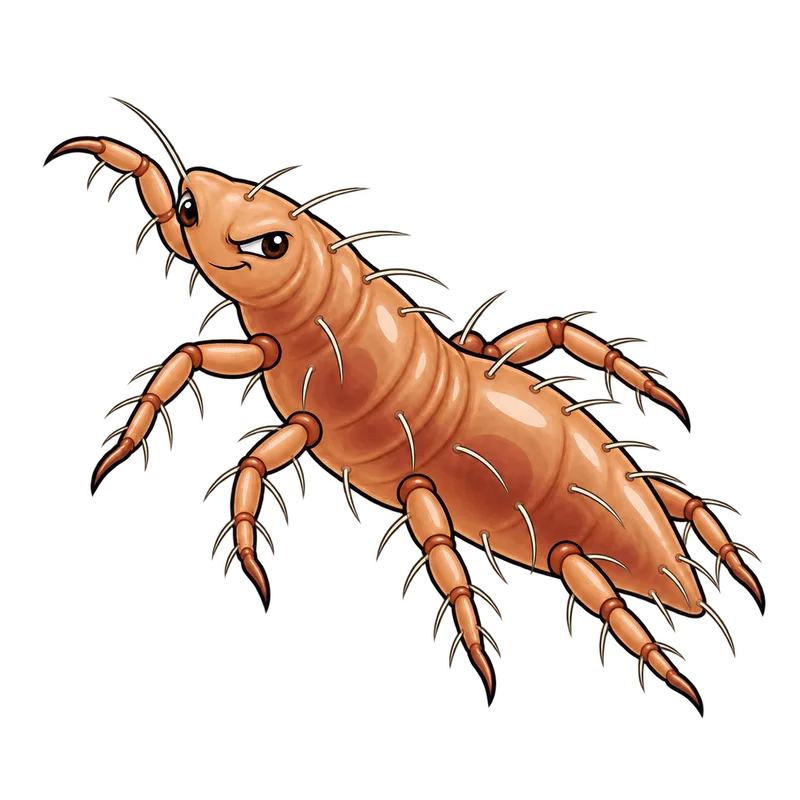
Oak leaf itch mite bites are treated by managing symptoms with over-the-counter hydrocortisone cream, calamine lotion, and oral antihistamines to reduce inflammation and itching. The right approach depends on the severity of the exposure, as a massive number of bites may require professional medical evaluation.
What is actually going on
You spent a pleasant Saturday afternoon raking up dry leaves under the big pin oak in the front yard. Everything felt fine, and you even congratulated yourself on getting the yard work done before dinner. But then you wake up Sunday morning, and your neck, shoulders, and arms are covered in intensely itchy red bumps. You never felt a thing while you were outside, and you certainly did not see anything crawling on you. What you are dealing with is a reaction to microscopic mites that drifted down from the tree canopy, and treating those bites is entirely about managing the itch and protecting your skin while it heals.
The treatment for these bites is strictly symptomatic. Because the culprit is Pyemotes herfsi, an oak leaf itch mite that drops from trees or travels on the wind, the reaction takes ten to sixteen hours to show up. When these tiny creatures land on human skin and try to feed, they inject a tiny amount of saliva containing a neurotoxin. You do not feel the bite when it happens, but hours later, your immune system reacts with those itchy, raised red bumps that often feature a tiny blister in the center.
To calm the skin down, you rely on a few standard over-the-counter remedies. Hydrocortisone cream or calamine lotion applied directly to the bumps helps quiet the local inflammation and brings down the swelling. If the itching is driving you crazy across a larger area, an oral antihistamine like loratadine or diphenhydramine takes the edge off the histamine reaction in your body. The whole point of these treatments is to make you comfortable while your immune system processes the envenomation.
The main trap here is the urge to scratch. Because the itch can be genuinely ferocious, it is easy to tear open the central blister on those bumps. Once you break the skin, you open the door to opportunistic bacteria waiting on your hands or skin surface. Keeping your fingernails trimmed and resisting the scratch is just as important as putting cream on the spots, because stopping a secondary bacterial infection saves you from a much bigger headache down the road.
Figuring out what bit you usually starts with looking at where the bumps show up on your body. Unlike chiggers, which usually target areas where clothing presses tightly against the skin like socks, waistbands, and underwear, these mites usually land from above. They tend to attack the upper body, showing up on your neck, face, chest, shoulders, and arms where loose clothing allows them to slip underneath.
You are also looking at a very specific timeline and appearance. The bites usually appear as small, red, raised bumps with a distinct tiny blister right in the middle. Because that reaction takes up to sixteen hours to develop, you are usually trying to retrace your steps to the previous day, remembering when you walked under deciduous trees, handled firewood, or raked oak leaves in the late summer or autumn.
One common trap is trying to identify the pest just by looking at a photograph of the skin lesion. That rarely works. Skin reactions to insect bites are notoriously non-specific, meaning a mosquito, a flea, and a mite can all leave behind bumps that look almost identical. If you really need to know for sure, you would need to capture an actual specimen and have a university extension specialist look at it under a high-magnification microscope. At about zero point two millimeters long, the mite itself is essentially invisible to the naked eye, looking like little more than a speck of dust or ground pepper.
How to tell for sure
When you realize you have been bitten, your one practical decision is whether to treat this at home with standard pharmacy items or adjust your approach if you have a massive exposure. If you count a handful of itchy spots on your neck and arms, reaching for the calamine lotion and an antihistamine is usually the right call, combined with hot showers and washing your outdoor clothes immediately to remove any stragglers.
However, if your yard work left you covered in a hundred or more bites from a heavy canopy drop, the sheer volume of inflammation changes the picture. In cases of massive exposure, the widespread skin reaction can cause severe discomfort and distress that requires professional medical evaluation. If you find yourself facing an extreme number of welts, skip the home remedy routine and let a clinician decide if you need a short course of stronger prescription relief.
What usually comes next
Most cases of these mite bites resolve on their own with a bit of topical relief and some self-discipline regarding scratching, but certain signs mean you need to see a doctor. If you notice expanding redness, increasing heat, throbbing pain, pus, or red streaks spreading out from the bite sites, you likely have a secondary bacterial infection. A primary care clinician or an urgent care provider needs to evaluate those symptoms, as you may require prescription antibiotics to clear the infection.
In rare instances, extreme hypersensitivity can trigger severe allergic reactions involving facial swelling, dizziness, or trouble breathing. Treat those systemic symptoms as a medical emergency and seek immediate medical attention or contact poison control right away. For homeowners looking to confirm the pest or deal with persistent tree issues, local university extension services or licensed pest management professionals can provide guidance, while medical concerns should always go through a healthcare provider.
When to get help
When dealing with persistent leaf fall in autumn, homeowners often wonder if spraying the tree canopy will stop the mites. Insecticides generally fail here because the mites reside safely inside folded leaf galls where sprays cannot reach. Instead of chemical canopy treatments, focus on physical exclusion and personal hygiene. Showering immediately after outdoor work, laundering clothes in hot water, and placing sticky barriers around tree trunks help manage the exposure without unnecessary pesticide use.