
What do oak leaf itch mite bites look like?
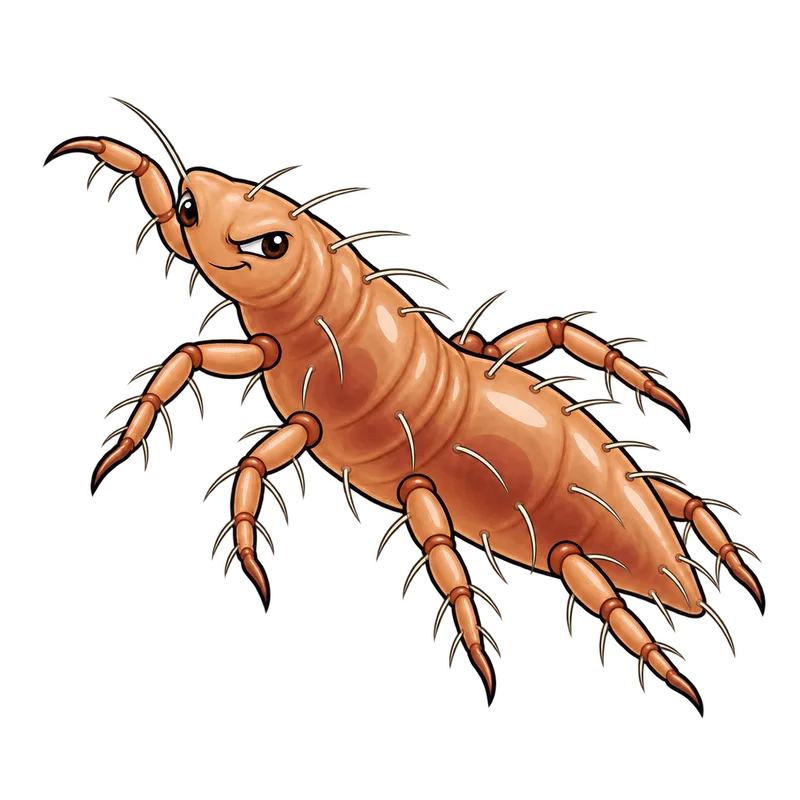
Oak leaf itch mite bites look like small, raised red bumps that feature a tiny, distinct pinhead blister right in the center. Because these microscopic arachnids fall from overhead tree branches, the resulting marks usually appear clustered on the neck, face, shoulders, upper chest, and arms.
What is actually going on
You spend a quiet Saturday afternoon raking up the dry brown leaves beneath the large pin oak tree in your front yard. The weather is crisp, the work is straightforward, and you head inside for dinner feeling satisfied. By breakfast the next morning, your neck, shoulders, and arms are covered in tight, angry red bumps that burn and itch with a persistence that drives you slightly crazy. You assume you brushed against poison ivy or walked through a patch of chiggers, but you never saw a single bug while you were outside.
What you are dealing with is the aftermath of an invisible shower. Millions of microscopic creatures known as oak leaf itch mites drop from tree canopies in late summer and autumn, carried down by gravity or sideways on the wind. Measuring roughly the size of a speck of dust, these arachnids are entirely invisible to the naked eye as they drift through the air and land on your skin. These mites are predators that normally feed on midge larvae inside oak leaf galls or cicada eggs, and humans are bitten purely by accidental contact.
The bites themselves do not hurt or sting when they happen. Instead, they feature a deceivingly delayed fuse. The telltale red bumps and the intense itching typically do not show up until ten to sixteen hours after you have finished your yard work or spent an afternoon relaxing beneath the trees.
How to tell for sure
Pinpointing the culprit relies heavily on observing where the marks appear on your body and how they develop over time. A typical oak leaf itch mite bite usually starts as a small, raised red bump featuring a tiny, distinct pinhead blister right in the center. Because these mites fall downward from overhead branches or drift on air currents, they usually land on the upper body. Expect to find them clustered on your neck, face, shoulders, upper chest, and arms where skin is exposed or loosely covered by clothing.
This upper-body pattern serves as the easiest way to tell them apart from chiggers, which usually attack the lower extremities and concentrate under tight elastic bands like socks and waistbands. Furthermore, skin marks and photographs can never provide a definitive pest identification on their own because dozens of insects and contact irritants produce identical red papules.
A reliable conclusion usually relies on your local environment. If you live in regions with heavy oak populations, spend time near pin oaks, red oaks, or black oaks during late summer or fall, and notice a widespread itch developing half a day after raking leaves, these mites are the most probable cause.
What usually comes next
The single most practical decision you face right now is how to handle your outdoor routine without turning your yard into a hazard zone, and the best choice is to skip the leaf blower entirely. Reaching for a motorized leaf blower when dealing with oak leaf litter is a mistake because the high-speed air current launches thousands of microscopic mites straight into the air where they can easily settle on your skin or drift through open windows.
Instead of blowing the leaves around, focus on mechanical caution if you must clean up your property. Wear long sleeves, long pants, and gloves when managing autumn foliage, and head straight for the shower to scrub down with soap and water the moment you finish. Tossing your exposed work clothes directly into a hot washing and drying cycle also stops any lingering hitchhikers from making themselves at home in your laundry basket.
If the itching is already keeping you awake at night, over-the-counter remedies like calamine lotion or oral antihistamines can help dial down the reaction. The most critical rule to follow during this phase is to avoid scratching. Breaking the skin with your fingernails invites resident bacteria to enter, turning a simple mite encounter into a painful secondary skin infection.
When to get help
Most standard reactions to these bites clear up on their own with basic hygiene and time, but certain symptoms require a professional eye. You should schedule a visit with a clinician or urgent care provider if you develop spreading redness, increasing pain, pus, fever, or any other signs that a secondary bacterial infection has taken hold in your scratched skin.
You should also seek immediate medical evaluation if you experience a massive exposure involving numerous bites, which can occasionally trigger severe systemic distress and intense localized pain.
For property concerns, chemical sprays applied to tree foliage generally fail because the mites live safely protected inside curled leaf galls where insecticides cannot reach them. If your pin oak trees produce heavy leaf galls year after year and you want a structured management plan, reach out to a certified arborist or your local university cooperative extension office for guidance tailored to your specific region and tree health.