
What are tiny red bugs in a house?
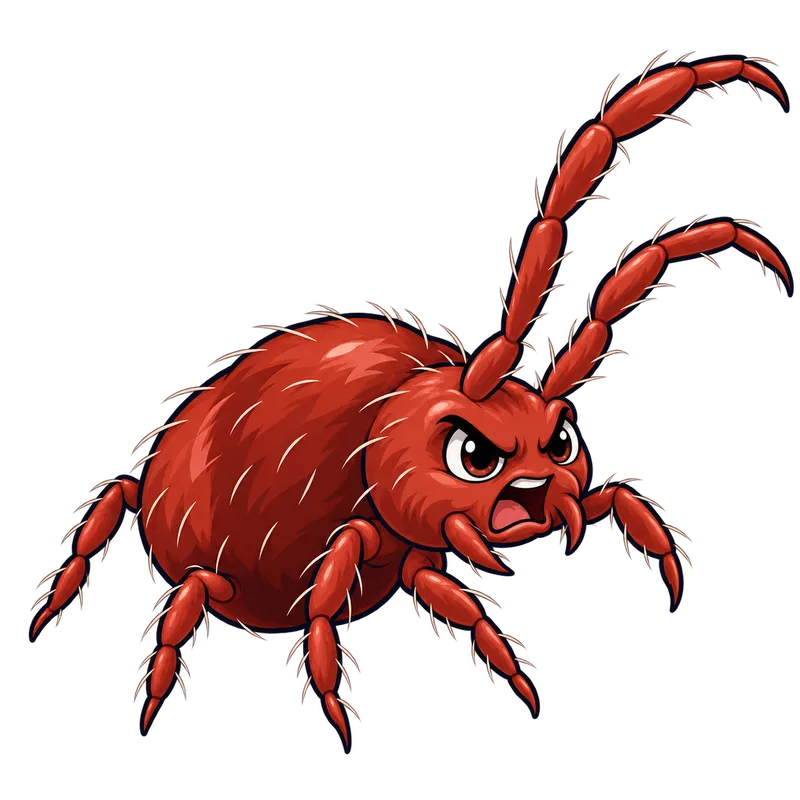
Tiny red bugs in a house are usually harmless clover mites or boxelder bug nymphs wandering indoors from outdoors. However, they can also be newly fed bed bug nymphs or bird mites that require attention. Identifying the exact pest depends on its body shape, leg count, and where you find it in your home.
What is actually going on
You are wiping down the morning condensation on the living room window sill, and suddenly you notice a dozen microscopic red specks scurrying across the white paint. Naturally, your immediate reaction is to wonder what on earth just hatched in your house. Before you start imagining the worst, take a breath. Tiny red bugs indoors usually turn out to be harmless outdoor visitors taking a wrong turn, though a few possibilities do require your full attention.
The most common culprit behind indoor red specks is the clover mite. These tiny arachnids look like walking grains of red or brownish-green dust, measuring roughly one-thirtieth of an inch across. They live outdoors by the millions in lawns and flowerbeds, feeding on plant sap. When the weather shifts or grass dries out, they sometimes wander across the foundation and slip through window frames by the hundred.
Another common source is the boxelder bug nymph. While adult boxelder bugs are large, dark, and flat with distinct red markings, their newly hatched babies start out bright red and wingless. They cluster on sun-warmed exterior walls during autumn and spring, occasionally ending up inside the living space.
You also have to consider blood-feeding pests, though they rarely look like free-roaming bugs out in the open. Early-stage bed bug nymphs are nearly translucent when they hatch, but after taking a meal, their transparent skin lets you see the bright red blood glowing right through their tiny bodies. Bird and rodent mites can also show up indoors as period-sized red specks if animals abandon a nest in your attic or eaves, and unlike clover mites, those tiny mites will readily bite humans.
How to tell for sure
Color is rarely enough to pin down a pest because things look very different depending on what they have been eating or what stage of life they are in. You usually need to look at body shape, leg count, and where you found them to figure out what you are dealing with.
Grab a magnifying glass, specifically one offering 10x magnification, if you want to inspect the details without guessing. Clover mites usually give themselves away by their unusually long front pair of legs, which stick straight out forward like tiny antennae. If you crush a clover mite on a windowsill, it usually leaves a distinct reddish-brown smear, which is just natural plant pigment rather than blood.
Bed bug nymphs and bird mites will not have those oversized front legs. A bed bug nymph starts out shaped like a tiny, pale apple seed, turning bright red only after feeding. Bird and rodent mites are so small they usually look just like a period printed at the end of a sentence, requiring close inspection to spot their movement.
Location matters just as much as anatomy. If you find dozens of red specks clustered exclusively along a sunny southern window frame, they are usually clover mites or boxelder bugs looking for warmth. If you find reddish bugs or unexpected blood spots near a bed frame, mattress seams, or upholstered furniture, the situation usually points toward bed bugs or related parasites rather than casual outdoor wanderers.
What usually comes next
Deciding how to handle your unexpected visitors usually depends on whether they are harmless outdoor hitchhikers or indoor parasites. If you are dealing with clover mites or boxelder bugs, the most practical step is simply creating a physical buffer between your house and the lawn. Clear away heavy mulch, tall grass, and decorative shrubs right against your exterior walls, leaving a bare strip of soil or gravel measuring 12 to 18 inches wide. That plain dry gap usually stops lawn dwelling bugs from bridging the distance into your living room.
Never crush wandering red bugs against white curtains, wallpaper, or upholstered armchairs, because doing so creates stubborn pigment stains. Instead, capture a few intact specimens using a strip of clear adhesive tape, or gently sweep them into a small jar filled with 70% isopropyl alcohol if you need to show an extension agent or pest control technician.
If you suspect bed bug nymphs or bird mites based on itchy bites or locations right next to your bed frame, skip the aerosol foggers and bug bombs entirely. Store-bought foggers usually scatter hidden bugs deeper into wall voids and rarely solve the underlying problem. Focus instead on hot-water washing and high-heat drying for at least 30 minutes for all bedding, linens, and garments pulled from the affected rooms, and bring in a professional if sightings persist beyond a couple of weeks of careful daily monitoring.
When to get help
Certain situations demand outside expertise, and trying to handle them alone usually just wastes your weekend and risks your comfort. If you are experiencing unexplained skin irritation, red rashes, or suspected insect bites, consult a healthcare clinician or dermatologist for a proper medical evaluation. Never attempt to diagnose a pest infestation based solely on a mark on your skin, because insect bites and routine dermatological reactions look remarkably similar and vary wildly from person to person.
Call a licensed pest management professional if you find persistent populations of blood-feeding pests like bed bugs, bat bugs, or bird mites that do not clear up after basic sanitation efforts. Multi-unit housing situations, such as rented apartments or attached townhomes, almost always require professional intervention because these tiny travelers move freely between neighboring walls.
If your tiny red bugs turn out to be wood-destroying insects accompanied by mud tubes or damaged timber, or if you discover wild animal hosts like bats nesting in your attic or chimneys, you need specialized help. Bat exclusion must follow strict seasonal guidelines to avoid trapping flightless young in the roost, and structural wood pests require licensed structural applicators to treat safely and legally according to product labels.