
Is food with flour mites safe to eat?
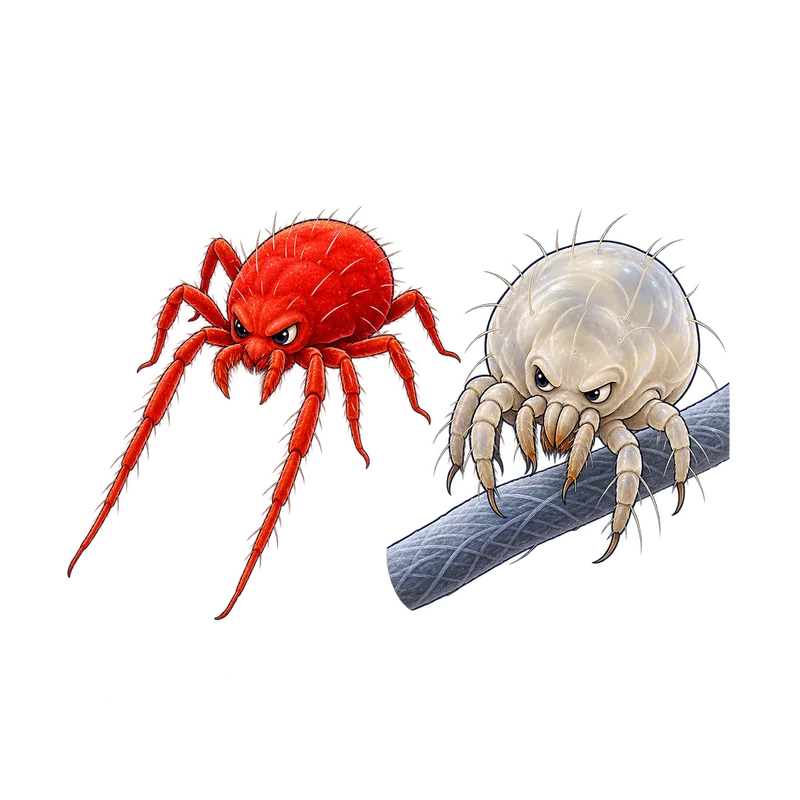
No, food with flour mites is not safe or suitable to eat, and you should throw it in the trash. An infestation leaves the food heavily contaminated with cast skins, fecal waste, and potent allergenic proteins that do not go away even if the live mites are killed. Eating contaminated food can trigger severe allergic reactions, asthma attacks, and contact skin irritation.
What is actually going on
You reach into the back of the pantry for that bag of unbleached flour you bought a few months ago for a weekend baking project. As you pull it down, you notice a strange, fine dusting of powder sitting on the wooden shelf right underneath the package. You wipe it away with your thumb, but a minute later, you look closer and realize that little patch of gray dust is actually shifting. It is moving on its own.
To answer the question right away: no, food with flour mites is not safe or suitable to eat, and you should throw it in the trash without a second thought. It is tempting to think you can salvage things, especially when grocery prices make you wince. You might wonder if you can just sift the bugs out or bake the flour into a hot loaf of bread to kill whatever is moving inside. Unfortunately, that logic does not hold up.
Flour mites are microscopic, eight-legged arachnids, meaning they are distant relatives of spiders and ticks rather than true insects. They leave behind more than just their tiny bodies. When an infestation takes hold, the flour is heavily contaminated with cast skins, fecal waste, and potent allergenic proteins. Even if you manage to kill the live mites with heat or cold, those waste products and allergens stay right where they are.
Eating contaminated food or even breathing in the dust when you open the bag can trigger severe allergic reactions, asthma attacks, and contact skin irritation. Because these creatures feed on the nutrient-dense parts of the grain and carry mold spores along the way, they quickly turn a dry baking staple into a ruined, unpalatable mess.
How to tell for sure
Spotting these creatures usually requires a close look because individual flour mites measure only a tiny fraction of an inch, making them nearly invisible against white flour. When populations explode, they usually form what looks like a moving layer of gray or brown dust along the seams of a package or across your pantry shelf.
You can run a simple sensory check if you suspect something is off. Take a small pinch of the flour and rub it between your fingers. If you catch a distinct, sickly sweet or minty smell, that is usually a clear sign of mites and their chemical secretions. Healthy flour should smell neutral or pleasantly wheat-like, rather than carrying unusual chemical or herbal notes.
You will usually notice a change in the texture of the food as well. Infested flour tends to look discolored, clumpy, and gray-tinged because the mites target the grain germ and accelerate mold growth. If your flour is caked together and smells unusual, do not bother second-guessing it.
What usually comes next
Your single most practical move right now is to seal that infested package in a thick plastic bag, carry it out to your outside trash can, and shut the lid. Avoid tossing it into an indoor bin where those tiny creatures can easily wander back out toward your pantry shelves.
Once you get rid of the ruined food, you have to fix the environment that invited them in the first place. Flour mites cannot survive in dry air because they depend on high humidity to keep their bodies from drying out. If your pantry sits in a damp corner or traps moisture behind closed doors, every new bag of flour you buy is just waiting for the next wave to arrive.
Keeping the relative humidity around your dry goods below fifty percent is your strongest shield. You can do this by running a dehumidifier or setting up better air circulation, which starves any remaining stragglers of moisture and stops mold from growing. Going forward, store your flour and grains in glass, metal, or heavy-duty plastic containers with tight rubber seals. Paper bags and cardboard boxes are basically open highways for these pests, while a proper gasket jar keeps them completely locked out.
When to get help
The health risks tied to flour mites are real, especially if you already struggle with sensitivities. If anyone in your home breaks out in a rash, has facial swelling, or starts wheezing after dealing with contaminated food, step away from the kitchen and talk to a doctor right away. People who react to house dust often experience severe respiratory flare-ups from pantry mites because the two groups are closely related.
You should also look beyond your usual cleaning routine if the pests keep coming back. When flour mites refuse to leave even after you scrub the shelves and dry out the air, you are likely dealing with a hidden trap. That kind of persistence usually points to a slow pipe leak, damp wall voids, or old flour spilled deep behind built-in cabinets. When standard cleaning falls short, calling in a licensed pest control professional is the best way to track down the hidden moisture and secure your kitchen for good.