
Why are grain mites in the kitchen?
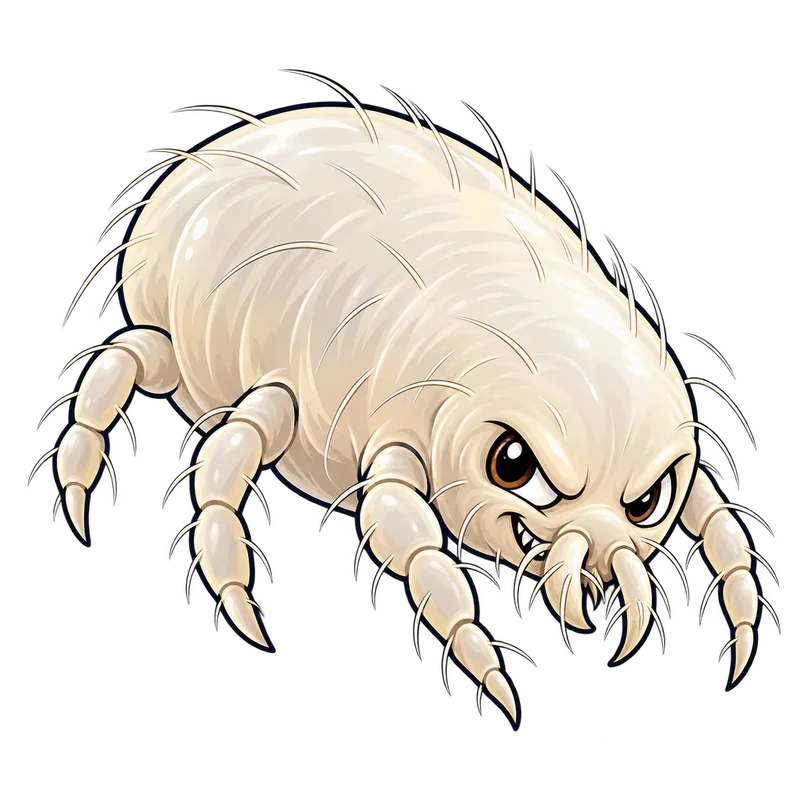
Grain mites enter kitchens inside groceries like flour, cereal, and pet kibble, and they multiply because warm temperatures and high humidity make dry food damp enough for mold. These microscopic arachnids feed directly on fungal growth and seed germs, turning a humid pantry into a booming habitat when grain moisture climbs past thirteen percent.
What is actually going on
You reach to the back of the pantry for a bag of flour you bought a few months ago, planning to bake on a rainy afternoon. As you pick it up, you notice a fine, grayish powder coating the top of the shelf and smudging the paper packaging. When you look closer, that layer of dust seems to be shifting. You are not seeing dirt settling from the ceiling. You are looking at thousands of tiny, living grain mites.
Why are they there in the first place? Grain mites enter kitchens and rapidly proliferate in stored food products because warm ambient temperatures combine with high relative humidity to make dry food damp enough for mold. These microscopic arachnids do not drop out of the clear blue sky. They usually hitch a ride into your home inside a bag of flour, cereal, pet kibble, or dried fruit straight from the grocery store supply chain.
Once inside, they wait for the right conditions. Think of an open paper bag of flour in a humid kitchen during the summer like a dry kitchen sponge. It quietly soaks up invisible moisture from the air. When that grain moisture content climbs past thirteen percent, microscopic fungi and mold spores begin to sprout on the starches and proteins. Grain mites feed directly on that fungal growth and the nutrient-rich germ of the seeds.
If the air in your kitchen stays humid and the temperature is comfortable, their numbers explode. A single female can lay hundreds of eggs over her lifespan. Because their entire life cycle from egg to adult takes less than two weeks under warm, moist conditions, a few stray mites turn into a crawling layer of dust before you know it. They are not there because your kitchen is filthy. They are there because they found moisture, food, and warmth.
How to tell for sure
Individual grain mites are nearly impossible to spot with the naked eye because they measure only about a fraction of a millimeter in length. If you grab a magnifying glass, you will usually see a soft-bodied, translucent white or pale pearly-white oval creature with pale yellow or reddish-brown legs moving slowly across the food particles.
Unlike the six-legged insects crawling around your garden, adult and nymphal grain mites belong to the spider class, meaning they have eight legs. They also hatch with six legs as larvae before developing their final two legs during later molts.
You can also rely on your other senses when trying to confirm what you are looking at. If you take a small pinch of the suspected flour and roll it between your fingers, heavy infestations release a distinct, pungent sweet or minty aroma caused by glandular secretions. That minty smell combined with a grayish, moving powder on your pantry shelves usually points straight to grain mites rather than standard household dust or mold.
People often confuse them with house dust mites, but the two do not mix. House dust mites live in mattresses, pillows, and upholstered furniture, feeding exclusively on human skin flakes. They cannot survive in a pantry. Grain mites live strictly in food commodities and feed on starches and mold. You might also mistake them for booklice, which are six-legged insects that prefer damp paper and book bindings, or mold mites, which favor very wet bathroom surfaces rather than dry goods.
What usually comes next
Your immediate decision comes down to a hard truth: you cannot salvage heavily infested food, and you should never try to sift or blow the mites out of flour.
Once a bag of flour or a box of cereal is crawling with grain mites, throw it away immediately. Seal those infested items inside heavy plastic bags and carry them directly to an outdoor trash can so the mites do not scatter inside your house. Trying to bake the mites away or sift them out leaves behind allergenic waste and fungal spores that can still trigger severe allergic reactions.
After you clear out the compromised food, your next step is a thorough physical cleaning combined with environmental change. Wipe down your pantry shelves with hot, soapy water, and use a vacuum crevice tool to clear out all the crumbs hiding in shelf corners and cabinet joints. Seal that vacuum bag right away and take it outside.
More importantly, address the moisture that invited them in. If your kitchen relative humidity stays high, more mites will find a way back in. Using an exhaust fan while cooking, running a dehumidifier, or fixing a slow plumbing leak under the sink changes the microclimate. To protect future groceries, transfer your flour, rice, sugar, and pet food out of paper bags and cardboard boxes and into clean, airtight containers made of thick glass, metal, or hard plastic with rubber-gasketed lids. You can also freeze newly purchased dry goods for a few days to kill off any hidden eggs before putting them away in the pantry.
When to get help
Grain mites do not transmit infectious diseases, and they do not possess biting or piercing mouthparts designed to feed on human skin. However, handling infested grain or inhaling the airborne dust filled with cast skins and waste can trigger an itchy, papular contact dermatitis often called baker's itch or grocer's itch. Inhaling these allergenic proteins can also set off severe asthma attacks, allergic rhinitis, and eye irritation, especially if you already struggle with indoor allergies.
If you or anyone in your household develops persistent skin rashes, eye irritation, or breathing difficulties after cleaning out a pantry, consult a qualified clinician, allergist, or urgent care service for proper evaluation.
You should also look outward for professional help when your home setup fights back against your best efforts. If grain mite populations persist despite complete disposal of infested foods, deep cleaning, and efforts to lower indoor humidity, the moisture problem might be hiding inside your walls. Hidden structural leaks, damp wall voids, or subfloor moisture require moisture remediation specialists to track down the source. Furthermore, if you are managing a commercial food service business, a food processing facility, or a multi-family residential building where standard sanitation fails to control the environment, bring in a licensed pest management professional to assess the layout and apply appropriate control measures under local regulatory guidelines.