
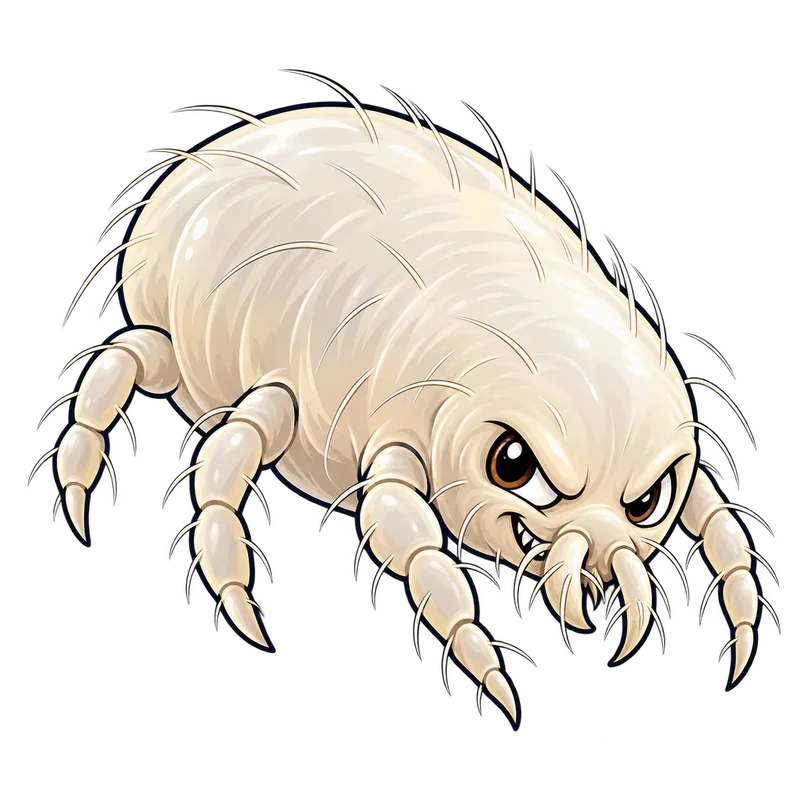
House dust mites
Dermatophagoides species
- Size
- Less than 0.5 mm long
- Color
- White to light tan
- Habitat
- Mattresses, bedding, and carpets
- Diet
- Shed skin flakes and house dust
- Life cycle
- Approximately 1 month
House dust mites are microscopic arachnids belonging mostly to the genus Dermatophagoides, along with indoor relatives like Euroglyphus maynei. If you are picturing a tiny insect that scurries across your pillowcase, you are looking for the wrong thing entirely. An adult measures less than 0.5 mm in body length, making it completely invisible or at best a faint speck to the unassisted human eye. Their bodies are oval, flattened, and translucent white to a light tan color. They are entirely wingless, have no jumping legs, and lack eyes. To see their short, thick legs equipped with terminal claws, you would need a microscope with significant magnification. Definitive species identification cannot be done by eye on site, requiring suspect dust samples to be sent to a specialist.
Habitat & behaviour
These creatures live wherever humans drop organic debris, concentrating heavily in indoor areas and soft furnishings. You will find their highest concentrations inside mattresses, mattress seams, upholstered couches, and deep-pile carpets. They are scavengers that feed on shed human skin flakes, house dust, fungal spores, pollen grains, and plant fibers. They are strictly governed by temperature and relative humidity. Mite populations expand dramatically in warm, humid regions, while continuously air-conditioned homes, cold environments, and dry regions make it difficult for them to persist. Behaviourally, they actively avoid strong light and shelter deep in the crevices of furniture. Because they cannot fly or jump, their bodies, carcasses, and microscopic waste particles become airborne during routine household disturbances like making beds or vacuuming, quietly joining indoor air currents.
Visual variations
The life cycle rolls through five distinct developmental stages, and each one looks slightly different under a high-powered lens. It starts with an egg tucked away in soft furnishings, which soon hatches into a six-legged larva. That baby stage shifts into two different eight-legged nymphal phases called the protonymph and the deutonymph before finally becoming an adult. Fully grown mites sport four pairs of stubby legs and stay well under 0.5 mm in length. You can tell males apart from females under a microscope, but do not look for any complex social order because these creatures live entirely solitary lives. Their mouthparts are short and built for scraping up flakes rather than piercing flesh, which separates them from blood-feeding pests.
Why it matters
Finding house dust mites in your sofa does not mean you have a dirty house or a failing building. They leave structural wood alone and never chew holes through your favorite wool sweater. More importantly, they never bite human skin, pierce tissue, drink blood, or pass along any diseases. The real trouble comes from strong protein allergens hidden inside their living bodies, dead carcasses, shed skins, and tiny waste pellets. Breathing in those microscopic bits can trigger nagging stuffy noses, sneezing fits, and major asthma flare-ups. If you or someone in your house deals with severe breathing trouble or constant allergy symptoms, talk to a doctor or an allergist for real guidance. When someone insists they are getting bitten and covered in itchy red marks, you need a professional to look closer because dust mites are innocent.
Similar species
 Bird mitesDermanyssus and Ornithonyssus species
 Tropical rat miteOrnithonyssus bacoti
 Clover mitesBryobia species
 ChiggersFamily Trombiculidae
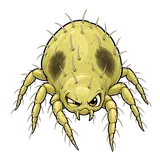 Twospotted spider miteTetranychus urticae
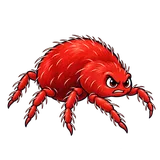 Concrete / sidewalk mitesBalaustium species