
Why are grain mites in dog food?
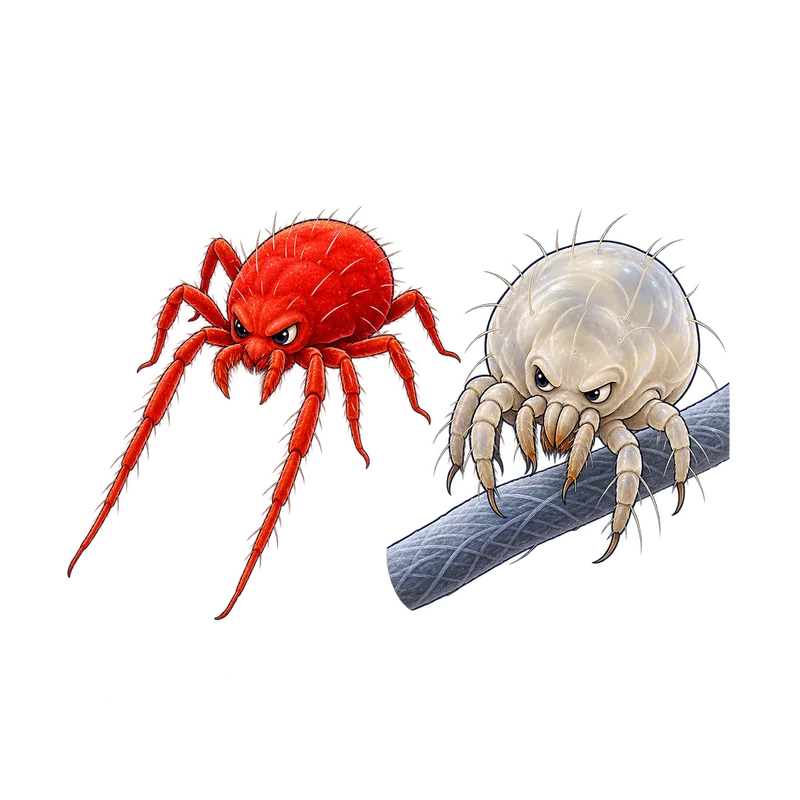
Grain mites live in dog food because kibble provides a concentrated banquet of cereal grains, rendered fats, and proteins that these pests selectively feed on. They multiply in your dog food when humidity climbs past 55 percent and indoor temperatures stay warm.
What is actually going on
Picture this. You reach into the pantry to grab the bag of dog food, and as you lift it, you notice a strange, fine, grayish-brown powder settled along the bottom seams and shelf liner. You brush it with your finger, and to your quiet horror, the dust seems to crawl. You are looking at grain mites or mold mites, and they are living in your dog food because kibble is essentially a concentrated banquet of cereal grains, rendered fats, and proteins.
Open kibble bags stored in a humid pantry, warm basement, or unsealed plastic bin act much like a dry kitchen sponge sitting next to a wet sink. They absorb unseen moisture from the surrounding air. Grain mites and storage mites cannot survive in bone-dry conditions where the relative humidity drops below 50%, but they multiply exponentially once the air grows damp and the food moisture creeps upward.
These microscopic arachnids do not arrive because your house is dirty. They usually hitch a ride from manufacturing plants, wholesale warehouses, or retail shelves inside the packaging, waiting for the right microclimate. Once temperatures hover in the warm range and the humidity climbs past 55%, a single female can lay hundreds of eggs, completing a full generation in less than 2 weeks.
You might wonder why they pick dog food over everything else in your kitchen. The answer lies in the cereal germs and powdered meals baked into the kibble. These creatures selectively feed on the most nutrient-dense parts of the grain, alongside any microscopic fungi getting a head start in the damp environment. As they crawl across the food, they physically track mold spores around, turning a simple storage mishap into a spoiled meal.
How to tell for sure
Individual mites measure only about 0.2 to 0.5 mm across, making them virtually invisible to the naked eye unless you spot them massed together. When you see what looks like a fine layer of shifting silt or moving dust on a dark pantry shelf, you are usually looking at a dense colony of live mites, cast skins, and waste debris.
A reliable field test involves taking a pinch of that suspicious pantry dust and rolling it gently between your fingers. If you catch a faint, sweet, musty, or surprisingly minty aroma, you are holding the glandular secretions of a thriving mite population. For a closer look, a standard 10x magnification hand lens will reveal slow-moving, pearly-white, oval bodies with 8 legs for adults, quite distinct from the 6-legged larvae.
You can usually tell these apart from pantry insects by their lack of wings, antennae, and hard wing covers. If you find small brown beetles or flat reddish bugs crawling through the bowl, you are dealing with drugstore beetles or flour beetles rather than mites. Mites also stay strictly focused on the food source and the damp dust around it, unlike bedroom dust mites which prefer living in mattresses and feeding on human skin flakes.
What usually comes next
The only sensible move when you spot a heavy infestation is to wrap the entire bag of dog food in heavy plastic, seal it tightly, and carry it straight to your outdoor trash bin. Do not bother trying to salvage the kibble by sifting or washing it, because microscopic mite bodies, eggs, and allergenic debris will remain behind, ruining the food's palatability and risking your dog's health.
Once the contaminated bag is out of the house, your primary task is breaking the moisture cycle that allowed the pests to take hold in the first place. Vacuum every crack and crevice of the pantry shelf where food dust collects, empty the vacuum canister outside immediately, and wash the surrounding surfaces with hot, soapy water.
Moving forward, keep your dog food out of permeable paper bags and store it inside a clean, rigid plastic, glass, or metal container equipped with a tight rubber gasket. Buying smaller bag sizes that your dog can finish within 2 to 3 weeks prevents food from sitting out long enough to attract new colonies, especially if you keep your indoor humidity strictly managed below 50%.
When to get help
Grain mites do not bite or sting, but their shed skins and waste generate heavy allergenic dust that can trigger severe allergic rhinitis, asthma, or contact skin reactions known historically as grocer's itch. If you or anyone in your household handles infested pet food and subsequently experiences persistent skin rashes, facial swelling, or breathing difficulties, consult a physician, urgent care clinic, or regional poison control center immediately.
If your dog starts showing signs of facial scratching, hair loss, digestive upset, or flat-out refuses to eat the kibble, take the animal to a licensed veterinarian for a proper checkup. Never apply any over-the-counter pesticide spray, powder, or chemical treatment directly to pet food, food bowls, or the inside of storage containers, as these products carry severe toxicity risks for pets.
Synthetic pyrethroid insecticides often used for household pest control are exceptionally toxic to cats, fish, and beneficial insects, and they must never be used carelessly around living areas. If mite infestations persist despite your best efforts to clean and lower the indoor humidity, or if you suspect hidden moisture leaks inside your walls or flooring are fueling the problem, bring in a licensed pest management professional to inspect the structure.