
Bird mites vs rat mites: why does the host source matter?
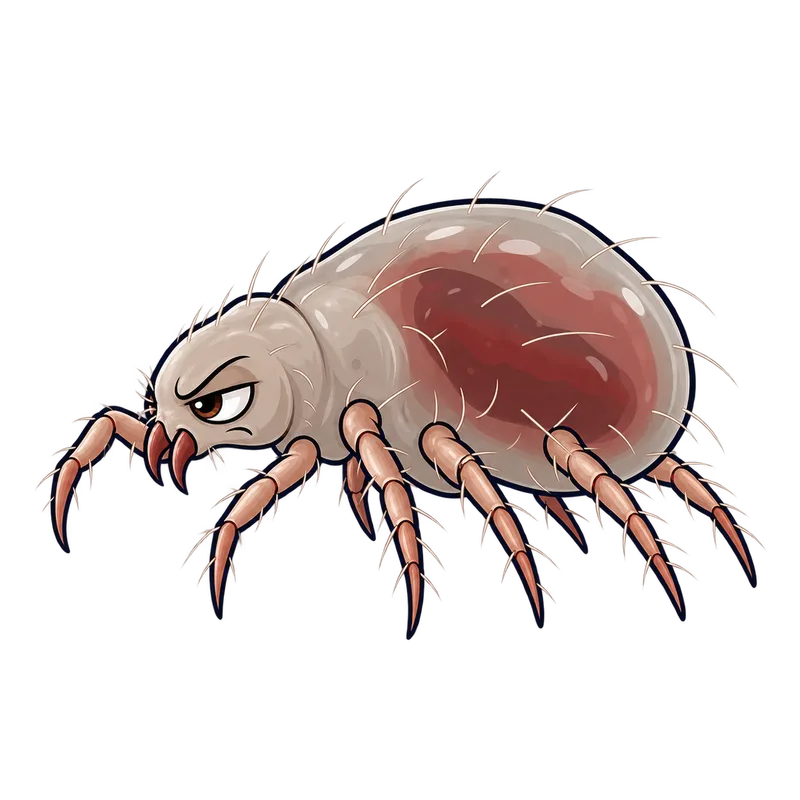
The host source matters for bird mites and rat mites because fixing the problem depends entirely on whether the pests came from an abandoned bird nest or a dead mouse in the wall. You must find the specific animal that brought them in to know how to legally handle the nest, seal entry points, and apply treatments.
What is actually going on
Picture walking into the living room on a quiet Tuesday morning, only to notice a tiny, slow-moving speck on the white windowsill that looks like a grain of freshly ground black pepper. You brush it away, but by the next day, there are more. Worse yet, you wake up with itchy, red bumps clustered around your waistband. The natural instinct is to assume something is breeding in the mattress, but these tiny visitors almost never come from inside the room itself. They are travelers from somewhere else, and whether they crawled out of an old bird nest in the eaves or dropped down from a dead mouse in the wall voids changes everything about how you fix the problem.
Bird mites and rodent mites are microscopic, blood-sucking arachnids that treat humans as an absolute last resort. Because human blood lacks the specific nutritional profile these creatures need to complete their life cycle, they cannot breed or build a permanent colony on you, your carpet, or your furniture. They only bite when their true hosts have left, died, or been removed. When an abandoned bird nest sits on a porch eave or a rodent control program clears out a nest of mice behind the baseboards, the surviving mites find themselves suddenly abandoned. Deprived of their usual meal, they migrate outward through window frames, ceiling fixtures, and utility chases into human living spaces.
This migration explains why treating the living room with an over-the-counter bug bomb usually makes things worse rather than better. Foggers spray settling mist across exposed surfaces while leaving the hidden nests, wall voids, and attic spaces completely untouched. To stop the bites, you have to look at the source. Did you recently remove a flock of starlings from the chimney, or did you just set snap traps for mice in the basement? Finding out which animal brought them in dictates every step of the cleanup.
How to tell for sure
To the naked eye, bird mites and rodent mites look nearly identical. Both measure roughly one-third of a millimeter to a millimeter in length, appearing as tiny, pale specks when unfed and turning reddish-brown after a blood meal. You can collect a few specimens by pressing a piece of clear adhesive tape against them or wiping them up with a damp cloth, but that is usually where a homeowner's ability to identify the species stops.
You usually cannot identify a mite by looking at a smartphone photograph, and you definitely cannot identify the culprit by looking at the red marks on your skin. Human immune responses vary wildly, meaning two people bitten by the exact same mite species can show entirely different skin reactions. Confirming whether you are dealing with avian or rodent parasites usually requires an entomologist or a diagnostic laboratory to examine physical specimens under twenty to fifty power magnification, checking tiny structural details like the sternal shield and dorsal setal patterns.
Even without a microscope, however, the surrounding clues usually point directly to the culprit. If the bites and crawling specks concentrate near windows, upstairs bedrooms, or ceilings directly beneath the attic, birds are usually the source. If the invasion happens a week or two after hearing scratching in the walls or setting rodent traps in the subfloor, rodents are the likely source.
What usually comes next
Deciding what to do next comes down to knowing which animal you are dealing with, because fixing a bird mite problem takes an entirely different path than dealing with rodent mites.
If birds are the source, your first task involves the nest, but timing is everything. In the United States and many other places, active nests belonging to native songbirds and migratory species are protected by federal law. If robins or swallows have an active nest with eggs or chicks sitting right above your porch or near a vent, you cannot legally remove it or spray it until the babies have flown the coop for good. Once the nest is truly empty and inactive, you can slip on gloves and a dust mask, bag the material up, block off entry points with mesh wire, and spray a residual barrier product like bifenthrin around the window frames and eaves to keep any leftover mites from marching inside.
If rodents are the case, the rules shift entirely because common mice and rats do not enjoy those same legal protections. You can set traps and seal up entry points right away. Still, you have to back up that rodent removal by dusting or spraying a mite-killing product directly into the wall cavities and along the baseboards where the mice were nesting. Leaving out the chemical step while clearing out a mouse problem basically invites trouble, since removing the host without killing the waiting mites triggers a massive wave of hungry crawlers heading straight for your bed.
When to get help
There are times when a weekend DIY project stops being enough and you need to call in backup. If wild birds are nesting deep inside your home walls or you suspect protected wildlife is involved, reach out to a licensed wildlife control professional who knows how to handle the required permits.
When mites show up across several apartments or travel through shared utility lines in a multi-family building, treating just one unit usually fails because the pests simply migrate through plumbing and ductwork from next door. That is your cue to bring in a pest management company with the tools to treat the whole building structure.
On the health front, if your skin reaction gets severe, spreads quickly, or starts looking like a secondary infection from too much scratching, such as feeling hot, leaking pus, or swelling up, get in touch with a doctor or dermatologist. Bird mites generally do not carry human diseases, but certain rodent mites like the house mouse mite can transmit rickettsialpox. If a bite turns into a dark scab and comes with a fever and a headache, go see a clinician right away.