
What is an oak leaf itch mite?
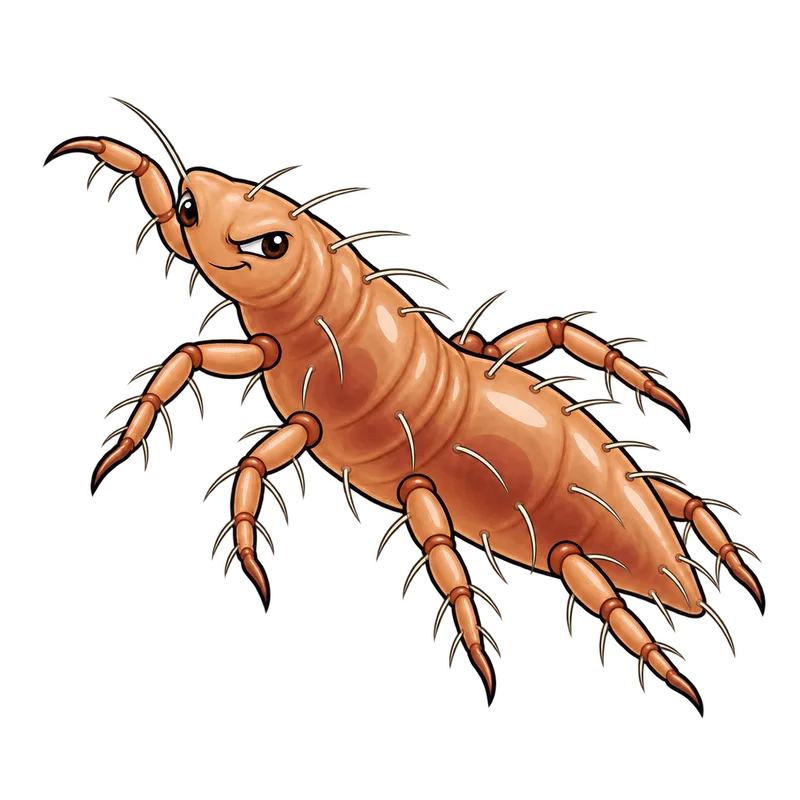
An oak leaf itch mite is a microscopic arachnid that measures about zero point two millimeters in length and drifts down from oak tree canopies on autumn breezes. While they normally prey on midge larvae inside leaf galls, these opportunistic predators occasionally drop onto people and deliver painful, fiercely itchy bites on the upper body.
What is actually going on
Picture a warm afternoon in late September. You have spent a couple of hours raking up crisp, curled leaves under the massive pin oak in your front yard, feeling pretty good about finishing the chore. By bedtime, everything seems normal. But when your alarm goes off the next morning, your neck, shoulders, and arms are covered in raised, fiercely itchy red bumps that make you want to claw your skin off. Naturally, you wonder what got into your clothes while you were outside.
The culprit is the oak leaf itch mite, known scientifically as Pyemotes herfsi. Despite the name, it does not actually eat oak leaves. Instead, this microscopic arachnid measures about zero point two millimeters in length, making it completely invisible to the naked eye as it drifts down from the tree canopy on autumn breezes. It normally lives inside tiny leaf fold galls on pin, red, and black oaks, where it preys on the larvae of gall-making midges. When those midge larvae run out or the mite population explodes inside the tree, millions of these tiny predators drop out of the branches or catch a gust of wind, blowing right onto anyone working or relaxing underneath.
Some people assume these creatures must burrow under the skin like scabies or ticks, but that is not how they operate. They are opportunistic predators that mistake human skin for a meal, trying to feed before realizing we are a dead-end target. Because they cannot reproduce on human blood or live on our bodies, they bite out of sheer confusion. You might even catch them indoors if a gentle breeze carries them through an open window screen, leaving you with unexplained bites even if you never stepped foot in the yard.
How to tell for sure
Telling these bites apart from other pests usually comes down to location and timing. If you wake up with welts clustered on your upper body, including your neck, upper chest, face, and arms, the oak leaf itch mite is a prime suspect. Chiggers, by contrast, tend to target the lower body, gathering tightly wherever clothing restricts movement like waistbands, sock lines, and undergarments. If your bites are mostly around your ankles, you are usually dealing with chiggers instead.
The timing gives the whole game away. The bite itself does not hurt at all, but the special juice the mite injects causes a delayed reaction that usually takes ten to sixteen hours to appear. That delay acts like a silent trap set for the next morning, which explains why you can bag leaves all Sunday afternoon and wake up entirely miserable on Monday without recalling a single pinch. You cannot name the culprit from the red mark alone, because dozens of insects and random rashes create identical bumps, but the mix of upper-body welts and recent time spent near oak trees points straight to this tiny predator.
What usually comes next
When you figure out an outbreak is happening overhead, your best move is a quick cleanup routine rather than wasting money on chemical sprays for the yard. Treating the tree canopy rarely helps because the mites stay safely tucked inside folded leaf galls where liquid pesticides never reach, and standard insect repellents offer pretty weak protection anyway.
Instead of waging war on your shade tree, focus on your clothes and your own skin. Jump in the shower with warm water and soap right after you finish yard work near oak trees to wash away any unbitten mites hitching a ride on you. Wash your outdoor clothes right away in hot water and run the dryer on high heat, instead of tossing them into a bedroom laundry basket where stray mites can wander off. When you know you have to rake leaves during peak season, put on tight-fitting long sleeves and long pants, and tuck your cuffs into your gloves to stop drifting mites from finding bare skin.
When to get help
The intense itching from these bites naturally leads to heavy scratching, which can break the skin and let bacteria inside. Keep a close watch for warning signs like spreading redness, growing pain, skin that feels hot, pus, or a fever, because those usually mean a secondary infection is starting. If you spot any of those signs or if your body reacts badly, call a doctor or head to urgent care.
If you want a firm identification before you change how you handle your yard, do not bother looking for the mite yourself since you cannot see it. Press a piece of clear adhesive tape against an affected outdoor surface or your clothes, stick the tape to a white index card, and take it to your local agricultural extension office or a pest lab where someone with a proper microscope can check it out.