
Dust mites vs bird mites: why is the response different?
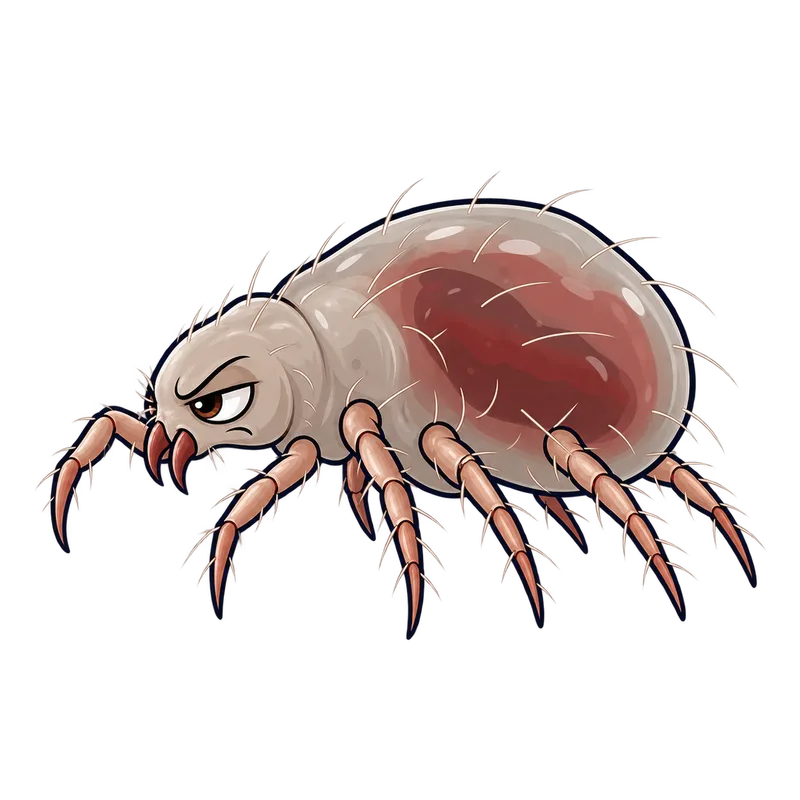
The response to dust mites versus bird mites is different because dust mites are microscopic scavengers measuring under zero point five millimeters that trigger allergies, while bird mites are visible, wandering blood-feeders measuring around zero point seven to one millimeter that bite humans. Your approach depends entirely on whether you are fighting invisible airborne allergens or migrating pests seeking a new host.
What is actually going on
Picture waking up with itchy skin, checking your arms for red marks, and immediately assuming something in your mattress is biting you while you sleep. Most people point the finger at dust mites, but that turns out to be entirely wrong. House dust mites do not bite. They are microscopic scavengers living quietly in your bedding, carpets, and upholstered furniture, feeding on the microscopic human skin flakes we shed every single day. Their impact on us is purely allergic. They produce proteins in their waste and decaying bodies that float into the air, triggering asthma, stuffy noses, and eczema when we breathe them in or brush against them.
Bird mites are a completely different creature with an entirely different agenda. Think of them as uninvited guests spilling out of a closed restaurant when the patrons leave. When fledgling birds finally fly away from a nest tucked into your roof eave or window unit, thousands of starving bird mites are left behind without a host. With nowhere else to go, they wander indoors through structural cracks and electrical fittings, searching for a fresh meal. These visible little specks will bite humans opportunistically, causing a sharp prickling sensation and intense itching.
Because one problem is an invisible airborne allergen and the other is a visible, migrating blood-feeder, your entire response has to change depending on which one you actually have. Spraying pesticide around your bedroom will not stop dust mites because killing them leaves their allergenic debris right where it is in the fabric. Meanwhile, ignoring an abandoned bird nest outside while you treat your skin indoors will leave you swimming in bird mites until you fix the source.
How to tell for sure
You usually need to look at the physical evidence rather than how your skin feels, because no one can accurately identify a pest from a bite mark or a rash alone. If you are dealing with dust mites, you will never see them crawling across your furniture because they measure under zero point five millimeters and stay hidden deep inside porous fabrics. Your clues are usually chronic morning congestion, sneezing, or worsening asthma whenever you spend time in bed or on the living room sofa.
Bird mites are entirely different because you can usually spot them if you look closely. They measure around zero point seven to one millimeter, making them visible to the naked eye as tiny, moving specks against a light-colored windowsill, baseboard, or bed sheet. If you see tiny dots wandering around shortly after birds have nested and left a nearby roofline, you are usually looking at bird mites.
To confirm what you are dealing with, press a piece of clear adhesive tape gently against the crawling speck or the surface where you found it, then stick that tape onto a clean sheet of white paper. Taking that physical sample to a university extension office or a pest control professional gives you a real answer, whereas guessing based on an itchy arm usually leads to treating the wrong problem entirely.
What usually comes next
Once you have a confirmed identification, your next move relies completely on whether you are fighting invisible allergens or wandering blood-feeders. If you are dealing with dust mites, your main job is environmental engineering and physical removal. Dropping your indoor relative humidity below fifty percent with a dehumidifier stops them from absorbing the moisture they need to survive. You will also want to wrap your mattresses and pillows in zippered, tightly woven allergy-proof covers, and wash your sheets weekly in water heated to at least one hundred thirty degrees Fahrenheit. Pulling up thick carpets for hard floors and vacuuming with a machine fitted with a high-efficiency particulate air filter will actually pull those triggers out of the room instead of blowing them back into the air you breathe.
If your visitor is a bird mite, the playbook flips toward cutting off the source and blocking their path. You need to check your roof edges, overhangs, and window air conditioners for abandoned bird nests. When the nest belongs to unprotected invasive pests like starlings or pigeons, or if you make sure the nest is totally empty without any remaining eggs or chicks, put on gloves and bag up the mess to throw in the trash right away. Wipe down hard surfaces with a damp cloth, vacuum up any stray indoor mites using a bag you can toss out immediately, and seal up cracks or gaps with caulk so more visitors cannot march inside. If you need to use residual chemical sprays along their travel routes, read the product label instructions with care or hire a licensed applicator to do it safely.
When to get help
Some scenarios mean you have to stop what you are doing and call in backup. If you find active nests belonging to protected native birds like swallows or robins sitting in your eaves with live chicks or eggs inside, federal laws guard them, and you cannot legally move or disturb those nests until the young birds fly away on their own. You have to stick to indoor barriers and basic cleaning until the birds clear out.
You should also bring in a professional pest control company if the indoor invasion keeps growing or if you suspect those crawling specks might actually be rodent mites coming from mice or rats nesting inside your walls. On the health side, if you end up with severe skin infections from scratching bite marks, widespread hives, or sudden breathing trouble like a serious asthma attack, skip the home fixes and call a doctor, urgent care clinic, or allergy specialist right away.