
Can bird mites be found in a bed?
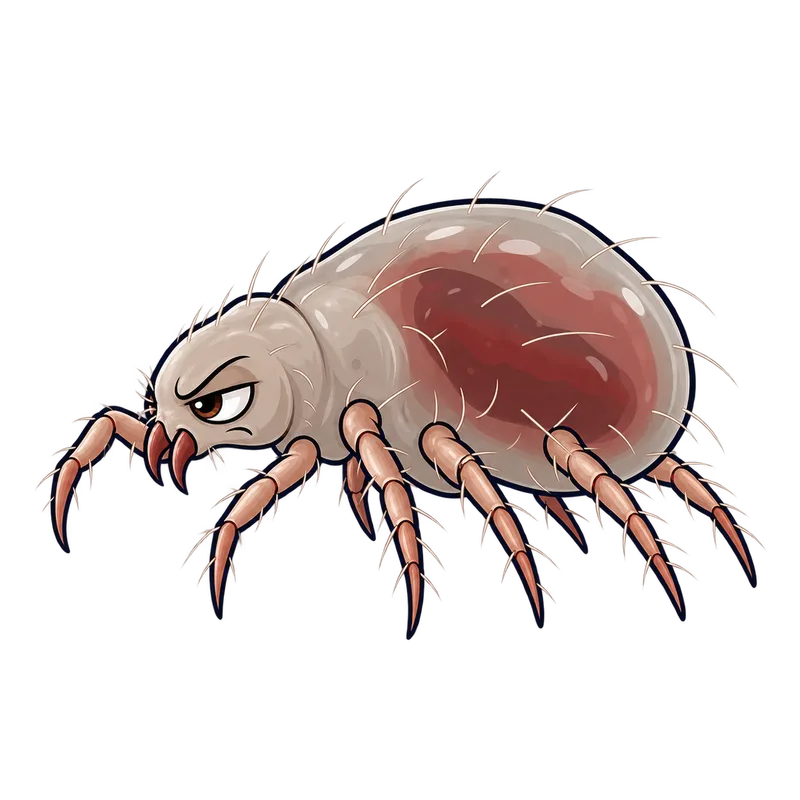
Yes, bird mites can be found in a bed, but they do not live there permanently. These tiny parasites, measuring under 1 millimeter long, only wander indoors when an abandoned bird nest leaves them starving and desperate for a host. They cannot reproduce on human blood and will quickly die off once you remove their original nesting source outside.
What is actually going on
You strip the sheets off the bed on a lazy Saturday morning, and out of the corner of your eye, you spot something tiny sprinting across the fitted sheet. It is smaller than a poppy seed, barely a speck, yet it moves with surprising urgency. Naturally, your mind leaps straight to the worst-case scenario. You wonder if bird mites can actually be found in a bed.
The short answer is yes, they can, but almost never because they live there permanently. Bird mites are tiny, specialized parasites that depend entirely on birds, such as starlings, sparrows, or pigeons, along with their nests. Under normal circumstances, these mites stay tucked away in the feathers of their hosts or cluster inside the nesting material tucked beneath roof tiles, inside gutters, or behind window air conditioning units. They have zero interest in human beds until something goes wrong with their living arrangements.
That displacement usually happens when the birds leave. Whether the nestlings grow up and fly away, the adult birds abandon the site, or the flock moves on, the nest suddenly goes cold and empty. Deprived of their primary food source, thousands of hungry mites find themselves in an abandoned nesting site with nothing to eat. Driven by sheer starvation, they begin to wander outward in every direction, squeezing through tiny gaps in ceiling vents, electrical conduits, window frames, and wall voids.
In their frantic search for a warm body, they frequently drop down through overhead fixtures or crawl up furniture legs, landing right on your mattress. They will bite sleeping humans out of pure desperation, leaving behind intensely itchy welts that drive people crazy. Yet, unlike true bed bugs, bird mites cannot reproduce or maintain an ongoing population on human blood alone. Once they migrate into a bedroom, they are living on borrowed time.
People often assume that any bug found biting in a bed is a bed bug, or that a mysterious rash proves an infestation is underway. In reality, bird mites look entirely different from bed bugs, and skin reactions are usually a terrible way to identify a pest. A mature common bed bug is about the size of an apple seed, sporting a flat, broad, mahogany body. A bird mite is roughly the size of a pinhead speck, measuring under 1 millimeter long. Unfed mites appear pale or clear, while ones that have recently fed look like tiny dark red or blackish dots scampering across white linens.
Because they are so small, you usually need a simple hand lens with 10x magnification to see their 8 legs and distinguish them from insects like fleas or booklice. If you suspect bat bugs or swallow bugs instead, telling them apart from true bed bugs usually requires specialized laboratory equipment and a close look at microscopic fringe hairs on the insect collar.
Relying on bite marks alone is a trap. About 20% to 30% of people show zero physical reaction to insect bites, while others develop angry red welts or papules days later. Your immune system dictates the rash, not the species of the bug. Definitive identification usually requires capturing a live specimen on clear tape and examining it under proper magnification rather than guessing based on an itchy arm.
How to tell for sure
The single most practical decision you can make is to stop treating the mattress and start searching the exterior or attic for the abandoned bird nest that caused the invasion in the first place. Spraying pesticides blindly onto your sheets or hiring an exterminator for a heavy-duty bed bug heat treatment misses the entire point of the problem. If the mites are coming from an active or abandoned nest tucked into your roof eaves or a window unit, killing the wanderers in your bedroom will only offer temporary relief until the next batch marches down the wall void.
Track down the source by inspecting your attic, gutters, and any nearby bird activity near your bedroom windows. Once you locate the empty nest, remove it carefully while wearing gloves and a mask, seal the debris inside a heavy plastic bag, and discard it in an outdoor trash bin. After the source is removed, seal up any structural gaps with caulk or silicone to stop remaining stragglers from getting inside. Vacuum the bedroom thoroughly using a machine with a high-efficiency particulate air filter, empty the canister or bag immediately outside, and launder your bedding in hot water. Once the food source and the nest are gone, the mites usually die off on their own without needing harsh chemical overhauls.
What usually comes next
There are moments when trying to handle a biting pest situation on your own crosses a line into hazard, and you need to bring in outside help. If you find an active nest belonging to native migratory birds, federal and local laws often protect them, making it illegal to disturb or remove the nest until the fledglings have naturally departed. In that situation, you must wait out the nesting season or call a licensed wildlife control operator who knows how to work within the legal protections.
You should also look for professional assistance if you suspect a concurrent bat or rodent infestation in your attic or walls. Bat bugs and tropical rat mites require completely different exclusion techniques, and handling bats yourself carries severe rabies risks and legal penalties.
When to get help
On the medical side, if intense scratching breaks the skin and leads to secondary bacterial infections marked by spreading redness, pus, or fever, you should see a healthcare clinician or visit an urgent care clinic. When chemical treatments feel overwhelming or you need targeted pesticide applications around sensitive areas, turn to a licensed structural pest management professional who understands how to apply products safely without risking your family or pets. Keeping your focus on the real source outside rather than panic inside will clear up the mystery before you know it.