
Are concrete mites harmful to humans?
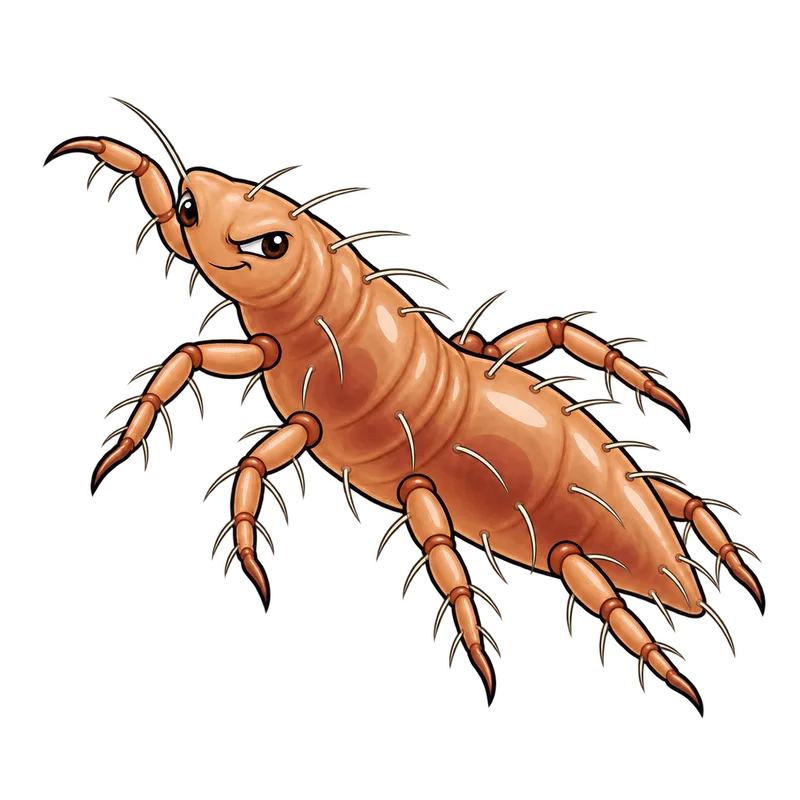
No, those bright red concrete mites you see darting across sun-warmed outdoor surfaces are generally harmless to humans and do not cause bite rashes. They feed on algae, moss, and organic matter while paying zero attention to your skin. The mysterious itchy bumps you get after raking leaves usually come from microscopic oak leaf itch mites instead.
What is actually going on
Imagine it is a warm afternoon in late October. You spend a couple of hours raking up dry leaves beneath the big oak trees in your front yard, feeling entirely fine while you work. There are no mosquitoes buzzing around and no obvious bugs crawling on your skin. Yet by the following morning, your neck, shoulders, and arms are covered in raised, intensely itchy red bumps. Naturally, you wonder what got you. If you spotted tiny, fast-moving red specks on the concrete patio earlier in the season and heard people call them concrete mites, you might blame those sidewalk wanderers for your misery.
The short answer is no, those bright red mites you see darting across sun-warmed concrete are generally harmless to humans and do not cause bite rashes. Those sidewalk visitors feed on algae, moss, and organic matter, paying zero attention to your skin. The microscopic culprits behind mysterious autumn bite outbreaks usually come from a different source entirely, most notably the oak leaf itch mite. These creatures are so small that they measure a fraction of a millimeter in length, meaning they look like a speck of dust or a tiny grain of pepper. You cannot see them landing on you, and because they inject a numbing agent when they contact your skin, you will not feel a thing at the time.
The trouble starts because these tiny predators usually feed on midge larvae hidden inside leaf folds high up in oak trees. When local prey populations drop or when late summer winds pick up, millions of these mated female mites drop or blow out of the tree canopy. They land on anyone standing underneath or drift indoors through standard window screens. Once they touch human skin, they mistake us for an insect host and inject a paralyzing saliva. Your body reacts to those proteins hours later, resulting in those angry, delayed papules that drive you crazy with itching.
Trying to figure out what bit you by looking at a photograph of a red bump is usually a fool's errand. Medical professionals and pest experts agree that individual immune responses vary wildly, meaning two people can brush against the exact same mite and end up with completely different skin reactions, ranging from a mild pink mark to a large, blistered wheal. A photograph cannot capture the invisible scale of these animals, and a skin lesion alone will never give you a reliable species name.
If you want to know for sure what you are dealing with, you usually need a physical specimen captured under magnification using a stereoscope or compound microscope. But you can still use circumstantial clues to narrow things down. If your bites concentrate on your lower body around sock lines or waistbands where clothing fits tightly, you are usually looking at the work of chiggers lingering in low grass and soil.
If your bites appear exclusively on your upper body, such as the neck, shoulders, chest, and arms, and you spent time near oak trees or handled fallen leaves a day earlier, you are usually dealing with oak leaf itch mites. Another common group includes bird or rodent mites, which wander into living spaces when wild birds abandon nests in your eaves or rodents leave their wall voids. These opportunistic biters cause a sudden prickling sensation, but they usually cannot reproduce on human blood and will eventually die off once their animal hosts are gone.
How to tell for sure
Since you now know that these microscopic visitors cannot set up a permanent home on your body or feed on you indefinitely, your main practical decision usually boils down to breaking the exposure cycle and keeping your skin intact. If you have an active outbreak after working in the yard, skip the temptation to spray harsh chemicals into your tree canopy. Standard miticides or tree sprays fail to reach these creatures because they are safely protected inside folded oak leaves high above your head, making canopy spraying an ineffective waste of time and effort.
Instead, focus your energy on immediate personal hygiene and clothing management. The next time you rake leaves or clear yard debris under mature trees, wear long sleeves, long pants, and gloves. As soon as you come back inside, strip off those clothes, toss them straight into a hot washing machine and a high-heat dryer cycle, and step right into a warm, soapy shower. This simple routine washes away any unbitten mites clinging to your skin or garments before they have a chance to inject their saliva.
You can soothe your skin with over-the-counter options like calamine lotion, hydrocortisone cream, or a daily oral antihistamine. The single most important rule here is to avoid scratching those bumps. Mites do not transmit blood-borne pathogens or diseases, but tearing your skin open with your fingernails breaks the natural protective barrier, letting ordinary environmental bacteria in and creating a painful secondary skin infection that requires a doctor's visit.
What usually comes next
Most minor bite reactions from opportunistic outdoor mites clear up on their own within a week if you resist the urge to scratch. However, certain situations mean you need to step back and call in outside help. You should seek immediate medical evaluation from a clinician or visit an urgent care center if your bite sites start showing signs of a secondary bacterial infection, such as spreading redness, warmth, pus, increasing swelling, or worsening pain. If any bite or sting triggers severe symptoms like difficulty breathing, swelling in your face or throat, dizziness, or widespread hives, treat it as a medical emergency and call for help right away.
On the property management side, you need a professional when the biting pests originate from hidden animal nests inside your home. If bird mites or rodent mites keep appearing in your living spaces because starlings, pigeons, or mice have moved into your attic, chimney, or wall voids, you cannot simply spray a household bottle of insecticide and hope for the best.
Many native bird species and their active nests are protected by law, meaning you cannot disturb or remove them while eggs or young are present. Bats are similarly protected by various wildlife regulations. When structural exclusions or wildlife removals are required, you must rely on a licensed pest management professional or a qualified wildlife control operator who knows how to handle the situation legally and safely without breaking state or federal rules.
When to get help
If you experience severe systemic reactions, heavy bite loads reaching into the hundreds, or signs of secondary infection, you should consult a qualified healthcare provider immediately. For accidental pesticide exposure or misuse, call poison control without delay. Property owners dealing with persistent structural infestations tied to protected wildlife or complex wall voids should contact a licensed pest control operator.