
What do cicada mite bites look like in pictures?
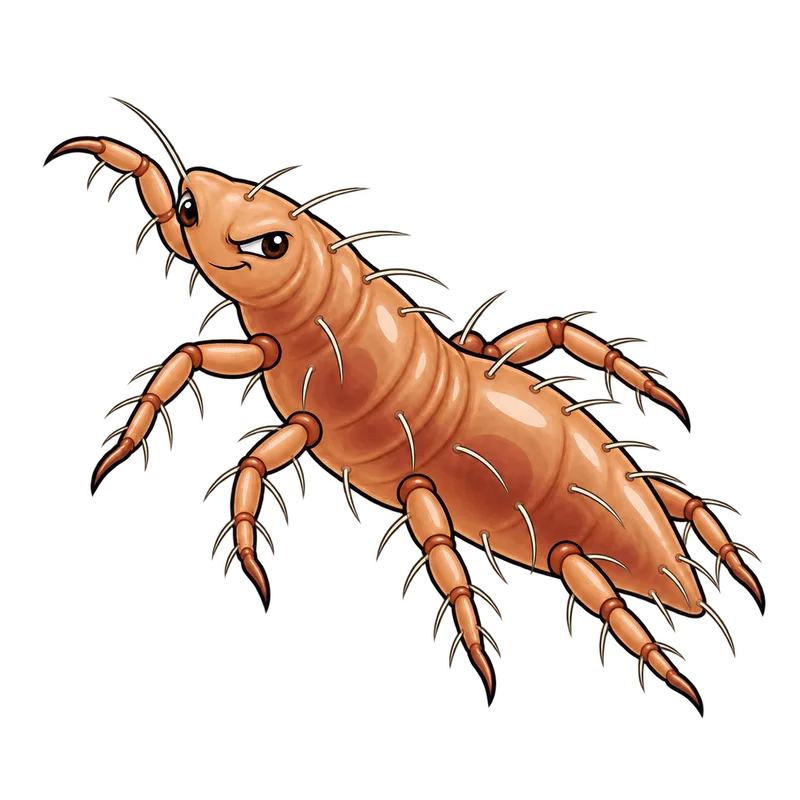
Cicada mite bites appear as raised, red, and inflamed bumps topped with a small, pinpoint blister that form a distinct welt. These lesions usually concentrate on the upper body, such as the neck, face, and shoulders. Because human immune responses vary wildly, looking at a photograph is completely non diagnostic.
What is actually going on
You spent Saturday afternoon raking up those stubborn pin oak leaves in the yard, enjoying the crisp autumn air. By Sunday morning, your neck, shoulders, and chest are driving you crazy with red, angry bumps that look like tiny pimples with fluid in the middle. Naturally, you grab your phone and start hunting for pictures of bug bites, hoping to match those angry red dots to a culprit.
If you are searching for what cicada mite bites look like in photographs, you are likely looking at a raised, red, inflamed bump topped with a small, pinpoint blister. These lesions usually form a distinct welt, and they tend to concentrate on the upper body where the skin is exposed to falling debris or drifting air currents.
The frustrating part is that you will not feel a thing when the encounter happens. These creatures are about zero point two millimeters long, which is roughly the width of a fine hair or a single grain of table salt. Because they are practically invisible to the naked eye, you never feel them land, crawl, or probe your skin.
To make matters more confusing, there is a distinct time delay before you ever notice anything is wrong. The itching and visible redness generally do not show up until ten to sixteen hours after the microscopic bite actually occurred. That delay is usually why people wake up scratching on a Monday morning and completely misattribute the reaction to whatever they touched five minutes ago, or worse, blame their mattress for a sudden invasion of bed bugs.
It is tempting to think a quick glance at a photo online will give you a definitive answer, but medical experts and entomologists agree that looking at a picture of a skin lesion is completely non-diagnostic. Human immune responses vary wildly from person to person. Some people break out in broad, angry welts exceeding one centimeter, while others experience zero visible reaction at all.
Furthermore, the physical marks left by the oak leaf itch mite look nearly identical to the reactions caused by chiggers, fleas, bed bugs, bird mites, rodent mites, and even certain types of contact dermatitis. A red bump with a central blister is a standard human allergic response to a puncture and a dose of saliva, not a trademark signature unique to one single species.
If you are trying to puzzle out the source, location on the body usually offers a reliable clue. Unlike chiggers, which typically bite down low where tight clothing restricts movement around the socks, ankles, and waistband, cicada mite bites usually cluster on the upper body. Think of the neck, face, upper chest, arms, and shoulders where microscopic mites drift down from overhead tree canopies or blow through open windows on a breezy afternoon.
The only way to confirm the identity of the pest for sure is to capture a physical specimen and examine it under magnification. Because these mites are so tiny, you would typically need a hand lens with at least tenfold magnification or a microscope to spot the diagnostic structures required by a university extension lab or a professional entomologist.
How to tell for sure
When you are dealing with angry, itching bumps and wondering whether to spray your trees or buy specialized traps, the most practical decision you can make right now is to stop looking for a chemical fix for your trees and focus entirely on personal hygiene and physical barriers instead.
People often assume they need to hire a tree service to spray the canopies in their yard, or they rush to coat their skin in heavy chemical insect repellents like DEET. Unfortunately, tree sprays usually fail because these mites live safely tucked away inside sealed leaf galls or tiny twig slits out of reach of liquid insecticides. Standard mosquito repellents also provide inconsistent and incomplete protection against them, leaving you with a false sense of security.
Instead, direct your energy toward managing your immediate exposure and soothing your skin. If you have been working in the yard, step into the shower immediately and wash thoroughly with warm water and soap to rinse away any unattached mites before they have a chance to probe your skin. Toss your outdoor clothes straight into the washing machine and run them on a hot cycle, followed by high heat in the dryer.
If the itching is driving you up the wall, stick to basic self care. Apply cool compresses to calm the burning sensation, and consider using over-the-counter calamine lotion or a mild hydrocortisone cream. The hardest part is simply resisting the urge to scratch, because tearing open those tiny central blisters is the fastest way to invite a secondary bacterial infection into your skin.
What usually comes next
Most minor bite reactions settle down within a few days if you keep your hands off them, but certain warning signs mean it is time to step away from home remedies and bring in outside help. If the redness around the bumps begins to spread, the skin feels hot to the touch, you notice red streaks radiating outward, or pus begins to form in the blisters, you should consult a clinician or visit an urgent care center right away. Those are classic indicators of a secondary bacterial infection that may require professional medical treatment.
You also need immediate emergency medical evaluation if you experience severe allergic symptoms. Watch closely for facial or oral swelling, hives spreading across the body, difficulty swallowing, wheezing, or shortness of breath. While incidental bites from these microscopic mites rarely trigger systemic reactions, severe hypersensitivity is always a possibility when dealing with insect and arthropod saliva.
When to get help
If you are managing an ongoing problem on a property and need to confirm exactly what pest you are dealing with before taking further steps, reach out to your local university agricultural extension office or a state department of agriculture. They can guide you on how to capture and submit physical specimens for proper identification, and any large-scale pest control or pesticide applications on a property must always be handled by licensed professionals who strictly follow product label directions.