
What do cicada mite bites look like?
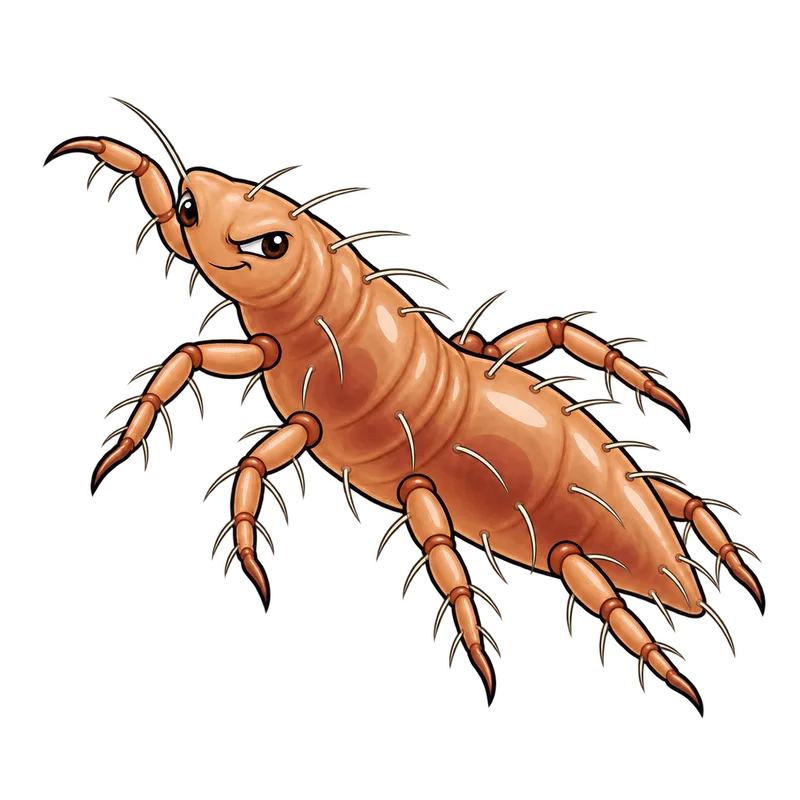
A cicada mite bite appears as a small, raised red welt or papule with a distinct, tiny pinpoint blister right in the center. These itchy welts are typically concentrated on exposed upper body surfaces like the neck, face, chest, shoulders, and arms.
What is actually going on
You spent Saturday afternoon raking up a mountain of crisp pin oak leaves in the backyard, enjoying the autumn breeze, and you went to bed feeling entirely normal. By Sunday morning, your neck, shoulders, and arms are covered in raised red bumps that itch with a maddening persistence. Naturally, your mind races to bed bugs, mosquitoes, or whatever else might be lurking in the sheets. But if you have been spending time beneath large oak trees during late summer or fall, you might actually be dealing with the microscopic culprit known scientifically as Pyemotes herfsi, or the oak leaf itch mite, frequently called the cicada mite.
So, what do these bites actually look like? Visually, a cicada mite bite appears as a small, raised red welt or papule with a distinct, tiny pinpoint blister right in the center. The initial bite is completely painless and goes entirely unnoticed because the mite measures less than a millimeter long, meaning it is essentially invisible to the naked eye. You never feel the bite happen.
Instead of immediate pain, the reaction is delayed. The intense itching and the characteristic rash usually take anywhere from ten to sixteen hours to appear. Because these mites drop from tree canopies or drift on the wind, they tend to land on exposed upper body surfaces or slip down inside loose collars. That is why you will typically find the welts concentrated on your neck, face, chest, shoulders, and arms, rather than around your ankles or waistline.
The tiny creatures responsible for this seasonal misery are opportunistic predators. In typical years, they feed on midge larvae tucked inside oak leaf galls. During years marked by massive periodical cicada emergences, however, female mites discover an endless food supply inside the egg nests that cicadas slice into tree twigs. This abundance triggers an explosive population boom, sending hundreds of thousands of mites tumbling out of the canopy every single day.
When these mites land on humans, they attempt to feed by injecting a specialized saliva containing paralyzing compounds. Humans are accidental hosts, so the mites do not burrow under the skin or stay attached. The red welts and intense itching you experience are actually a delayed allergic reaction to that injected saliva. Because the wind can carry these microscopic organisms for hundreds of yards, they easily drift through standard window screens and land on people who are simply relaxing indoors near infested shade trees.
How to tell for sure
It is tempting to snap a quick photo of your skin, paste it into a search engine, and expect a definitive answer. Unfortunately, medical professionals and entomologists will tell you that physical lesions alone cannot visually distinguish a cicada mite bite from almost any other arthropod encounter. Those red welts with tiny central blisters usually mimic the exact presentation of bed bug bites, flea bites, bird mites, or mosquito storks.
To complicate matters further, recovering the actual pest from human skin is nearly impossible given its microscopic scale. Adult cicada mites measure between zero point two and zero point eight millimeters, which is roughly the size of a fine grain of table salt or a speck of dust. Unless you capture a physical specimen under a laboratory microscope, you usually cannot get a confident identification from a visual inspection of the skin alone.
Instead of staring at the rash, look at your recent environment to gather clues. If your bites are isolated to your upper body and you spent time outdoors near pin oaks or during a regional periodical cicada emergence, cicada mites become a strong suspect. Conversely, if the bites line up neatly around your ankles or the band of your socks, you are usually looking at chiggers or fleas rather than something that drifted down from a tree canopy.
What usually comes next
When the itching starts keeping you awake, your main priority is finding relief and keeping the skin intact. The most practical decision you face right now is how to manage the symptoms without accidentally making things worse through excessive scratching. Because the bites provoke an intense allergic reaction to the saliva injected by the mite, over-the-counter anti-itch treatments like calamine lotion, hydrocortisone cream, or standard oral antihistamines can usually help quiet the relentless itch.
- Strip off your outdoor clothing immediately after coming indoors.
- Wash those garments in hot water and dry them on high heat to eliminate any stray mites.
- Take a thorough shower with soap and warm water to rinse away microscopic passengers from your skin and hair.
The primary complication with these bites is not the mite venom itself, but secondary bacterial infection. When you scratch those tiny central blisters open, you introduce ordinary skin bacteria directly into the broken tissue, which can turn a simple patch of irritation into a painful, infected sore.
When to get help
Most cicada mite rashes run their course and heal within a week or two with basic over-the-counter care, but certain warning signs mean you need to step away from home remedies and consult a licensed physician or visit an urgent care clinic. If your skin shows signs of a secondary bacterial infection, such as increasing redness, swelling, warmth, tenderness, or pus oozing from the welts, a medical evaluation is necessary.
You should also seek professional medical attention immediately if you experience widespread hives, facial swelling, trouble breathing, or other systemic symptoms. While rare, individuals who receive a massive number of bites at once can experience severe systemic reactions that require prompt clinical intervention.
If you are trying to figure out what is happening in your yard or want confirmation before attempting any property management, reach out to a university extension diagnostic laboratory or a licensed pest control professional. They can examine physical specimens under proper magnification and help you determine the correct course of action for your specific property.