
Do “dust mite bites” actually point to another cause?
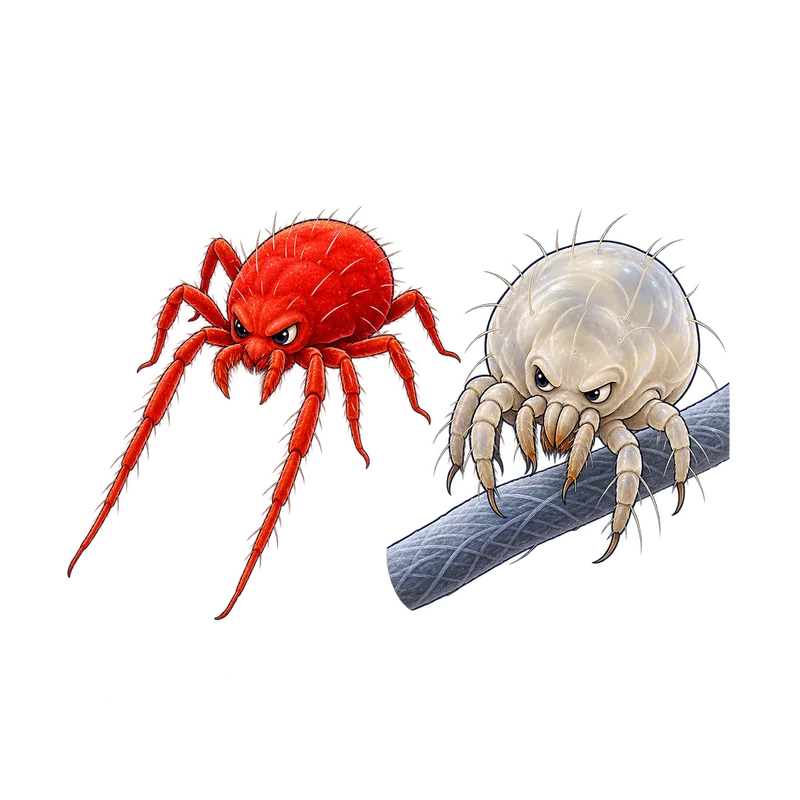
Yes, so-called dust mite bites actually point to other causes because house dust mites lack the mouthparts required to pierce human skin or feed on blood. When people experience these marks, it usually means their immune system is having an allergic reaction to dust mite proteins or actual biting parasites like bed bugs are sharing the space.
What is actually going on
You wake up, scratch a row of angry red welts on your arm, and immediately check the mattress seams. You assume dust mites are the culprits. After all, everyone talks about them living in pillows and mattresses. It feels logical that microscopic bugs in your bed are chewing on your skin while you sleep.
Except house dust mites cannot bite you at all. They lack the mouthparts required to pierce human skin or feed on blood. Instead, they survive entirely on the microscopic flakes of human dander and skin scales that naturally shed into carpets, upholstered furniture, and beds. Blaming a dust mite for a skin bite is a bit like blaming tree pollen for a bee sting. Pollen can make your eyes water and your skin itch if you are allergic to it, but it does not have a stinger. Dust mites can trigger misery through airborne or contact proteins in their waste and shed skins, but they simply do not have the equipment to bite.
When people experience what they call dust mite bites, two entirely different things are usually happening. Either your immune system is reacting to dust mite proteins through a non-biting allergic skin reaction, or something else entirely is sharing your space. You might be dealing with actual parasitic arthropods that can bite, such as bed bugs, bat bugs, bird mites, rodent mites, fleas, or tiny predatory mites falling from trees.
How to tell for sure
Pinpointing the exact cause of skin welts usually requires more than a glance in the mirror. Medical professionals generally agree that dermatologists cannot definitively identify a pest species just by looking at a photograph of a skin lesion or a row of bumps. Individual immune responses vary so widely that two people bitten by the exact same insect can show entirely different skin reactions. One person might develop large, inflamed welts, while another shows no reaction at all.
To figure out what is really going on, you need to look for physical evidence in your environment rather than guessing based on the marks on your skin. An adult bed bug is about the size of an apple seed and visible to the naked eye, leaving dark ink-like spots on fabric. Bird and rodent mites look like tiny moving specks the size of a grain of salt, often appearing in large numbers near windows or ceilings when their animal hosts abandon a nest in the eaves or walls. Oak leaf itch mites are entirely invisible to the naked eye, measuring a fraction of a millimeter, and usually cause bites clustered on the upper body like the neck and shoulders after you have spent time outdoors near pin oaks in late summer or autumn.
If you manage to collect a few specimens, pressing them onto a piece of clear tape stuck to a white card or dropping them into a small jar with some rubbing alcohol will help you keep them intact for a closer look. Telling a bed bug apart from a bat bug, for example, typically calls for someone with a microscope to check the tiny fringe hairs along the insect body.
What usually comes next
Try to resist the temptation to grab random aerosol cans or bug foggers just because you woke up with mystery marks. Total release bombs rarely push deep enough into the crevices where bugs actually hide, and they usually just scatter the pests into the next room. A better approach is to start with a careful look around your bed, the baseboards, and any nearby cracks in the walls to find out what is really there.
If a doctor tells you that you are dealing with a dust mite allergy rather than actual insect bites, your daily routine needs to shift toward managing your indoor environment. You can cut down on exposure by wrapping your mattress and box springs in zippered protective covers, tossing all your sheets and pillowcases into hot water once a week, running a dehumidifier to keep indoor humidity under fifty percent, and vacuuming floors with a machine that uses a high efficiency particulate air filter. When you find actual biting parasites, your next move depends entirely on where they came from. Parasites from birds or rodents mean you need to clear out any abandoned nests and seal up the holes they used to get inside, while bat bugs call for professional wildlife help because bats enjoy legal protection and cannot just be knocked down or handled on a whim.
When to get help
Some situations simply demand that you drop the do-it-yourself routine and call in someone who does this for a living. If those skin bumps come with serious warning signs like trouble breathing, a tight throat, or dizziness, get emergency medical help right away. Constantly scratching at itchy spots can also break open your skin and let bacteria in, which leads to secondary problems like deep skin infections that need a doctor's attention.
You will also want to bring in licensed experts when the issue involves structural repairs or legal limits. Dealing with established bed bugs usually calls for a licensed pest control operator who can use integrated methods like heat treatments or targeted applications instead of store-bought sprays. When bird nests or bat colonies tucked away in your attic or walls start sending biting mites or bat bugs into your living space, working with licensed wildlife specialists is the only way to ensure the removal follows local and federal protection laws.