
What signs distinguish an infestation from a single accidental visitor?
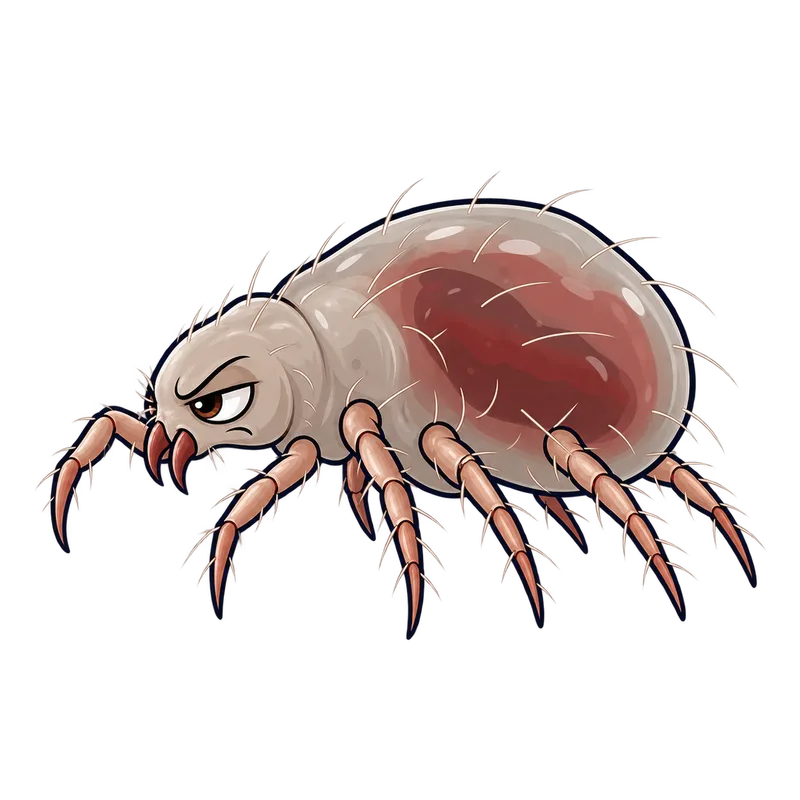
Finding a single adult male insect usually means you have an accidental visitor, whereas an infestation is proven by active indoor breeding signs like eggs, translucent juvenile nymphs, and shed cast skins in the same general area. An accidental stray wanders in looking for warmth or shelter and will usually perish on its own, while an infestation consists of a self-sustaining community leaving physical evidence of a permanent stay.
What is actually going on
You spot a single creepy-crawly marching across your living room rug, and your mind instantly leaps to the worst-case scenario. Are you looking at a rogue wanderer that just slipped through a cracked patio door, or is this the vanguard of an underground army setting up camp in your wall voids? It is a classic moment of household panic, usually accompanied by a frantic hunt for a rolled-up magazine.
The short answer is that a single visitor is just a tourist that took a wrong turn, while an infestation is a self-sustaining community with a lease, a nursery, and a garbage pile. An accidental stray wanders in from the great outdoors looking for warmth, moisture, or shelter from the late-summer cooling. Once inside, these occasional invaders usually lack the environmental conditions or the social group to reproduce indoors, meaning they will either pack it in or perish on their own.
An infestation is a completely different beast. It means a biological population has successfully crossed the threshold from transit to residency. They are breeding, expanding their footprint across your structural framing or furniture joinery, and leaving physical evidence of a permanent stay. When you are trying to figure out which camp your uninvited guest belongs to, you have to look past the single live bug and hunt for the artifacts they leave behind.
How to tell for sure
To separate a stray from a settled colony, you need to play detective and look for permanent signs of residence. Finding a single adult male insect usually means you have an accidental visitor on your hands. Finding eggs, translucent juvenile nymphs, and shed cast skins in the same general area proves active indoor breeding.
Harborages are where pests gather, and they tend to leave a mess. If you are dealing with bed bugs, for instance, you will usually notice concentrated fecal spotting that looks like dark ink dots along mattress seams or baseboards, alongside tiny cream-colored, curved eggs glued securely into tight crevices.
Wood-destroying organisms leave entirely different clues. Subterranean termites build pencil-thin, brown earthen mud tubes across concrete foundation walls to bridge open air and protect themselves from drying out. Drywood termites do not touch soil at all, but they leave distinct piles of six-sided, concave fecal pellets that look like tiny grains of sand pushed out of kick-out holes in timber. Carpenter ants do not eat wood, but they excavate smooth nesting galleries and push out coarse, shredded sawdust mixed with dead insect parts.
Keep in mind that skin bites and dermatological reactions cannot identify a pest species. Human immune systems vary wildly, and bites from bird mites, fleas, bed bugs, and mosquitoes often look identical on the skin. You cannot build a case on a red welt alone.
What usually comes next
When you spot a solitary insect without any eggs, shed skins, fecal clustering, or structural damage, your next move should be patience instead of panic. This is the moment for targeted monitoring with interceptor traps or plain glue boards rather than launching a broad-scale chemical application across your entire living room.
If you suspect an accidental fall invader like a boxelder bug or a stink bug, your best defense is simply exclusion. Seal up foundation cracks, siding gaps, and utility penetrations with silicone caulk, and make sure your door sweeps and window screens fit tightly. Swapping out standard white incandescent exterior light bulbs for yellow bug lights can also cut down on the flying prey that draws spiders and other predators right to your doorways.
If your monitoring turns up actual physical evidence of breeding, such as multiple life stages or structural damage, you have crossed the line into active management. At that point, you need to rely on physical defenses like encasements for mattresses or targeted desiccant dusts applied sparingly into hidden cracks and crevices where pests actually aggregate.
When to get help
There are moments when do-it-yourself observation and simple exclusion tactics are no longer enough, and you need to hand the keys over to a professional.
Any visual evidence of structural wood-destroying organisms requires a licensed inspector. If you find subterranean termite mud tubes, drywood termite pellet piles, carpenter ant frass, or powderpost beetle holes, you need a commercial pesticide applicator or a certified wood-destroying organism inspector to assess the damage. Real estate transactions involving government-backed loans also strictly mandate formal reporting on standardized inspection forms by certified professionals.
When bed bug signs extend beyond a single bed to adjacent furniture, living rooms, or neighboring apartment units, standard do-it-yourself efforts usually fall short. Multi-room infestations require a comprehensive professional eradication plan that might involve specialized thermal treatments or multi-room insecticide rotations.
Finally, if your uninvited guests turn out to be biting bat bugs or bird mites, the root of the problem is often a wildlife issue in your attic or eaves. Because bats are protected wildlife in many regions, handling or excluding a roosting colony during nursery season is illegal and must be left to licensed wildlife control operators using one-way exclusion valves.