
Oak leaf itch mite bites vs chigger bites: how can you tell?
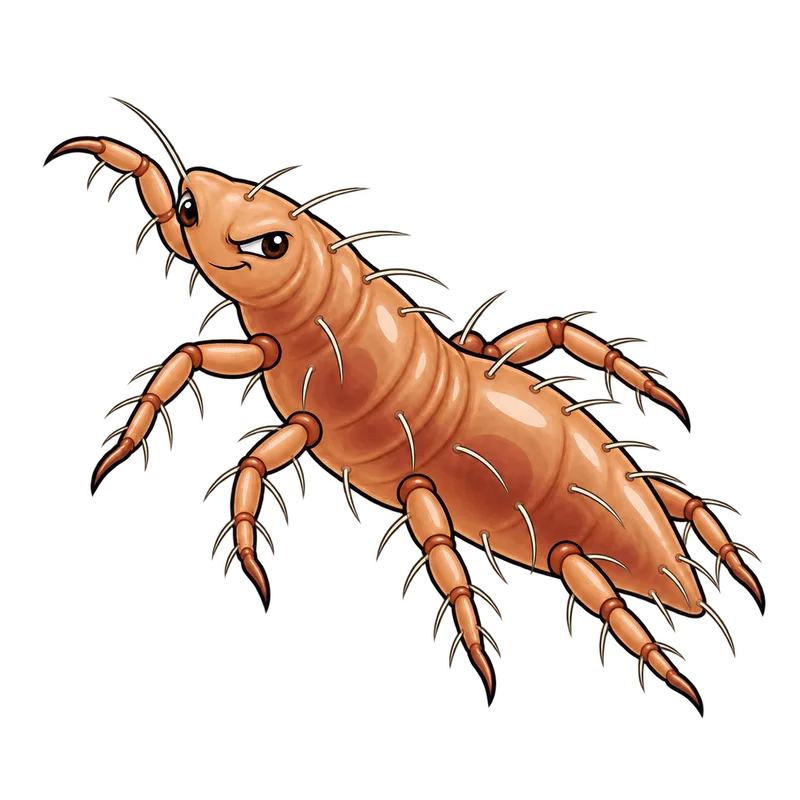
You can tell oak leaf itch mite bites apart from chigger bites by where they land on your body and your recent outdoor activities. Oak leaf itch mite bites typically appear on your upper body and face after you have been near oak trees or autumn leaves. Chigger bites almost always concentrate on your lower body and tight clothing lines like your waistbands and socks.
What is actually going on
Picture this. It is a crisp October Saturday, and you spent the afternoon wrestling with a massive pile of dry pin oak leaves in the yard. Two days later, you wake up itching furiously. You check your arms and neck and find a cluster of angry red bumps, each topped with a tiny, suspicious blister. Naturally, you wonder if you walked through a patch of chiggers while raking, or if something else dropped out of the oak canopy.
The short answer is that location and exposure usually give away the culprit. Oak leaf itch mite bites typically land on your upper body, including your neck, shoulders, chest, and face, often after you have been near oak trees or handling autumn leaves. Chigger bites almost always concentrate on your lower body or wherever clothing squeezes tightly against your skin, such as your ankles, sock lines, waistbands, and groin, usually picked up from low grass and brush.
Both pests are remarkably tiny, measuring roughly zero point two millimeters in length, meaning you will never spot them with the naked eye. Instead, you are reacting to microscopic chemistry. Oak leaf itch mites live inside curled oak leaves, feeding on midge larvae, but when their host populations peak in late summer and autumn, millions of them rain down from the trees. They drift on the wind like invisible dandelion seeds, slipping through window screens or landing right on your collar. Chiggers, by contrast, are the six-legged larval stage of soil-dwelling mites that wait on grass blades, hitching a ride on shoes and crawling upward until clothing stops them.
How to tell for sure
Relying on a visual inspection of a skin mark alone is usually a fool's errand because human immune systems react wildly differently to bug saliva. One person might develop blazing welts while another shows zero reaction to the exact same exposure. Even so, the pattern and timing offer strong clues.
Oak leaf itch mite bites usually show up ten to sixteen hours after exposure as raised red bumps topped with a distinct, centralized pimple-like blister. Because these mites drift on the wind or drop from overhead branches, the resulting bites usually target exposed skin on the upper torso, face, arms, and neck.
Chigger bites take roughly ten to twenty hours to begin their particular brand of misery, showing up as intensely itchy red bumps or hard welts surrounded by localized swelling. If the itchy spots form a neat, frustrating line right along your sock line, under your watchband, or around your belt, you are almost certainly looking at chiggers rather than anything that dropped out of an oak tree.
You will almost certainly run into that persistent old myth claiming chiggers burrow under your skin to live inside the bite. That is completely false. Chiggers attach externally to a hair follicle or a skin pore, inject digestive enzymes to liquefy skin cells for food, and then drop off after a day or two. Your skin swells up around the tiny feeding tube they create, which gives the deceptive optical illusion that an insect is buried inside you.
What usually comes next
Once the itching begins, your most important job is deciding how to manage your yard and your skin without wasting money on useless quick fixes. If you suspect oak mites, fight the urge to drench your mature oak trees with over-the-counter garden insecticides. Chemical sprays cannot reach the mites because they sit tucked away inside curled leaf edges, called galls, which serve as tiny natural bunkers against liquid treatments.
If you have to rake leaves or prune branches around oak trees during the late summer and fall, putting on a hat and long sleeves is a sensible first step, but remember that standard insect repellents like DEET are hit-or-miss against oak leaf itch mites, even if they work well against chiggers. Your most reliable defense is walking straight into the house after yard work, stripping off your outdoor clothes, and taking a warm, soapy shower to scrub the tiny hitchhikers away before they start feeding.
For the bites you already have, standard soothing treatments like calamine lotion or mild hydrocortisone cream can help tamp down the worst of the localized inflammation. An over-the-counter oral antihistamine taken before bed can keep you from scratching yourself raw in your sleep. Skip the classic home remedies like slathering nail polish, bleach, or alcohol over chigger bites, since suffocating a bug that is not even there will only chemically burn your already irritated skin and invite an infection.
When to get help
Most of these bites calm down on their own within a week or two, but relentless scratching easily tears the skin and lets in bacteria from your fingernails, which can turn into secondary bacterial infections like impetigo or cellulitis. If you notice expanding redness, oozing pus, red streaks spreading out from a bite, or if you develop a fever, make an appointment with your doctor or head to an urgent care clinic without waiting around.
Anyone dealing with a severe allergic reaction, difficulty breathing, or a sudden, widespread rash across large parts of their body needs prompt medical attention. If you ever suspect a systemic toxic reaction or an accidental run-in with heavy yard chemicals, call your local poison control center or seek emergency care immediately. Finally, if you cannot tell whether your indoor biting problem stems from oak mites drifting through screens or an infestation of bird mites linked to nesting rodents in your attic, bring in a licensed pest control professional to inspect the house properly.