
Why are oak leaf itch mites associated with cicadas?
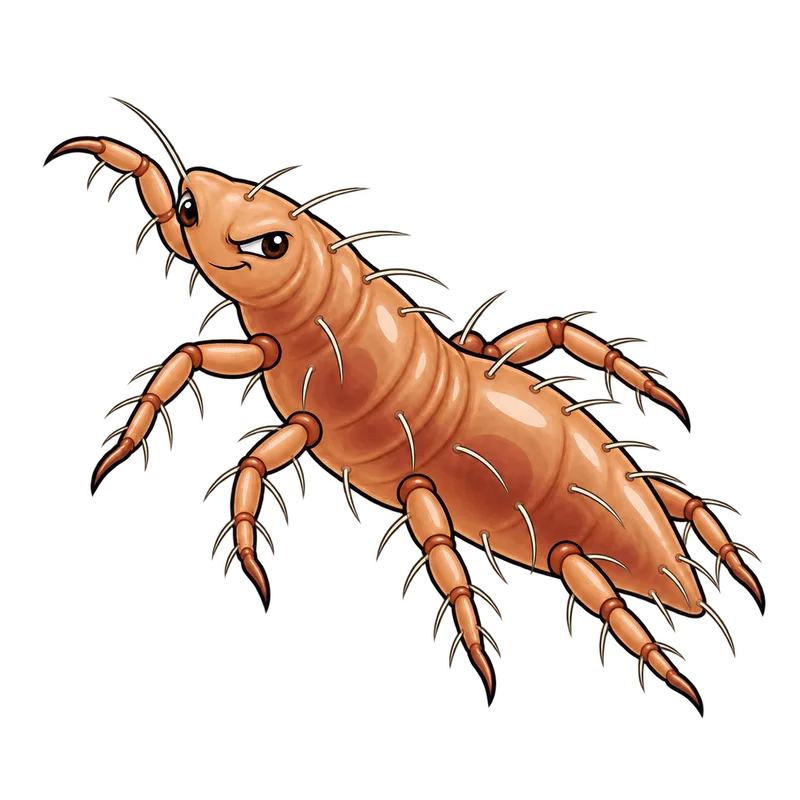
Oak leaf itch mites are associated with cicadas because massive periodic insect emergences act as a food supply that triggers an explosion in the mite population. Female mites feed on developing cicada eggs in tree twigs, which allows them to produce up to 300 offspring that mature inside about 7 days.
What is actually going on
Picture a pleasant Saturday afternoon in late summer. You spend an hour or two trimming stray branches and clearing fallen leaves beneath the large shade trees in your yard, feeling completely fine the entire time. By Sunday morning, however, your neck, shoulders, and chest are covered in intensely itchy red bumps. You naturally suspect something in the yard got you, but it seems impossible given that you never felt a thing while working outside.
The oak leaf itch mite is linked to cicadas because those massive periodic insect emergences act as an all-you-can-eat buffet that triggers an explosion in the mite population. Despite its common name, this microscopic creature is not an oak-eating specialist at all. It is a generalist predator that feeds on soft-bodied insect eggs and larvae across many different settings. When a massive brood of periodical cicadas emerges in late spring, female cicadas carve deep slits into terminal tree twigs to deposit millions of eggs.
These twig egg clusters provide an unexploited, highly concentrated food supply right up in the tree canopy. Mated female itch mites find these egg nests and inject a paralyzing neurotoxin into the developing cicada eggs or larvae. Once the prey is immobilized, the female feeds on its body fluids and undergoes a dramatic physical transformation. Her abdomen swells into a large, spherical pouch that acts as an internal nursery, producing up to 300 offspring that mature entirely inside her body within about 7 days.
Because a single generation develops so rapidly, the mite population multiplies exponentially through the mid-to-summer months whenever host egg nests remain abundant. By late summer and autumn, those millions of newly emerged mites run out of cicada eggs to feed on. They begin migrating outward onto tree bark and leaves, where they drop or drift on the wind in massive numbers, sometimes reaching hundreds of thousands of mites per tree each day. When those drifting mites land on humans walking underneath, they attempt to feed and deliver the salivary secretions that cause that delayed skin reaction.
How to tell for sure
Pinpointing the exact culprit usually requires looking at where the bites appear and considering what you were doing the day before. Itch mite bites typically show up on the upper body, such as the neck, chest, arms, and face, because these microscopic mites usually drop or drift down from tree canopies above.
This creates a distinct contrast with pests like chiggers, which usually attack areas where clothing fits tightly against the skin, such as waistbands, sock lines, and undergarment elastic. If your bites are clustered around your neck and shoulders after spending time under shade trees, itch mites are usually a strong suspect.
You might wonder if you can simply catch one of the bugs and check it under a magnifying glass, but at roughly one-hundred-and-twenty-fifth of an inch long, these mites are practically invisible to the naked eye. Relying on the shape of a bite or a photograph of a red welt to make a definitive identification is usually unreliable because skin reactions vary widely from person to person. When absolute verification is necessary, a specialist must examine physical specimens collected using clear sticky tape under a laboratory microscope.
What usually comes next
Stopping an outbreak begins with simple habits that reduce how often you cross paths with that invisible shower of mites falling from overhead branches. When you live through a heavy surge fueled by a recent cicada boom, try to spend less time sitting or gardening directly under large shade trees once late summer rolls around.
Whenever outdoor chores require you to work beneath those trees, put on long sleeves, long pants, and gloves, then head straight for the shower and the washing machine the moment you step back inside. Throwing your clothes into a hot water wash followed by high heat in the dryer typically finishes off any stray mites before they can bite.
It also pays to leave the leaf blower in the shed during peak mite season, because kicking up dry debris just launches those microscopic attackers right back into the breathing zone and onto your skin. Standard insect sprays with DEET do not offer reliable protection against them, which means physical barriers and prompt washing remain your best bets. When the welts start driving you crazy, basic over-the-counter hydrocortisone cream or an oral antihistamine can take the edge off the misery while your skin heals up.
When to get help
Most of these bites clear up on their own within a week or two, but that relentless itch makes scratching hard to resist, which can break the skin and let bacteria in. If the bite areas start looking infected with spreading redness, extra warmth, throbbing pain, pus, or red streaks running outward, you need to talk to a doctor.
Get medical advice as well if the swelling gets worse instead of better or if the rash refuses to calm down after a few days of home treatment. Anyone who runs into severe allergic signs like trouble breathing, hives, or swelling around the face needs emergency medical care right away.
When you need a positive identification for property or community records, skip the guesswork and reach out to your local university extension service or department of agriculture for instructions on collecting samples properly. Leave any major pesticide applications or tree care decisions to a licensed pest control professional or a certified arborist who knows the local rules.