
When are oak leaf itch mites most active?
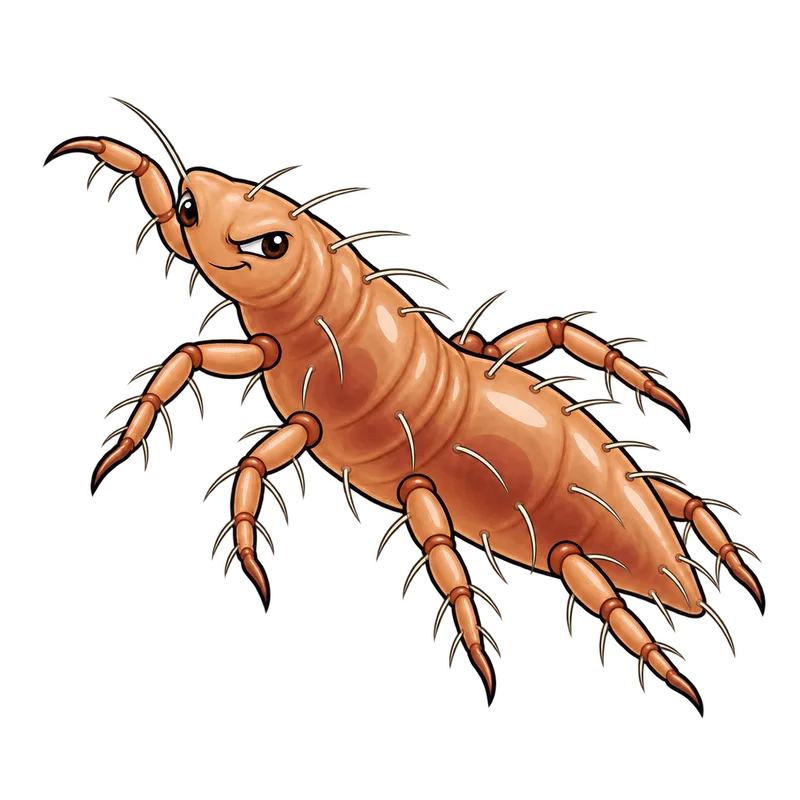
Oak leaf itch mites are most active from late July right through late fall. They hit their peak population density and bite frequency during late summer and autumn, which is when hundreds of thousands of these microscopic critters drop from tree canopies every single day.
What is actually going on
Picture a warm Saturday afternoon in October. You are out in the yard in a short sleeve shirt, happily raking up a thick blanket of crisp pin oak leaves. Everything feels fine while you work, but by two o'clock the next morning, you wake up clawing at a furious itch across your neck, shoulders, and arms. You start wondering what got into you during your yard work.
The culprits behind this surprise are oak leaf itch mites, and they are most active from late July right through late fall. They hit their peak population density and bite frequency during late summer and autumn. That is when hundreds of thousands of these microscopic critters drop from tree canopies every single day or catch a ride on wind currents and land right on anyone working or relaxing beneath infested trees.
How do their numbers explode so quickly? The whole cycle starts inside tiny tubular growths called galls that form on pin oak leaves earlier in the year. The mites feed on midge larvae tucked safely inside those leaves. While the midge host reproduces just once a year, the mites complete an entire generation in as little as seven days. A single female feeds on a paralyzed larva and swells up to produce between two hundred and three hundred offspring.
By autumn, researchers estimate that a single large pin oak tree can shed hundreds of thousands of mites every day. Because an adult mite measures only about zero point two millimeters, you cannot see them dropping through the air like invisible rain. They land on your skin, hitch a ride on pets, or even blow right through window screens on a breezy afternoon.
How to tell for sure
You cannot reliably identify oak leaf itch mites with the naked eye because they are roughly the size of a dust particle. To see their basic shape and four pairs of legs, you usually need a hand lens of at least ten times magnification or a microscope.
Since looking at the bugs themselves is usually out of the question, you have to look at the timing and the bite pattern instead. Bites usually show up as raised red welts or papules topped with a tiny central blister. One of the strangest clues is the delay. Unlike a mosquito bite that starts itching immediately, these bites usually do not show symptoms until ten to sixteen hours after exposure, which is why you never feel the actual bite happening.
Where those bites land on your skin is usually a dead giveaway. Oak leaf itch mites tend to target the upper half of your body, meaning your neck, shoulders, chest, arms, and face, simply because that is where they fall from overhead or crawl under an open collar. If you find itchy bumps clustered tightly around your waistline or sock line instead, you are probably dealing with chiggers rather than itch mites.
What usually comes next
When autumn arrives and the pin oak leaves start piling up, your best defense is changing how you handle weekend yard work. Try to avoid lingering directly underneath pin oak trees that show leaf curling during those peak months from August through November. If you have to rake leaves, skip the leaf blower entirely. Power blowers act like giant dispersion machines, blasting dry foliage and sending thousands of airborne mites straight into the breathing zone around you.
Instead, wear long sleeves, long pants, and sturdy work gloves when you clean up the yard. Tucking your shirt cuffs into your gloves stops crawling mites from finding bare skin. Once you finish working outside, strip off your clothes and wash them immediately in hot water, then jump straight into a warm, soapy shower to wash away any unattached mites before they have a chance to bite.
Keep your windows closed on windy autumn days if you have pin oak trees standing close to your house. If you have dogs or cats that spend time outside rolling in the leaves, wipe them down before letting them back inside your living space.
When to get help
Most bites cause intense itching and uncomfortable papules that clear up on their own, but scratching them hard enough to break the skin can introduce bacteria and cause a secondary infection. In rare cases where someone receives a hundred or more bites at once, systemic illness can happen and may require medical observation.
If you develop severe swelling, spreading redness, pus, fever, or an extreme reaction, you should talk to a clinician, visit an urgent care clinic, or contact your regional poison control center right away. When you cannot figure out the source of mysterious bites inside your home, gather specimens using clear sticky tape pressed against your skin or surfaces and submit them to a university cooperative extension diagnostic lab or a licensed pest management professional for proper identification.