
Dust mite allergy vs a biting-insect problem: what is different?
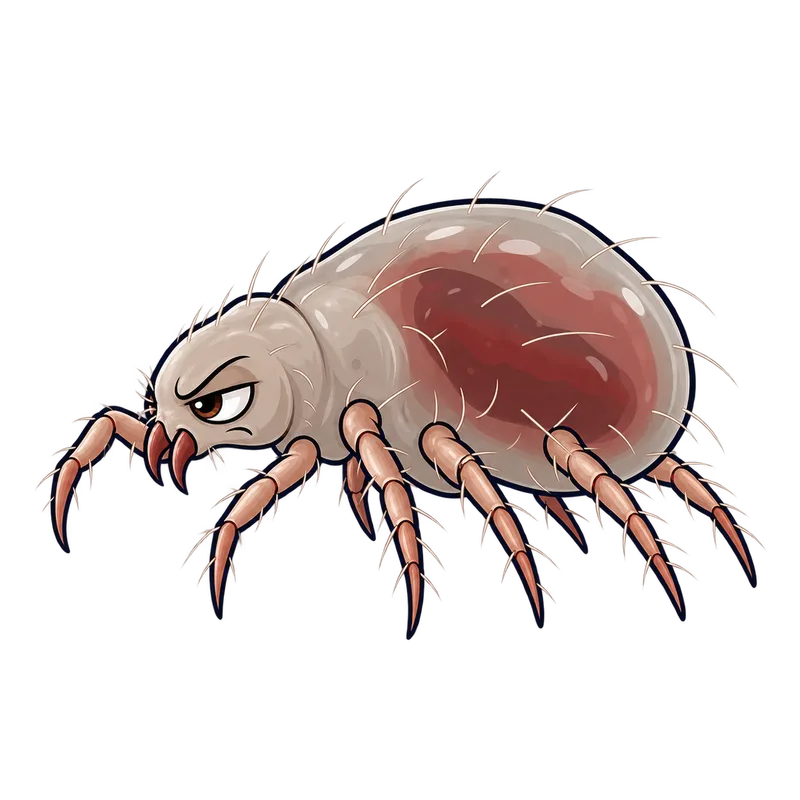
House dust mites are microscopic arachnids that never bite, causing misery instead through allergic reactions to their discarded body fragments and fecal pellets. Biting insects actively hunt humans for blood meals using specialized mouthparts that puncture the skin and leave physical wounds behind.
What is actually going on
Imagine waking up with a row of itchy red bumps on your arm or a relentless morning sneeze that makes you feel like you are carrying a permanent head cold. Naturally, your mind jumps to the worst possible scenarios. You start wondering if you have an infestation of biting bugs in your mattress or if your house is suddenly crawling with invisible pests. People often lump every skin irritation and respiratory woe into one giant category of creepy-crawlies, but the reality inside your bedding and walls is split into two entirely different worlds.
The first thing to clear up is that dust mites and biting insects have almost nothing in common regarding how they interact with your body. House dust mites are microscopic arachnids that measure less than half a millimeter. They do not have mouthparts designed for piercing skin, they do not drink blood, and they never bite anyone. Instead, they live quietly in your mattress, carpets, and upholstered furniture, feeding on the microscopic human skin flakes we shed every day. The misery they cause comes down to an allergy. When you breathe in or touch their discarded body fragments and fecal pellets, your immune system overreacts to the proteins inside them, triggering asthma, a runny nose, or eczema.
On the flip side, biting pests like bed bugs, fleas, bird mites, and ticks actively feed on blood. These creatures possess specialized mouthparts that puncture your skin. When they feed, they inject saliva containing anticoagulants and enzymes to keep your blood flowing smoothly. Your body reacts to these foreign proteins with localized inflammation, red wheals, and intense itching. While dust mites make you miserable through passive inhalation of microscopic waste, biting insects actively hunt you down for a meal and leave physical puncture wounds behind.
How to tell for sure
Figuring out which of these problems you are dealing with usually starts with a hard look at the physical evidence, though you will often need more than your bare eyes. Dust mites are completely invisible without a compound microscope, so if you are trying to confirm them in household dust, you are looking at specialized lab work rather than a bedroom inspection. Biting insects, however, range in size. An adult bed bug is about the size of an apple seed and clearly visible to the naked eye, while tiny bird mites look like moving pinpricks that require a magnifying lens to identify properly.
A common trap is trying to diagnose the culprit based on the skin reaction alone. Medical professionals and pest experts will tell you that skin lesions and bite marks cannot reliably identify a specific pest. Two people can sleep in the same bed, get bitten by the exact same insect, and have entirely different reactions. One person might develop angry red welts within minutes, another might show delayed bumps days later, and a third might show zero reaction at all. To make matters more confusing, a dust mite allergy can cause skin rashes like atopic dermatitis that mimic insect bites to the untrained eye.
Pinning down the exact culprit usually demands that you find an actual physical specimen. If you suspect bed bugs, you check mattress seams and headboards for the insects themselves, cast-off skins, or dark ink-like fecal spots. If you suspect bird or rodent mites, the source is usually an abandoned nest in an attic or wall void rather than the bed itself. Whenever you are dealing with similar-looking pests, telling them apart usually requires a stereoscope or professional assistance. If you do not have a physical bug, a shed skin, or verified droppings, you do not yet have an identification.
What usually comes next
Once you separate an allergy from a bite problem, your next practical decision revolves entirely around how you treat the environment. If you are dealing with dust mite allergies, spraying insecticides around your bedroom is a waste of time and money because there are no bugs to kill. Your focus has to shift toward allergen abatement. This means dropping your indoor humidity, encasing your mattress and pillows in specialized zip-up barrier covers, washing your bedding weekly in hot water, and replacing wall-to-wall carpets with hard flooring where possible.
If you confirm a biting pest, the strategy changes completely. You cannot vacuum your way out of a bed bug or bird mite problem without addressing the source. For bed bugs, you need targeted physical inspections, interceptor traps under bed legs, and careful laundering, while avoiding total-release foggers that only scatter the bugs deeper into your walls. If the bites are coming from bird or rodent mites, treating the living room will do nothing until you remove the animal nest and seal the entry points that let the critters inside. Matching your actions to the actual mechanism is what separates a permanent fix from endless frustration.
When to get help
Some situations move past the realm of do-it-yourself home remedies and require outside intervention. If you or someone in your home experiences signs of a severe allergic reaction, such as facial swelling, trouble breathing, or widespread hives following a bite, seek emergency medical care immediately. You should also consult a clinician if bite wounds show signs of a secondary bacterial infection, such as pus, expanding redness, or red streaks, or if you develop a systemic fever and joint aches after a tick or mite exposure.
Regarding the structure itself, bringing in a professional makes sense for complex or stubborn infestations. Licensed pest control operators have the tools and training to execute whole-structure treatments or apply specific non-repellent chemistries that over-the-counter products cannot match. If your biting problem stems from wildlife like roosting bats or nesting migratory birds in your attic, local and federal laws often protect those animals. In those cases, you will need a licensed wildlife control specialist to handle the exclusion legally and safely once the young have fledged.