
What do rat mites suggest after a rodent problem?
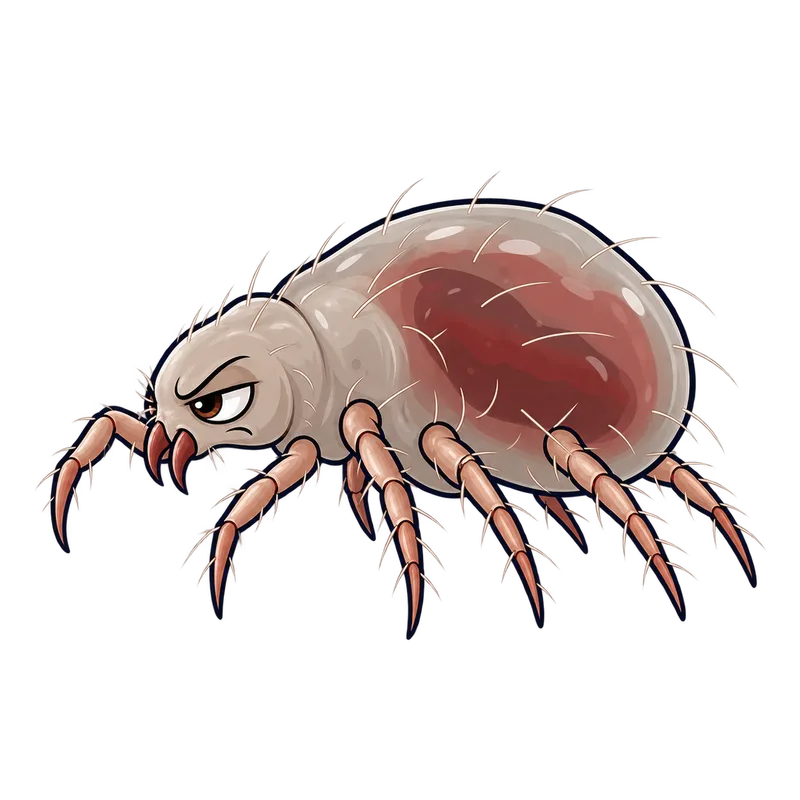
Rat mites suggest that a rodent population was recently active in your walls, subfloors, or attic before being trapped, poisoned, or driven away. Because these parasites rely on rodent blood, the loss of their primary food source forces them to migrate through wall gaps and electrical outlets into your living quarters to find a meal.
What is actually going on
Picture walking into the kitchen for your morning coffee and noticing a tiny, almost invisible speck crawling across the white baseboard. You lean closer, and it moves again. If you have recently dealt with a scratching noise in the ceiling or set traps behind the refrigerator, that little traveler is not a stray bed bug or a speck of dirt. It is a rat mite, and its presence tells a very specific story about what just happened in your house.
Rat mites do not show up uninvited for no reason. Their appearance means a rodent population was recently active in your walls, subfloors, or attic, and those animals have now been trapped, poisoned, or driven away. Rodent mites are obligate parasites, meaning they need rodent blood to survive and reproduce. When the rats or mice vanish, their primary food source disappears overnight. The pantry is suddenly bare, so to speak. Driven by hunger and the loss of their host, adult and nymphal mites abandon the cooling carcasses and abandoned nests tucked inside your structural voids.
From there, they begin a desperate migration. They crawl through utility pipe chases, electrical outlets, and wall gaps, following heat sources like hot water pipes and radiators until they spill out into your living quarters looking for a blood meal. It helps to think of them like someone wandering down an unfamiliar street after their local grocery store closes permanently, knocking on any door just to find something to eat.
You might wonder why they are biting you if they prefer rodents. Humans are accidental, dead-end hosts for these parasites. Trying to run a rat mite's life cycle on human blood is a bit like trying to run a diesel engine on lemonade. They can bite you to stave off immediate starvation, but they cannot reproduce or sustain a permanent population on you. Even so, individual mites can survive for up to two weeks without a proper host, meaning opportunistic biting can persist for days after the rodents are gone unless you tackle the root cause.
How to tell for sure
Identifying rat mites usually starts with scale and context. To the naked eye, they look like moving grains of pepper or fine salt, measuring about a thirty-second of an inch long. Unfed mites are pale or translucent, making them nearly invisible against light paint, while engorged ones turn dark red or brown after feeding.
You usually cannot identify these pests by looking at the bites alone. Skin reactions vary wildly from person to person. Some people develop intense papular dermatitis with red bumps and severe itching, while others show no reaction at all. Because these skin marks look identical to bites from bird mites, fleas, or bed bugs, skin photos are useless for a reliable diagnosis.
To get a clearer look at home, you can press a piece of clear sticky tape gently over a crawling specimen on a baseboard and then press the tape down onto a clean white paper. A magnifying hand lens usually lets you confirm you are looking at an eight-legged arachnid rather than a six-legged insect, but pinning down the exact species requires a specialist with a high-power microscope. That professional identification usually matters because mixing up rat mites with bird mites changes where you need to look for the source.
What usually comes next
Once you realize the bites are coming from starving mites left behind by departed rodents, you need a structured plan rather than an indiscriminate spray of aerosol bug bombs in the living room. Space foggers only kill what is out in the open, leaving the real reservoirs untouched inside wall cavities.
The practical path forward relies on a coordinated pest management approach that tackles four distinct fronts in order. First, collect a few specimens on tape or in a sealed container so you know what you are dealing with. Second, find and remove the source. This means locating the old nesting sites in attics or crawl spaces and safely bagging up dead rodent carcasses and nesting material. Third, apply a label-approved residual insecticide to the cracks, crevices, baseboards, and pipe chases where the mites are traveling. Fourth, seal up entry points with mesh and sealant so new rodents cannot move in to replace the old ones.
If you are using a vacuum to clean up crawling mites along baseboards, remember to empty the bag or canister immediately, seal it in plastic, and place it in the freezer overnight so the trapped mites cannot crawl right back out into your rooms.
When to get help
There are moments when handling this yourself stops being practical and you need outside help. If you have dead rodents trapped inside sealed, inaccessible wall voids where you cannot physically reach the carcasses, you will need a licensed pest control operator to inject dust formulations into the cavities and establish proper residual barriers.
On the health side, the intense itching from rat mite bites often leads to excessive scratching, which opens the door to secondary bacterial skin infections. If your skin reactions become severe, or if you develop an unexplained fever or unusual skin lesions after dealing with a mouse infestation, you should consult a healthcare provider or dermatologist right away. While tropical rat mites do not vector human pathogens in most regions, house mouse mites can occasionally transmit rickettsialpox, making medical evaluation the safest choice whenever persistent biting follows a mouse removal effort.