
Can opossums get rabies?
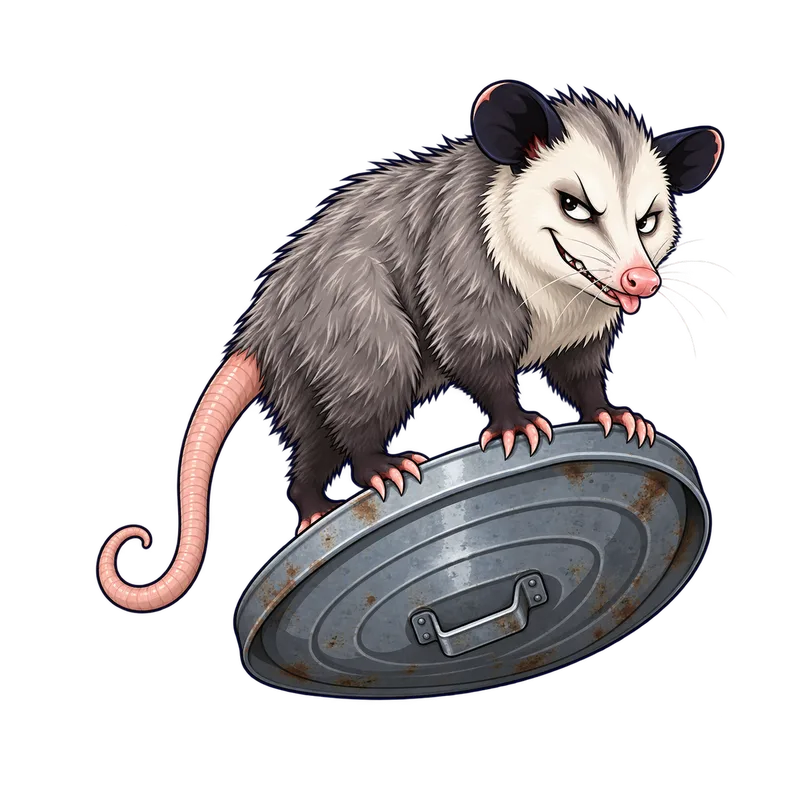
No, the common opossum almost never gets rabies because its cooler body temperature and slow metabolic rate create an environment where the virus simply stalls out. While they are technically mammals, public health surveillance shows they represent a tiny fraction of all reported wildlife cases.
What is actually going on
Picture stepping out onto the back porch to bring in the empty pet bowl after dusk, only to find a cat-sized animal hissing with its mouth wide open, baring a terrifying row of teeth and drooling heavily onto the concrete. It is easy to back away slowly, heart pounding, convinced you have just crossed paths with a rabid creature.
The short answer is no, you almost never have to worry about rabies with an opossum. While they are technically mammals and can theoretically catch the virus, they are extraordinarily resistant to it. Public health surveillance shows they represent a tiny fraction of all reported wildlife rabies cases, making them practically a non-factor compared to bats, raccoons, skunks, and foxes.
Why are they so immune? It comes down to basic biology and a built-in temperature handicap. The core body temperature of the common opossum usually hovers significantly lower than most other mammals. That cooler internal environment, paired with a slow metabolic rate, creates a hostile setting that stops the rabies virus from replicating and traveling along the nervous system.
Think of it like an engine that refuses to start in freezing weather. While warm-blooded reservoir species run hot enough for the virus to multiply quickly and take over, the opossum physiology acts like a cold engine where the virus simply stalls out.
How to tell for sure
When an opossum gets cornered near a garbage can or under a deck, it puts on a theatrical performance that mimics a severe neurological illness. The hissing, the gaping jaw showing dozens of sharp teeth, and the profuse drooling are usually just extreme stress responses. If you wait a few minutes, the animal might even collapse into a catatonic, glazed-eyed faint, which is the famous playing possum trick designed to convince predators it is already dead and rotten.
You can usually tell you are dealing with an ordinary, non-rabid visitor by looking at the physical evidence left behind in the yard. Opossum tracks show five toes on both front and hind feet, with the hind print featuring a distinct, thumb-like inner toe that sticks out sideways without a claw mark. Their droppings are typically single tubular packages with tapered or blunt ends, often packed with a messy mix of insect shells, fruit seeds, or small bits of fur.
Do not rely on online myths about them cleaning up your yard, either. You might have heard that a single opossum vacuums up thousands of ticks every week, but field research has debunked that idea. Stomach content studies of wild opossums show they rarely touch ticks in nature, and leaving out food to attract them usually just ends up drawing raccoons, skunks, and rodents closer to your house.
What usually comes next
When an opossum decides to move in under your back porch or garden shed, the smartest first move is cutting off the free lunch and blocking the door. Bring the pet bowls inside as soon as dinner is finished, lock your household trash in sturdy bins, and rake up any fruit that has dropped from the trees.
If the animal is already holed up beneath a structure, you can use a one-way exclusion door instead of getting into a fight. Set up a lightweight flap over the main entry point so the animal can push its way out to find food at night, but cannot push back inside when morning rolls around. Wait a few days of clear weather to make sure it has cleared out and found a new home in the woods, then patch the opening for good with heavy galvanized hardware cloth.
When you need to bury that wire mesh to keep other critters from digging underneath, trench it a couple of inches down and bend the bottom edge outward like a little underground shelf. Never pick an opossum up by its tail, since that can hurt the animal and practically guarantee you get a defensive bite. If you ever have to handle a trapped animal, always support its lower body and the scruff of its neck.
When to get help
Whenever a person or a family pet gets bitten or scratched by an opossum, you have to leave ordinary home remedies behind and talk to professionals. Wash the broken skin right away with warm water and plain soap for several minutes, then call a doctor, urgent care clinic, or your local public health department to figure out what medical steps are needed next.
You should also bring in a professional wildlife control operator or local animal control officer if you are dealing with a stubborn animal inside an attic, an elevated chimney, or a complicated crawl space. Trying to evict wildlife from tight structural spaces without the right gear usually ends up with trapped animals dying in the walls or costly damage to your home. Let the local agencies handle the permits, the structural exclusions, and the health assessments whenever the situation moves past a simple visitor poking around the yard.