
Possum vs opossum: what is the difference?
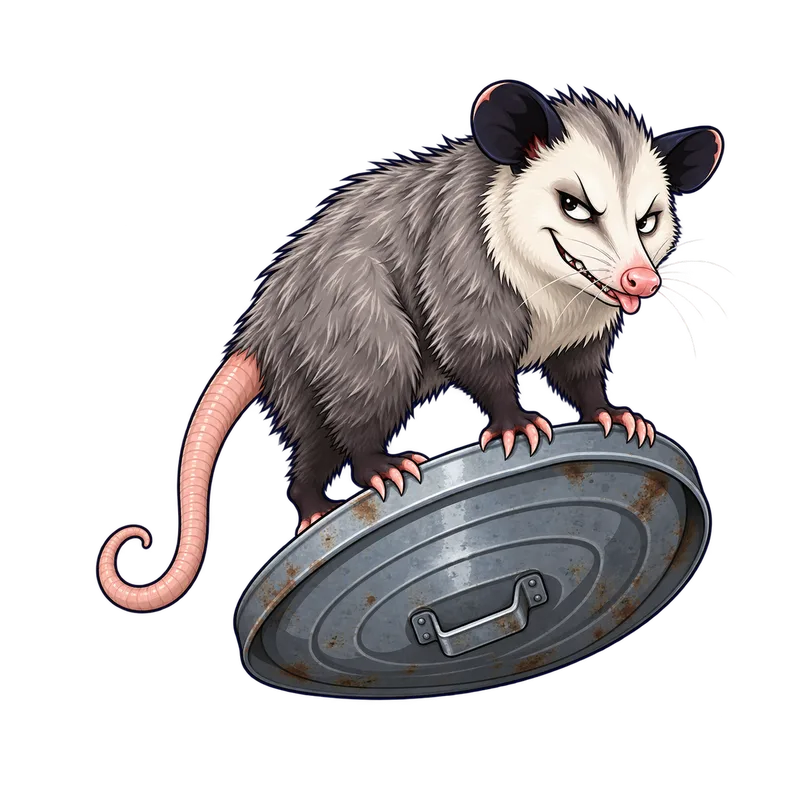
In North America, a possum and a Virginia opossum are the exact same animal, because dropping the initial o is just a local habit. If you travel to Australia or New Zealand, however, a possum means a completely separate tree dwelling marsupial that has nothing to do with North American backyard visitors.
What is actually going on
Picture yourself walking out to the back patio on a quiet Tuesday evening to bring in the dog's food bowl, and instead of your own pet, you catch the glowing eyes of a solitary, cat-sized creature with a pointed snout and a naked tail rummaging through the kibble. Naturally, you might wonder what you are looking at and whether people calling it a possum or an opossum are using two different names for the same nocturnal visitor.
In North America, the short answer is that people are talking about the exact same animal, which is the Virginia opossum, North America's only native marsupial. While "opossum" is the formal name you will find in wildlife handbooks and university extension guides, dropping the initial "o" in everyday speech is just a local habit.
If you travel to Australia or New Zealand, however, the word possum means something entirely different. Down under, a possum refers to distinct, tree-dwelling marsupials that belong to a completely separate biological family and have nothing to do with the creatures scuttling around suburban American backyards.
So why does the confusion persist across the country? Because language is stubborn, and shorthand usually wins over formal taxonomy when someone spots an animal scurrying along the top of a wooden fence in the dark.
How to tell for sure
Before you start sealing up gaps under your deck or changing your evening routine, you need to confirm what is actually visiting your yard. Guessing based on a vague shadow or a tipped-over trash can usually leads to wasted effort.
Track identification usually provides the best physical proof in mud, snow, or loose garden soil. An opossum leaves a five-toed impression on both its front and rear feet, which immediately separates it from common neighborhood rodents like mice or squirrels that only show four toes on their front paws.
The rear footprint is especially distinct because it features a clawless, opposable inner toe that points sideways or backward, looking remarkably like a human thumb. Front footprints display a wide, star-like spread with visible claw marks.
You can also look closely at any droppings left behind, though diet changes their appearance drastically. Opossum scat is typically tubular and variable in shape, often containing undigested berry skins, insect wings, or seed fragments. Always approach animal droppings with caution, wear disposable gloves and an N95 mask, and use a tool rather than bare hands because wild animal waste can harbor stubborn parasites.
What usually comes next
Once you confirm you are looking at a local opossum instead of an Australian marsupial, you have to decide what to do about it. The best strategy depends on cleaning up the yard and blocking access, rather than panicking or trying unproven shortcuts.
Opossums are simply opportunists looking for an easy meal and a dry place to sleep. Bringing pet bowls inside before dark and keeping your household trash locked up tight takes away their main invitation. Raking up fallen fruit from backyard trees every day also stops the free buffet before word gets out.
If you think an animal has set up camp under your deck, porch, or garden shed, you have to verify whether the space is currently occupied before you block the way out. An easy trick is to wad up some newspaper and stuff it loosely in the opening, or lay a few lightweight sticks across the gap, and leave them alone for at least three days of dry weather. If the paper or sticks have not moved, nobody is home.
You can then block the opening for good using sturdy wire mesh or wood panels that go six inches down into the dirt with a outward-facing ledge at the bottom to stop digging. Taking the time to put up solid barriers now saves you from watching another animal move right into the same spot next week. Never use store-bought poisons or old wives' tales, because they break the law, put your house pets at risk, and rarely solve the underlying issue.
When to get help
There are times when a weekend DIY project stops being practical and you need to bring in someone who does this for a living. If you find an animal nesting up in your attic, out on a steep roof, or inside a chimney, trying to get it out yourself invites a nasty fall or a defensive bite.
A licensed wildlife control operator has the right gear, insurance, and experience to handle structural removals safely. This matters a whole lot during the spring and summer breeding season when a female might have babies in her pouch or trailing along behind her inside the building. Professional technicians use specialized equipment like one-way doors and gentle traps to clear out whole families without leaving helpless young behind in the walls.
You also need to act fast if you have any direct physical contact with the animal. Even though opossums rarely carry rabies compared to other wildlife, any bite, scratch, or saliva contact demands immediate care. Scrub the wound well with soap and water right away, and get in touch with a doctor, urgent care clinic, or your local health department for professional advice on what to do next.