
How can you inspect an attic for squirrel entry without sealing animals inside?
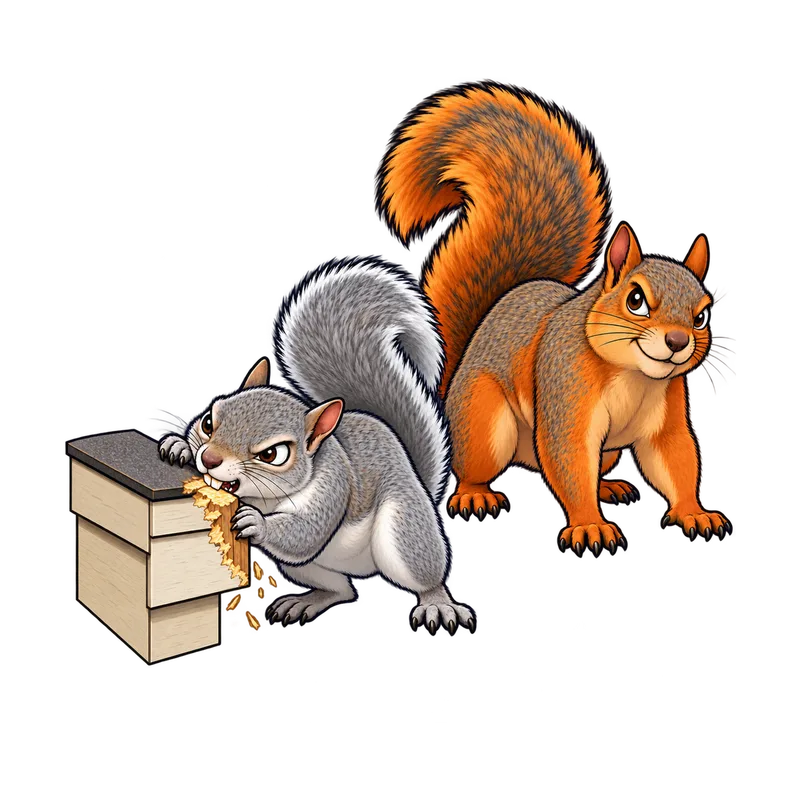
To inspect an attic for squirrel entry without sealing animals inside, you must verify vacancy using non-lethal movement indicators before plugging any holes. You can test for activity by wedging crumpled newspaper loosely into the entry hole or taping light wooden sticks across it, then monitoring that setup for a minimum of three consecutive days.
What is actually going on
Picture yourself sitting in the living room on a quiet Sunday morning. Suddenly, you hear a rhythmic scratching noise directly above your head, as if someone is rolling a bowling ball across the ceiling insulation. Your first instinct is probably to grab a ladder, climb up to the roof, and plug that suspicious little hole in the soffit with whatever scrap wood or expanding foam you have in the garage.
Resist that urge. Sealing a roof gap without checking if an animal is currently out foraging is one of the fastest ways to turn a minor nuisance into a structural emergency. If you lock an adult squirrel outside its nest while it is hunting for acorns, it will spend the entire day chewing furiously through shingles, fascia boards, or vinyl siding to get back to its young. Worse still, if you seal the opening while the animal is sleeping inside, it will claw through your drywall, chew on electrical wiring, or eventually perish behind the wall, leaving you with a profound structural and olfactory problem.
To inspect an attic for squirrel entry without trapping anything inside, you need to verify vacancy using non-lethal movement indicators before you ever reach for a tube of caulk or a piece of sheet metal. You start with a thorough exterior perimeter check during daylight hours, scanning every high point of the roofline where roof intersections, gable vents, and rotting fascia boards meet. Once you locate every potential opening larger than a postage stamp, you leave only the primary suspect hole open and temporarily block all secondary gaps with heavy wire mesh.
The core of the inspection relies on setting up simple, non-resistance movement tests. You wedge a few sheets of crumpled newspaper loosely into the active entry hole, or tape light wooden sticks vertically across the exterior gap. The material must be loose enough that a squirrel can easily push it aside without getting trapped, but delicate enough that you can spot the disturbance immediately.
How to tell for sure
Before you start monitoring those indicators, you usually need to confirm what kind of visitor you are dealing with. Tree squirrels leave distinct physical evidence that separates them from mice, rats, or raccoons. If you look closely at the edges of a chewed wooden soffit or plastic roof vent, you will usually find clean, parallel twin-incisor gouges on the material.
Down on the roof or near the entry point, look for dark fur-rub grease marks where the animal's oily coat brushes against the timber day after day. If you check the attic floor boards or rafters near the perimeter, you can often spot small tubular droppings that measure about four to eight mm long, usually dark brown or black. When you are trying to read tracks in dust or on a smooth board, rodents typically display a bounding two-by-two gait pattern, leaving four-toed impressions on their front feet and five-toed impressions on their hind feet.
The actual testing phase requires patience and good weather. You leave your crumpled newspaper or taped sticks in place, and you can even dust a patch of smooth cardboard or floor space directly inside the entry with a light layer of food-grade flour as a tracking substrate. You then monitor that setup for a minimum of three consecutive days of fair weather.
If you come back after three full days and the newspaper is still wedged tightly in place with the flour undisturbed, the animal has usually departed or is using an alternative route you have not yet found. If the paper is kicked out or the flour shows paw prints, the entry is active, and sealing it right then would trap the occupant inside.
What usually comes next
Once your three-day observation period confirms the animal is out foraging, your next practical decision involves permanent exclusion rather than quick fixes. Simply stuffing a rag into the hole or spraying a commercial repellent will not stop a squirrel that has spent months establishing a nesting site in your roof void.
You want to install heavy galvanized steel mesh, often called hardware cloth, over the opening using screws and washers. Squirrels can chew through plastic screening, expanding foam, and thin aluminum flashing in minutes, but heavy steel mesh stops their incisors cold. If you found multiple potential weak spots along the roofline during your initial perimeter check, cover all of them with the same wire mesh so the animals cannot simply shift their entry point two feet to the left.
If your monitoring indicated that the space was still actively occupied and you cannot wait days for natural departure, you would typically look at installing a rigid one-way exclusion door over the primary exit hole. This device acts like a swing door that lets the animal push its way out to the yard but blocks it from pushing back in when it tries to return at dusk.
When to get help
There are moments when a DIY roof inspection crosses the line into a situation that requires professional gear, specialized labor, or outside intervention. If your roofline is steep, wet, or three stories high, put the ladder away and call a licensed wildlife control operator rather than risking a serious fall.
You also need to pause your inspection if you suspect you are dealing with an active maternity season, which typically occurs during the spring and late summer breeding months. If a female squirrel is nursing unweaned young deep inside a wall void or insulation layer, installing a one-way door or sealing the hole will trap the helpless kits inside, leading to mass mortality and severe structural odor.
Biological hazards in confined spaces demand strict personal protection. Attics accumulate dried urine, feces, and fungal spores that can trigger respiratory issues when disturbed. Whenever you poke your head into a dusty roof void, wear a NIOSH-approved particulate respirator, disposable gloves, and protective eyewear.
If your inspection reveals that raccoons have been sharing or previously inhabited the space, treat the area with extreme caution because of raccoon roundworm, a parasite whose microscopic eggs resist standard household bleach and can cause severe neurological illness if ingested. Finally, if you or anyone in your household suffers an animal bite, scratch, or direct exposure to a suspected rabid animal while investigating the roofline, contact a medical clinician, urgent care facility, or your local public health authority immediately for guidance on post-exposure treatment.